Venezuela grants 100-year rights on 17 fields holding 65 billion barrels
Interim President Delcy Rodríguez confirmed a pact covering 17 fields and a 1.5 million barrel-a-day target. Washington says a private operator gave the US a 35 percent equity stake and first claim on the crude.

Caracas3 min read
Last updated
Venezuela's interim government has granted North American Blue Energy Partners, a privately held operator, 100-year concessions on 17 oil fields that both capitals now describe as holding about 65 billion barrels of recoverable crude. President Donald Trump called the pact the biggest oil deal in world history. Interim President Delcy Rodríguez confirmed it on Venezuelan state television and put a 25-year commercial term on the same fields under the country's hydrocarbons law.
The White House fact sheet released on 31 August fills in the corporate chain. NABEP granted the US Office of Strategic Capital a 35 percent equity stake in its parent company. It also gave the State Department the right to buy 20 percent of offtake from current and future NABEP fields at production cost, a volume the fact sheet says could refill the Strategic Petroleum Reserve, and a right of first refusal on the remaining 80 percent. Secretary of State Marco Rubio and Defense Secretary Pete Hegseth signed for Washington.
Rodríguez's numbers are different in form and similar in scale. She said the project covers 17 strategic fields, targets more than 1.5 million barrels a day, and is meant to draw $100 billion of investment. At a $65 benchmark, she calculated $19 a barrel for Venezuela and $209.3 billion in royalties and taxes over the life she described. She said the resources remain Venezuelan property and that the foreign capital is there to restart an industry broken by sanctions and neglect.
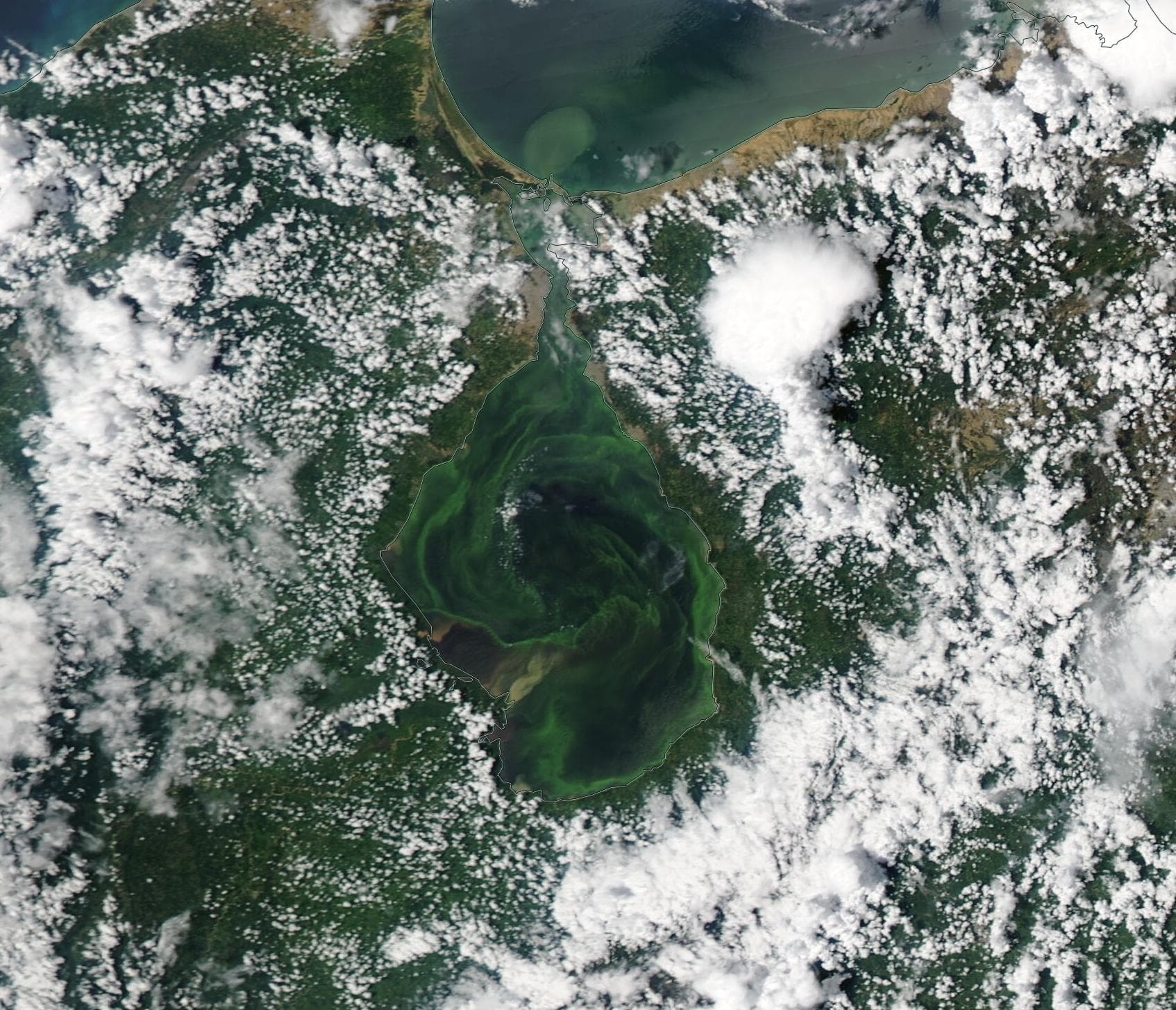
Reuters reported that energy lawyers on both sides have asked to see the contracts. The volume, 65 billion barrels, is larger than the United States' own proved reserves of about 46 billion. A Caracas consultancy, Gas Energy Latin America, put the recoverable figure at 63.7 billion barrels if a 20 percent recovery factor holds on fields that have never produced at that rate. Most of the barrels sit in eight large Orinoco Belt blocks. The rest are around Lake Maracaibo, the older producing province whose wells and pipelines have leaked for years.
The political frame is as important as the geology. The United States captured Nicolás Maduro in January. Rodríguez has run the interim government since. Hard-line chavistas and parts of the Venezuelan opposition have both attacked the terms. Washington presents the deal as a way to push Russian and Chinese equity out of Venezuelan oil and to put cheaper heavy crude into US Gulf Coast refineries built for that grade. Fuel prices in the United States have been climbing with the Iran war and the squeeze on Hormuz.
None of the 1.5 million barrels a day exists yet. Venezuelan output has been a fraction of the 3 million barrels a day the country produced two decades ago. Restarting Orinoco extra-heavy crude needs upgraders, diluent, power and people. Maracaibo needs repaired pipelines before it needs new wells. A 100-year concession does not move oil next quarter. It assigns who is allowed to try.
The immediate market effect is political more than physical. Trump said the deal costs the American taxpayer nothing and will lower petrol prices. That claim depends on NABEP raising private capital, on Venezuelan law holding still, and on the fields producing. Rodríguez needs the royalty stream to fund a government that has lost other sources of hard currency. Both sides have a reason to describe the paper as historic. The next test is whether a single field among the 17 posts a measurable increase in barrels before the BRICS summit in New Delhi in mid-September, or whether the announcement stays an announcement.
China has already said its lawful interests in Venezuela must be protected. That sentence, from Foreign Ministry spokesman Guo Jiakun on 1 September, is the first formal objection from a creditor and oil partner that still holds stakes in the Orinoco. How those older contracts sit beside a 100-year American concession is not spelled out in the White House fact sheet. It will have to be spelled out in Caracas, or the 65 billion barrels will remain a number on two podiums.
Continue reading
 News
NewsKataib Hezbollah tells its fighters to stop, except against aircraft, as US troops leave
Almanaque Digital DeskBaghdad
- News
El Obeid dormitory strike kills at least five; one count has reached ten
Almanaque Digital DeskEl Obeid
- Geopolitics
Four Chinese container ships are due on the Northern Sea Route this month