DR Congo Ebola Cases Pass 5,000 as Outbreak Outpaces Containment
Ministry of Health data put confirmed cases at 5,021 and deaths at 2,378. The virus is spreading three times faster than the 2014-2016 West Africa epidemic.

Bunia1 min read
Last updated
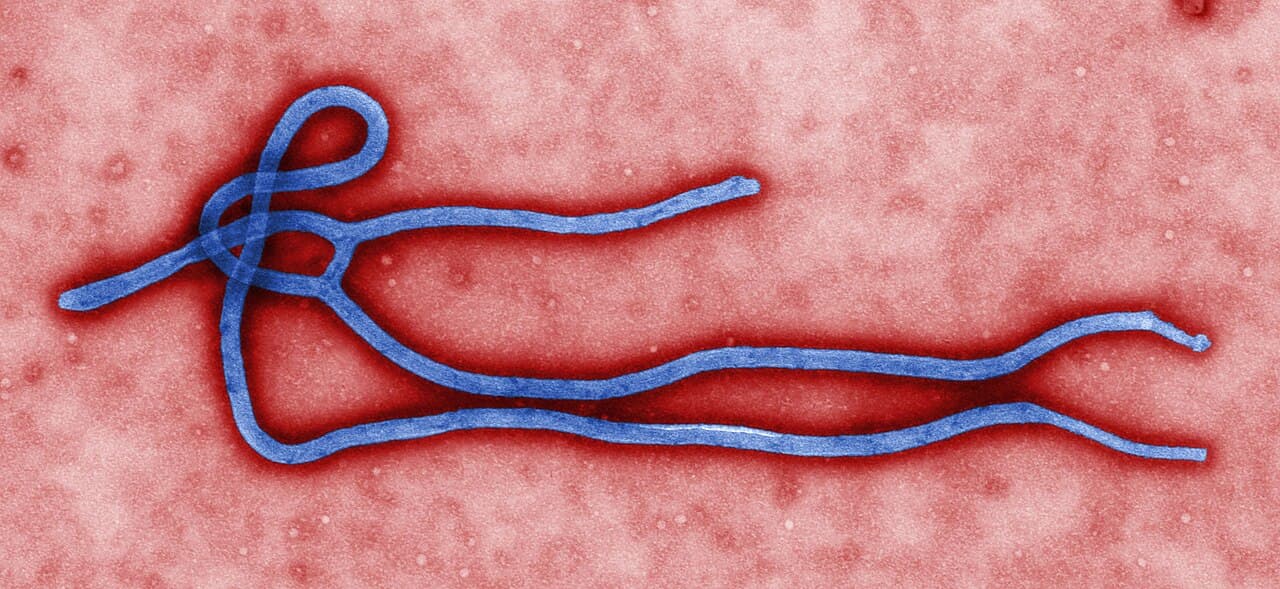
The Ebola outbreak in the Democratic Republic of the Congo has recorded more than 5,000 confirmed cases, government figures showed this week.
Congo’s Ministry of Health reported 5,021 cases and 2,378 deaths as of Sunday. The case fatality ratio has risen to roughly 47 percent. Health workers account for at least 155 of the infections, with 45 of them fatal.
The outbreak, caused by the Bundibugyo strain, was declared on 15 May. It has already become the deadliest Ebola epidemic in the country’s history, surpassing the 2,299 deaths recorded in the 2018-2020 outbreak. Officials say the current wave is also the fastest-spreading Ebola epidemic on record.
From the first confirmed case, the virus has moved about three times faster than the 2014-2016 West Africa outbreak that killed more than 11,000 people across Guinea, Liberia and Sierra Leone. Weekly case counts continue to climb. The most recent reporting week recorded 579 new cases and 304 deaths.
Insecurity and population displacement in eastern provinces, especially Ituri, have hindered the response. Health teams have been attacked by residents in some locations. Access remains limited in several affected territories.
The World Health Organization has warned that the risk of further national and international spread remains high. Director-General Tedros Adhanom Ghebreyesus said the epidemic is far from under control. The agency is preparing to deliver 70,000 doses of a Merck vaccine candidate developed for this strain.
Africa CDC noted that Uganda contained a related Bundibugyo outbreak earlier this year through rapid community-centred measures. The same approach has proved harder to apply in the conflict zones of eastern Congo.
Without a sharp change in trajectory, health agencies estimate the outbreak could eventually exceed the West Africa death toll. The next weeks will show whether the new vaccine doses and intensified contact tracing can reverse the current pace.
Written by