Volkswagen's board backs 50,000 more job cuts and four plants without a future model
The supervisory board in Wolfsburg approved Future Plan 2030 on 4 September. Combined with cuts agreed since late 2024, the group is now heading for about 100,000 fewer posts. Emden, Zwickau, Hanover and Neckarsulm have no competitive allocation after current models end.
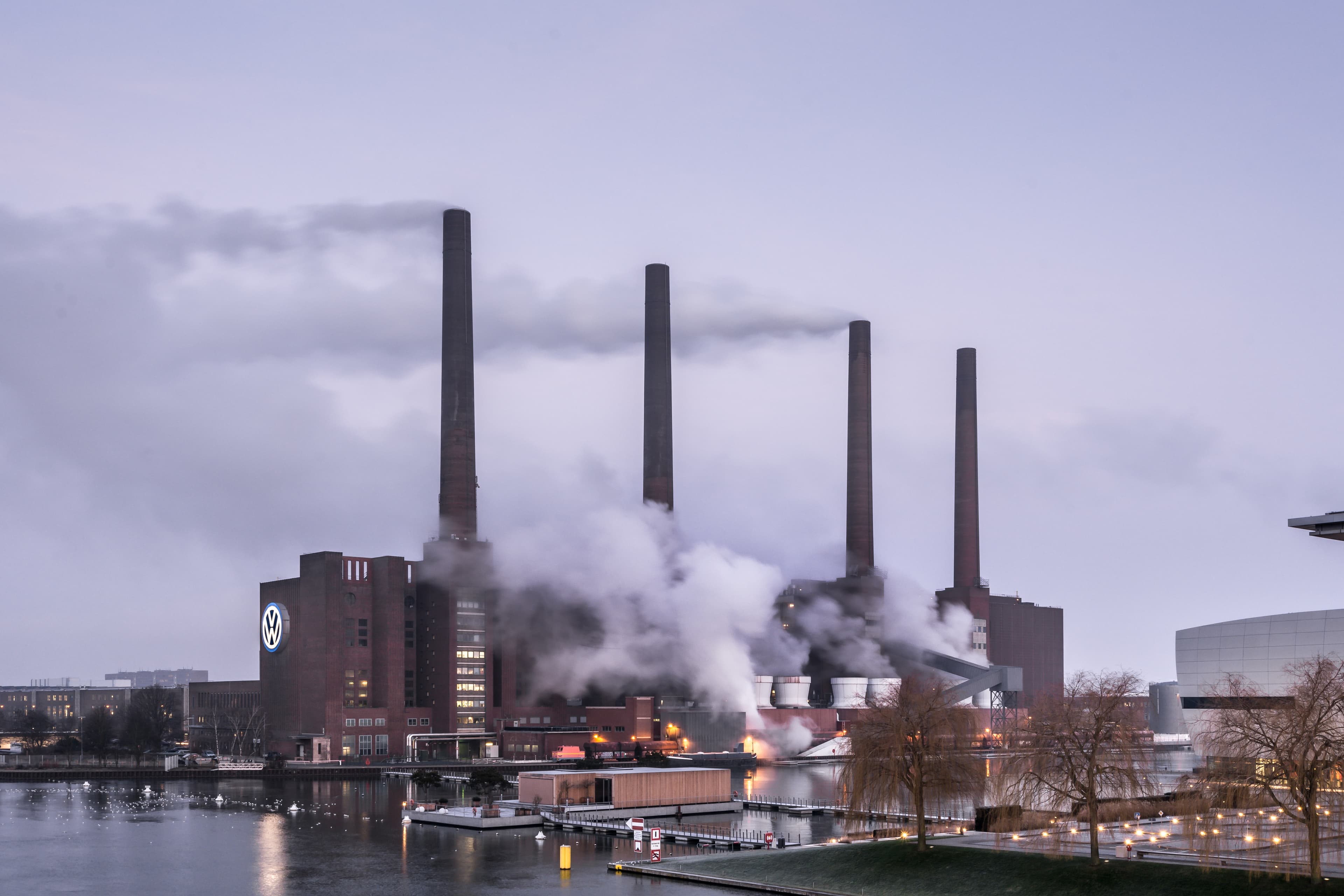

Wolfsburg2 min read
Last updated
Volkswagen's supervisory board on Thursday approved a plan that cuts about 50,000 more jobs, halves the model range over time and leaves four German plants without a competitive production plan once current cars run out.
The package, titled Future Plan 2030, is CEO Oliver Blume's bid to answer cheap Chinese competition, US tariffs and a costly shift to battery cars. "This is a strong signal for the future of Volkswagen Group," he said. The board vote in Wolfsburg was unanimous and came a day earlier than some directors had expected, after weeks of argument with labour members and the state of Lower Saxony, which holds a stake.
Volkswagen said it has about 500,000 vehicles of spare annual capacity in Europe. The four plants named are Emden, Zwickau, Hanover and Audi's Neckarsulm. The company said "a competitive future production allocation cannot be secured" for those sites, though "alternative uses are being assessed." Existing models there are due to phase out between 2031 and 2034. Blume said last month the company "cannot carry that disadvantage indefinitely."
How the headcount adds up
Since late 2024 the group had already agreed to cut about 50,000 jobs by the end of the decade. Agreements are in place for 37,000 of those. Thursday's extra 50,000 would take the total toward 100,000. The new slice is about 8 percent of the worldwide workforce counted at the end of last year. The group employs more than 650,000 people. The adjustment includes management posts. Leadership layers are to be thinned and decision lines shortened.
The model range is to shrink by around 50 percent, which the company says will raise volume per nameplate and cut fixed cost. The financial target attached to the plan is a 9 percent operating margin by 2030 on sales of about 9 million vehicles a year.
What labour won
Works council members, IG Metall and Lower Saxony had resisted plant closures and any weakening of co-determination. The compromise is that no factory is abandoned at once. Site decisions will be worked through in the coming months. Labour leaders said that bargain avoided a "dangerous escalation." It does not put a new car on the Emden or Zwickau line after 2034.
For German industrial policy the four names matter more than the global percentage. Those plants are the map of the electric transition that did not fill the halls. Zwickau was an early EV site. Emden and Hanover sit in the northwest. Neckarsulm is an Audi town. If alternative uses mean batteries, components or a smaller crew, the towns still lose assembly wages. If they mean a dark hall, the loss is larger.
Chinese brands now sell on price in Europe. US tariffs hit the other side of the Atlantic book. Energy costs in Germany remain high. Blume's plan treats those three facts as permanent enough to justify cutting a sixth of the jobs the company had at the start of the decade-long squeeze. The board has given him the mandate. The plants still have cars to build until the early 2030s. After that the allocation list is blank.
Continue reading
 Sports
Olise scores, Bastoni answers, and France draw Italy 1-1 in Zidane's home debut
Almanaque Digital DeskSaint-Denis
- News
Sudan's army says it has taken al-Mazroub, the RSF's main North Kordofan base
Almanaque Digital DeskKhartoum
- News
Lalremsiami's tenth-minute shot gives India hockey gold and an LA 2028 place