US Prepares Economic D-Day Sanctions on Iran as Tehran Threatens Oil Export Halt
Treasury Secretary Scott Bessent is set to announce new sanctions on Monday that the Trump administration calls the greatest financial offensive ever against Iran. Iran’s security chief has warned that support for the measures will be treated as an act of war and that no oil will leave the Persian Gulf if the pressure continues.

Washington / Tehran2 min read
Last updated
The United States is preparing to roll out a new package of sanctions against Iran on Monday that President Donald Trump and Treasury Secretary Scott Bessent have described as an economic D-Day.
Bessent is scheduled to detail the measures at a press conference. In an opinion piece published in the Financial Times, he wrote that the offensive would be the single greatest financial operation ever marshalled against an adversary. The package is designed to isolate Iran further by targeting its trading partners and cutting off remaining commercial links.
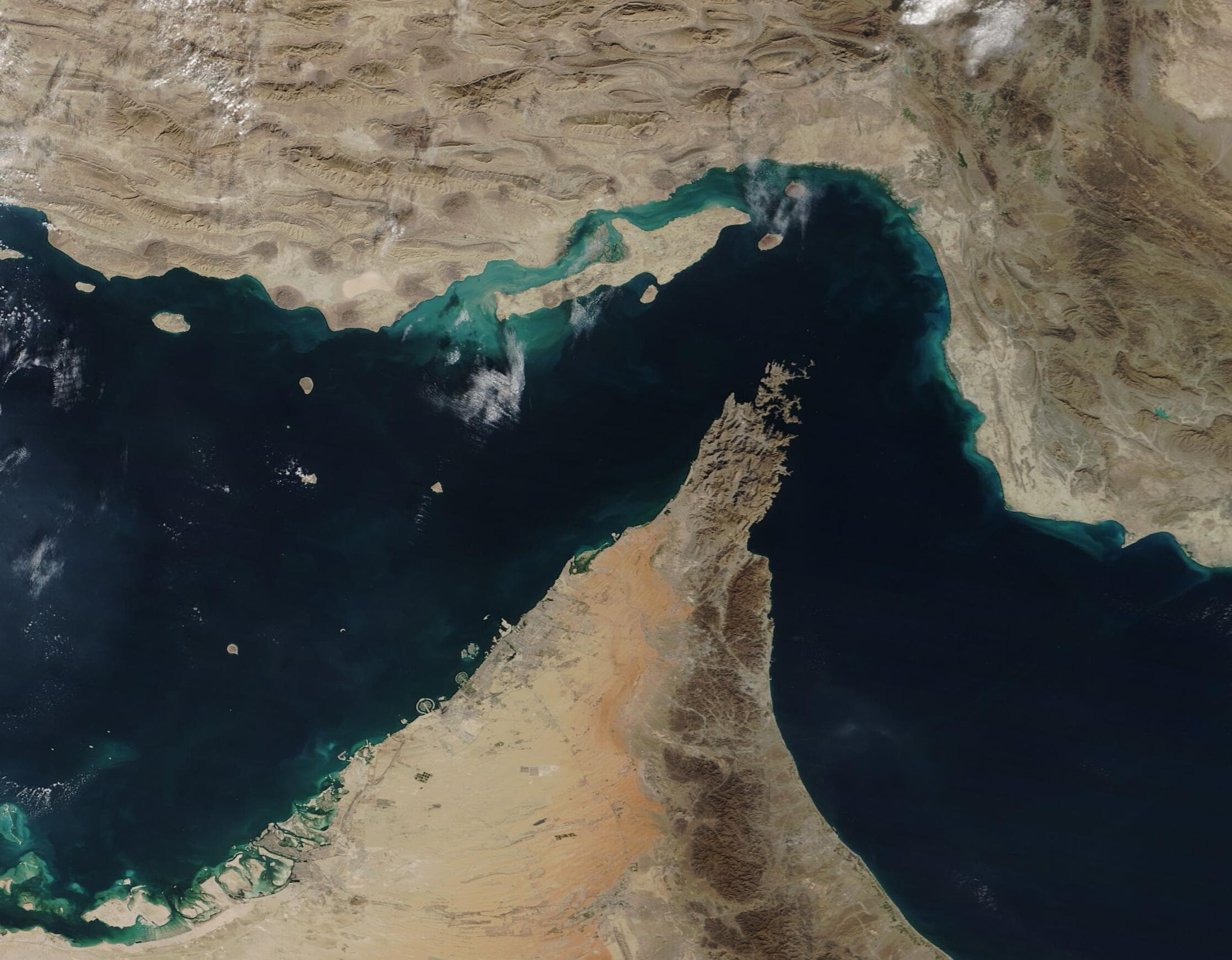
Iran has responded with sharp warnings. Mohsen Rezaei, the new head of Iran’s Supreme National Security Council, said any country’s support for the US measures would be regarded as an act of war. He stated that if the economic pressure continues, not a single drop of oil will be exported through the Strait of Hormuz or from anywhere in the Persian Gulf.
The confrontation follows months of military tension that has since shifted toward economic pressure. The US has maintained a naval blockade of Iranian ports that has redirected dozens of commercial ships. Iran’s currency hit a record low on Monday as markets anticipated the new sanctions.
Oil prices fell as investors assessed the risk of wider disruption to Gulf energy flows. Iran has already restricted transit through the Strait of Hormuz and has published lists of vessels it says violated its arrangements, warning of fines, detention or confiscation.
Pakistan’s Army Chief Asim Munir arrived in Iran on Monday for talks that Pakistani officials described as efforts to promote regional peace and stability. Iranian media reported that Munir was expected to meet figures close to Iran’s Supreme Leader.
Iranian President Masoud Pezeshkian has defended a memorandum of understanding with the United States as the best path out of the stalled conflict. Other Iranian officials have dismissed the new sanctions as a sign of American desperation that will fail.
The US measures build on decades of existing sanctions and the current naval blockade. Bessent has indicated that the goal is to force Iran to open the Strait fully and return to negotiations without a large-scale return to kinetic operations. Iranian officials have rejected that framing and have threatened seismic retaliation if the pressure intensifies.
Markets and regional governments are watching the announcement closely. Any escalation that disrupts oil flows through the Strait of Hormuz would affect global energy prices and the broader Middle East economy.
