
Trump declares grid emergency and bars some foreign power equipment
An 26 August order lets Energy ban, isolate or replace foreign-made bulk-power gear and software if it poses a security risk. DOE has 120 days to write the rules. China is not named.

Washington3 min read
Last updated
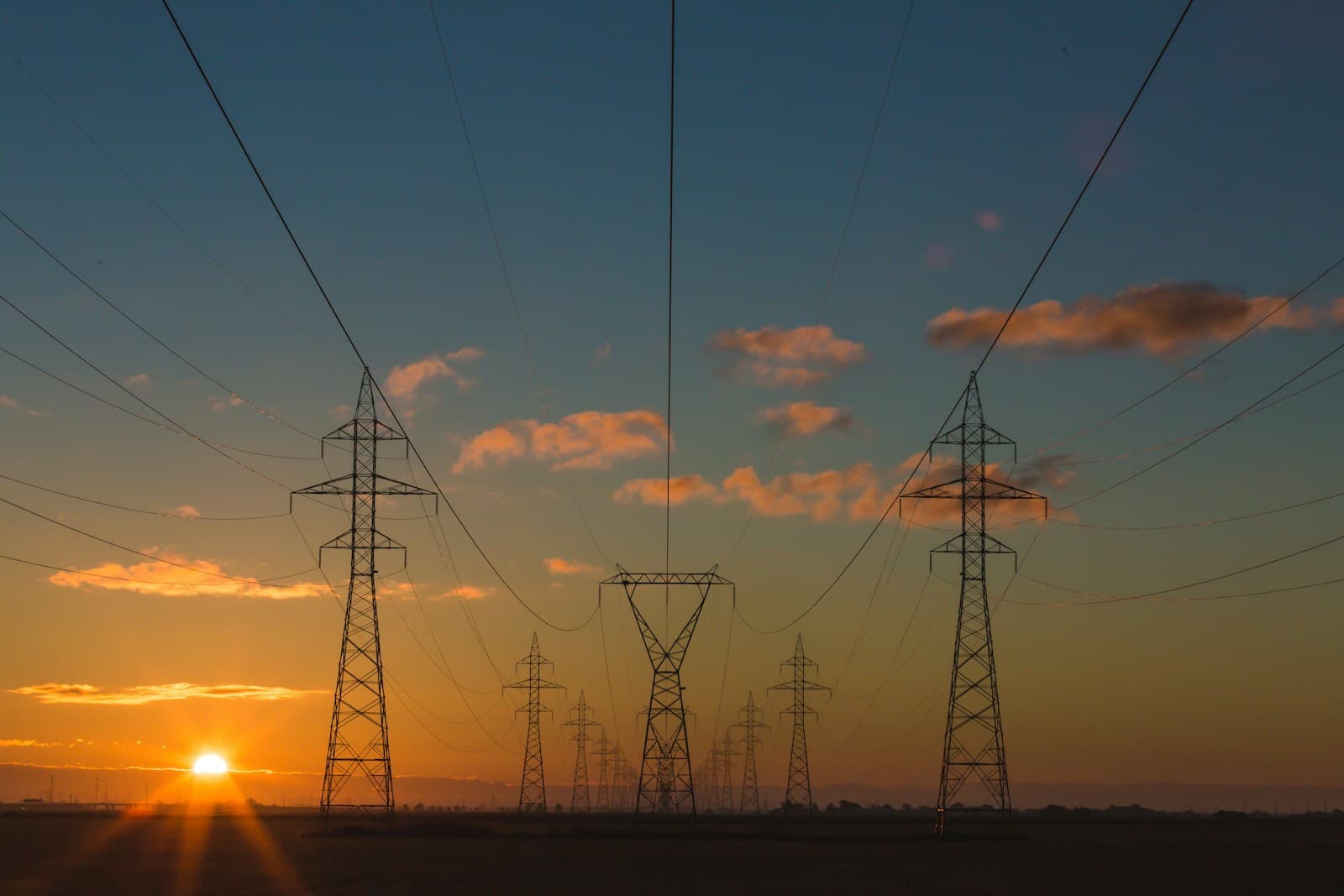
President Donald Trump signed an executive order on 26 August declaring a national emergency over foreign-made equipment in the US electricity grid. The White House said the order generally bars the purchase, import, transfer or installation of certain foreign-produced bulk-power system electric equipment, including associated software and digital functions that could pose cyber or operational risk.
The finding in the order is blunt. Trump wrote that the foreign supply of bulk-power equipment is an unusual and extraordinary threat, sourced in whole or substantial part outside the United States, to national security, foreign policy and the economy. He cited the growth of advanced manufacturing, data centres, artificial intelligence and defence production as reasons a successful attack or supply break would now cost more than it would have a decade ago.
The order does not impose a blanket ban on every foreign transformer, inverter or breaker. The Energy Department must decide that a transaction involves a covered foreign entity and poses an unacceptable security risk. The energy secretary can then prohibit the deal or attach conditions. For kit already running on the grid, the secretary can require it to be identified, isolated, monitored, secured, disconnected, replaced or removed.
That last clause is the part utilities will price first. Replacement of large power transformers is slow. Many units are custom-built, and lead times in recent years have stretched past two years. If DOE later lists a vendor or a class of already-installed equipment, operators could face outages or capital spend they did not budget. The order tells the secretary to weigh reliability and safety when imposing those restrictions.
China is not named in the text. US officials and lawmakers have for years flagged Chinese-made transformers, solar inverters and battery systems as possible points of remote interference. Last year Reuters reported that US experts had found communication devices that were not listed in product documents inside some Chinese solar inverters. The European Commission earlier this year barred Chinese-made inverters from publicly funded energy projects. The International Energy Agency has put China at roughly 80 percent of world battery and solar inverter manufacturing capacity.
The White House fact sheet lists malicious cyber activity as one reason for the emergency. The order follows a run of cyber incidents at US water utilities that showed how small operators can be reached through industrial control software. In 2024 then-FBI Director Christopher Wray told Congress that Chinese hackers had pre-positioned themselves in small office and home routers with the electricity grid among the targets if the two countries went to war.
Two statutes underwrite the declaration. The order gives the Energy Department 120 days to publish implementing regulations. DOE can also keep a list of pre-qualified equipment and vendors, which would give utilities a path to keep buying if they stay on the approved roster.
Domestic makers stand to gain if the rules bite. Bloomberg reported that SolarEdge Technologies, Enphase Energy and Tesla could benefit if utilities shift inverter and storage purchases. Large transformer builders in the United States and allied countries would be next in line. The flip side is cost and delay. Grid operators already struggle to add high-voltage lines. Extra-high-voltage additions in the US have fallen from nearly 4,000 miles in 2013 to a few hundred miles a year in the mid-2020s, while AI data centres have raised load forecasts in Virginia, Texas and Ohio.
Utilities and vendors now wait for the 120-day rulemaking to say which countries, firms and product classes are covered, whether already-installed Chinese inverters at solar farms must come out, and how DOE will treat equipment from allies that use Chinese subcomponents. Until that list exists, the emergency is a legal hook rather than a parts catalogue.
The order also sits next to the Hormuz and Iran file. Refined-product flows through the strait have been disrupted this year, and US distillate stocks have fallen to a seasonal record. A rule that forces utilities to rip and replace foreign grid gear in the same window would add another demand shock for steel, copper and factory slots.
What happens next is paperwork with teeth. DOE writes the regulations. Operators inventory what they already run. Manufacturers lobby to land on the pre-qualified list. The national emergency remains in force until a president ends it.
Continue reading
 News
NewsSecret Service opens file on Iranian TV segment naming Barron Trump
Almanaque Digital DeskWashington
- News
India and UK near pact on full-electric propulsion for four Navy LPDs
Almanaque Digital DeskNew Delhi
- News
Algeria wildfires kill 12 as 154 blazes burn through a North African heatwave
Almanaque Digital Desk