Maduro asks a New York judge to dismiss the drug case on head-of-state immunity
Barry Pollack filed a 60-page motion on 2 September. Trial is set for 1 June 2027. Judge Alvin Hellerstein listed oral argument for 17 November. Cilia Flores filed a parallel immunity claim.

New York3 min read
Last updated
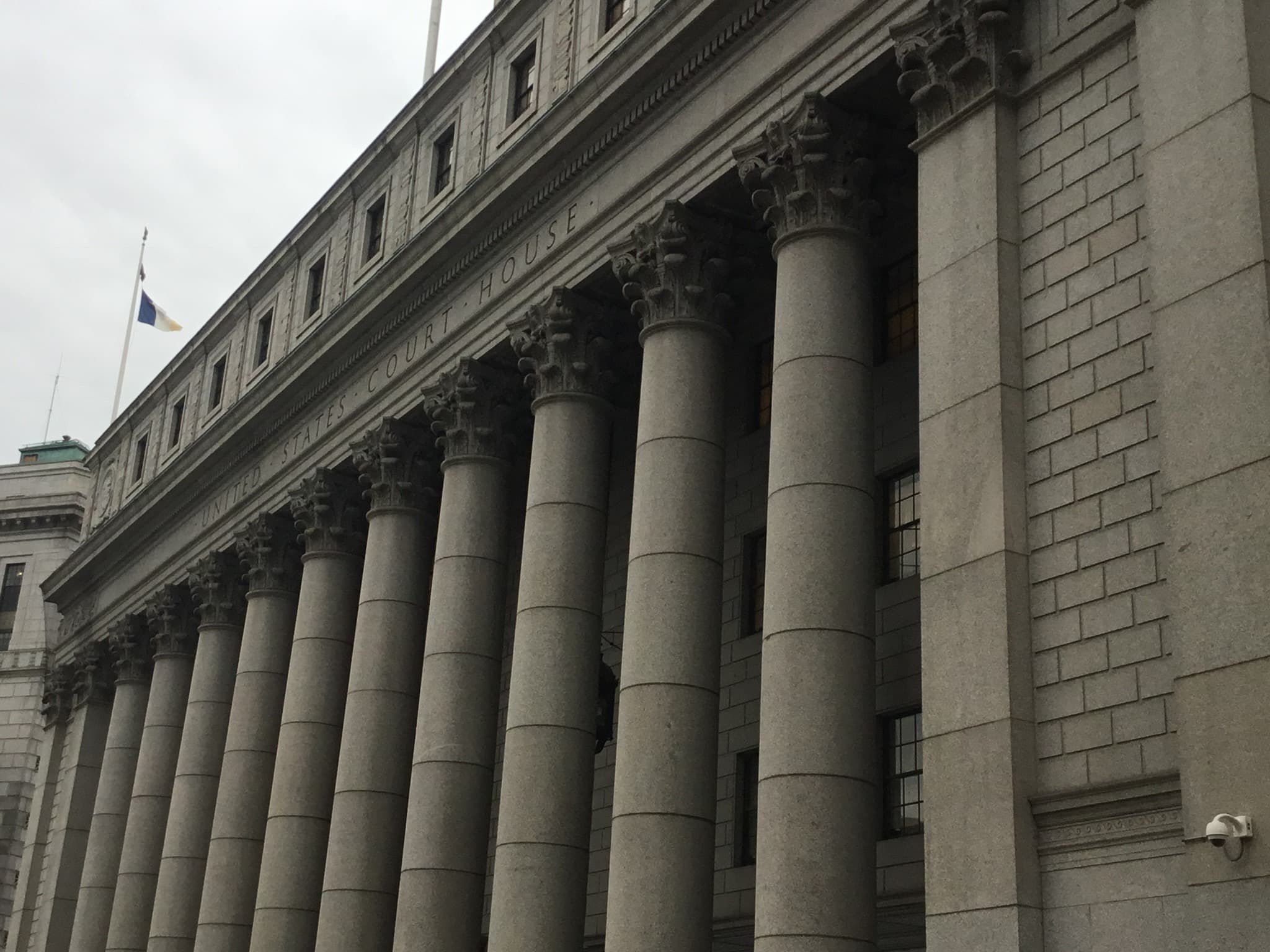
Nicolás Maduro asked a Manhattan federal judge on 2 September to throw out the drug-trafficking and narco-terrorism indictment against him, arguing that a sitting head of state cannot be tried in another country's criminal court.
The 60-page memorandum, signed by Barry Pollack and Anna Estevao, tells Judge Alvin K. Hellerstein that the court lacks jurisdiction because Venezuela still recognises Maduro as its president. "No American court has ever presided over the criminal trial of a foreign leader who was recognized by their own country as the sitting head of state at the time the charges were brought," the lawyers wrote. "Heads of state are exempt from the criminal process of any national court but their own."
They asked for dismissal with prejudice, which would bar the same charges from being filed again. A second, fallback motion seeks to kill only the narco-terrorism conspiracy count on the ground that the alleged conduct lacks a sufficient link to the United States. Cilia Flores, Maduro's wife and co-defendant, filed her own papers the same day. Her lawyers said any immunity she holds is an attribute of Venezuelan sovereignty and that only Venezuela can waive it.
Hellerstein has listed oral argument for 17 November. Prosecutors are due to respond later this month. If the motions fail, trial is set for 1 June 2027. Maduro, 63, and Flores, 69, have been held in a Brooklyn jail since U.S. forces seized them from their Caracas home in a night raid on 3 January and flew them to New York. Both pleaded not guilty. Maduro called himself a kidnapped president and a prisoner of war. They face possible life sentences if convicted of conspiracy to traffic cocaine into the United States and related firearms counts.
The legal argument turns on a collision the indictment itself cannot dodge. Customary international law has long treated sitting heads of state as immune from foreign criminal process. U.S. practice has usually followed that rule when Washington still treated the person as a head of state. The Trump administration's position is that Maduro is not a legitimate president and that the January raid was a "surgical law enforcement operation." Venezuela's position is that he never ceased to be president. Pollack's brief treats recognition by Caracas, not recognition by Washington, as the fact that matters.
The lawyers also argue conduct-based immunity. Even if status immunity failed, they say, the indictment describes acts carried out through official powers and state bodies, which would make them acts of Venezuela rather than of a private man. That second theory is harder for prosecutors to sidestep because the government's own narrative puts Maduro at the centre of a state-run trafficking structure.
There is a practical layer under the doctrine. In February Maduro's team tried to have the case dismissed after the Treasury blocked Venezuelan funds that would have paid his lawyers. That bid failed. The new motions go to the existence of the prosecution, not to who pays for it. A grant of immunity would end the trial before a jury is sworn. A denial would lock in a summer 2027 date and leave the raid's legality to be argued as a suppression or jurisdiction fight rather than as a complete bar.
Hellerstein now has to decide whether a U.S. district court can try a man whom his own state still calls president, after a military extraction that Washington describes as policing. No American criminal court has done that before. The November hearing is where that claim will be tested in public for the first time.
Continue reading
 Politics
Delhi opens a Shastri Park room that watches 700 construction sites for dust
Almanaque Digital DeskNew Delhi
- News
Lee says Seoul will answer if Ukraine will not apologise over the two POWs
Almanaque Digital DeskSeoul
- News
A 47-year-old man was shot dead in a British van carrying about 10 migrants near Troyes