Xi returns to Cairo after ten years with US sanctions on Iran hanging over the visit
The Chinese president landed on 1 September for talks with Abdel Fattah el-Sisi on the 70th year of diplomatic ties. Bilateral trade hit $20.7 billion in 2025. Chinese investment in Egypt is put near $10 billion.

Cairo3 min read
Last updated
Chinese President Xi Jinping arrived in Cairo on the evening of 1 September with Peng Liyuan for his first visit to Egypt since 2016. President Abdel Fattah el-Sisi and Entissar Amer met them on the tarmac. Folk dancers and rows of teenagers in shirts printed with Xi's face lined the route off the aircraft. A 21-gun salute at Ittihadiya Palace opened the formal day on 2 September.
The trip marks 70 years of diplomatic relations. Xi published a signed article in Al-Ahram, Al-Akhbar and Al-Gomhuria before he landed, titled as a celebration of that anniversary and a plan for a new stage of the comprehensive strategic partnership first signed in 2014. He quoted an Egyptian proverb: once you drink from the Nile, you are destined to return. He last drank in 2016, on a five-day swing that also took him to Riyadh and Tehran, days after Western sanctions on Iran had been lifted.
The region he has come back to is different. The United States and Iran are six months into an intermittent war. Washington is preparing further sanctions on governments that keep financial links with Tehran. Egypt sits on the Suez Canal, the other choke point that matters when Hormuz is unsafe. Chinese stakes in the Suez Canal Economic Zone are already large. They are likely to grow if more Asia-Europe cargo is forced around Africa or into longer waits at Port Said and Ain Sokhna.
Egypt's State Information Service put two-way trade at nearly $20.7 billion by the end of 2025. China is Egypt's largest partner in non-petroleum goods. CAPMAS figures for the first half of 2026 show Egyptian exports to China at $840.8 million, almost three times the earlier baseline the agency used, and imports from China at $10.4 billion. Cairo estimates Chinese investment at about $10 billion, much of it in the Canal zone, transport and the new administrative capital east of the old city.
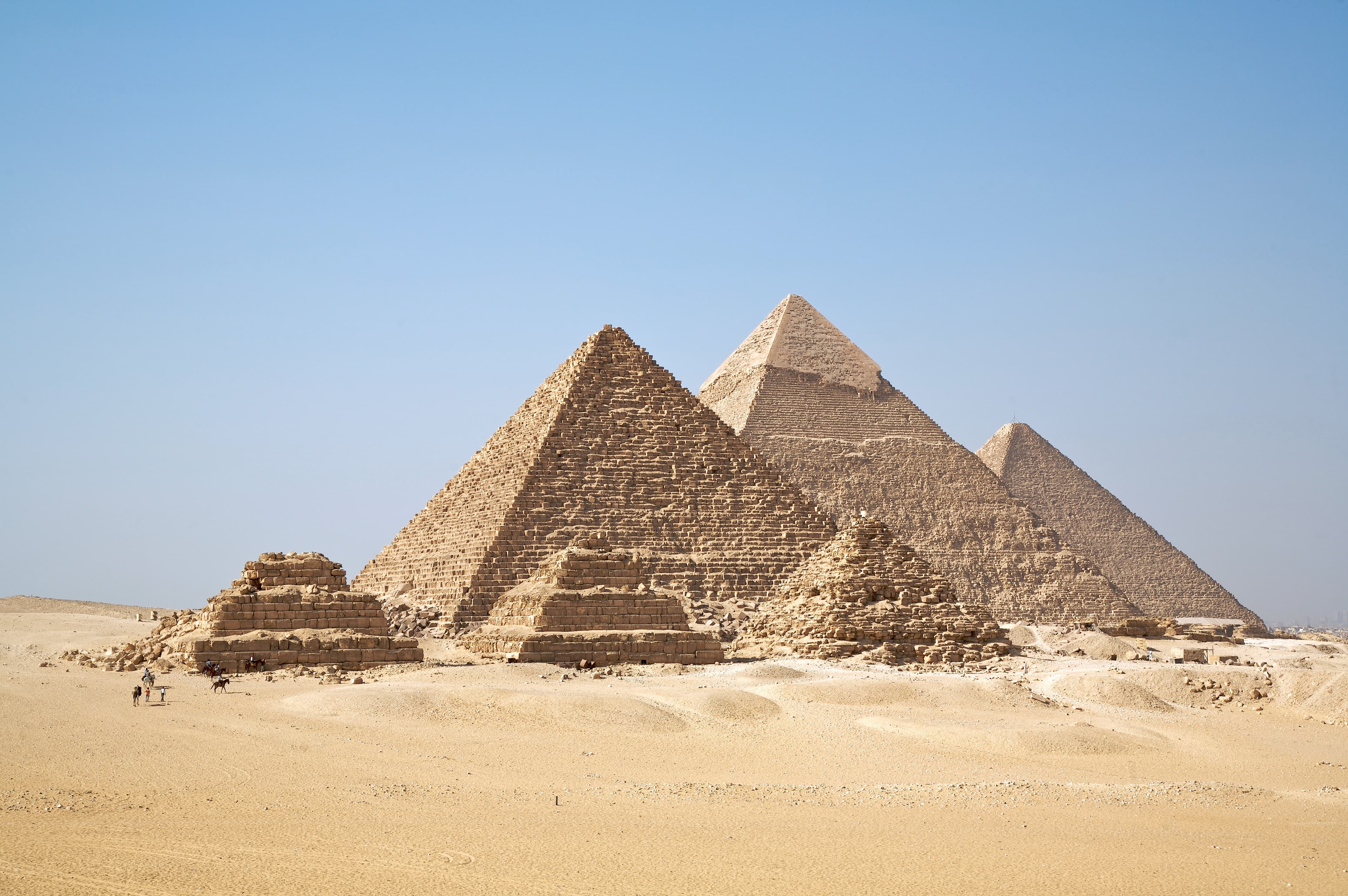
The working agenda on 2 September covers artificial intelligence, transport, manufacturing and energy. The two sides are due to sign a slate of economic papers. Xi's programme includes a stop at the Grand Egyptian Museum above the Giza pyramids. Sisi has visited China eight times since he took office in 2014. The imbalance in presidential travel is itself a fact about who has needed whom.
Egyptian officials present the visit as proof of an independent foreign policy: close enough to Washington to keep military aid and IMF programmes in view, close enough to Beijing to finance roads, rails and industrial parks. That posture is harder when U.S. secondary sanctions start to name banks and traders. The question for the next week is whether any of the papers signed in Cairo create exposure that Treasury lawyers in Washington can later use.
Xi's 2016 tour treated the Middle East as a corridor for the Belt and Road. The 2026 stop treats it as a corridor under fire. The New Administrative Capital, the expanded Canal zone and the Red Sea resorts exist in a country whose foreign-exchange position has been fragile for years. Chinese contractors have been paid in a mix of currency, land and political credit. Those contracts will be read again if shipping insurance rates on the Red Sea and the Mediterranean keep rising with the Gulf war.
The visit is short. Two days cannot rewrite a 70-year file. It can lock in project lists and give both presidents photographs they can use at home. For Xi, Cairo is a station between the SCO table in Bishkek and a widely expected meeting with Donald Trump later this month. For Sisi, it is a chance to show that Egypt still has more than one great-power number to call. The test is whether the numbers on the contracts survive the next round of American sanctions language.
Continue reading
 News
NewsJapan's permanent-residence fee is now 200,000 yen, twenty times the old charge
Almanaque Digital DeskTokyo
- News
Delhi extends ECGC cover under RELIEF as Gulf shipping risk stays high
Almanaque Digital DeskNew Delhi
- News
Ibaraki's governor blocks the second stage of a nuclear waste survey
Almanaque Digital Desk