Wang Yi tells U.S. envoy to clear obstacles before Xi’s Washington trip
The foreign minister met Ambassador David Perdue in Beijing and pointed to a possible 24 September meeting with Donald Trump. Both capitals have kept hitting each other’s firms since the May trade truce.

Beijing2 min read
Last updated
Chinese Foreign Minister Wang Yi told U.S. Ambassador David Perdue in Beijing on Wednesday that both sides should “remove interference and overcome obstacles” to high-level visits, as the two governments prepare for an expected trip by President Xi Jinping to Washington. Perdue later described the meeting, on social media, as part of preparations for Xi’s “reciprocal visit.”
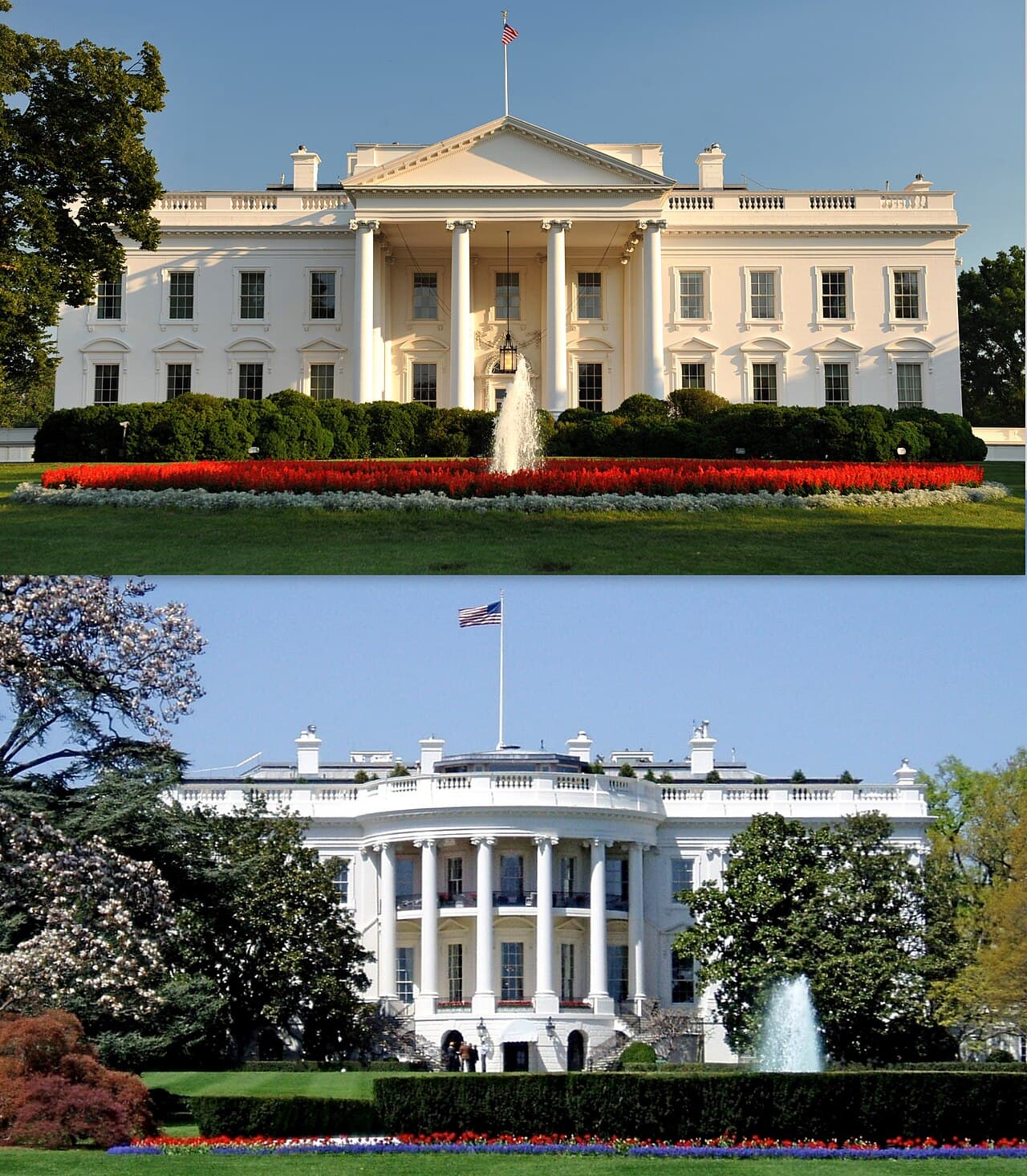
Trump and Xi met in Beijing in May and pledged to keep a fragile trade truce. Trump then invited Xi to the White House on 24 September. The date is still unconfirmed by Beijing. Wang’s language, carried by CCTV on Thursday, was the standard formula with an edge: focus on a “positive agenda,” manage differences, and keep the relationship “stable, healthy and sustainable.” He also said China–U.S. ties “still face various risks and challenges.”
Those risks have names. Since May the United States has banned certain Chinese-made robots. China has barred listed American entities from specified trade and other activity. Neither step matches the May handshake. Wang’s request to “overcome obstacles” is a way of saying that more of those steps could knock the September meeting off the calendar.
The ambassador channel is the working level for a visit of this size. Motorcades, press pools and the order of topics all pass through the embassy. Perdue’s public note that the meeting was about the Washington trip is useful because Chinese readouts often stay abstract. The two men were not negotiating tariffs in front of cameras. They were checking whether the meeting still exists as a shared project.
A second file sits under the same week. China’s position on Iran remains a problem for Washington’s sanctions campaign. Beijing is Iran’s largest trading partner and main oil buyer. A White House meeting in late September, one month away, is a reason for both sides to keep the Iran argument in a box they can open later. It is also a reason for each side to collect small concessions now.
Wang’s sentence about “win-win cooperation” and “peaceful coexistence on the basis of mutual respect” will be reprinted in Chinese media as evidence of restraint. The operational test is narrower. If robot bans and entity lists keep growing through September, the reciprocal visit becomes harder to stage. If they pause, the meeting can proceed and the lists can grow again in October.
Trump likes summits that look like deals. Xi likes summits that look like equals. Those two preferences can share a room on 24 September only if the weeks in between do not add another ban that one side cannot swallow in public. Wang put that condition in diplomatic English. Perdue put the meeting on the preparation list. Neither man published a new tariff number.