
Vaishnaw moves to four-track 11,000 km that already carry 41% of rail traffic
Seven corridors — Delhi–Howrah, Howrah–Chennai, Chennai–Mumbai, Mumbai–Delhi, Delhi–Chennai, Mumbai–Howrah and Delhi–Guwahati — cover 16% of the network and most of the crush. Some stretches already have four lines. Others are still at DPR.

New Delhi2 min read
Last updated
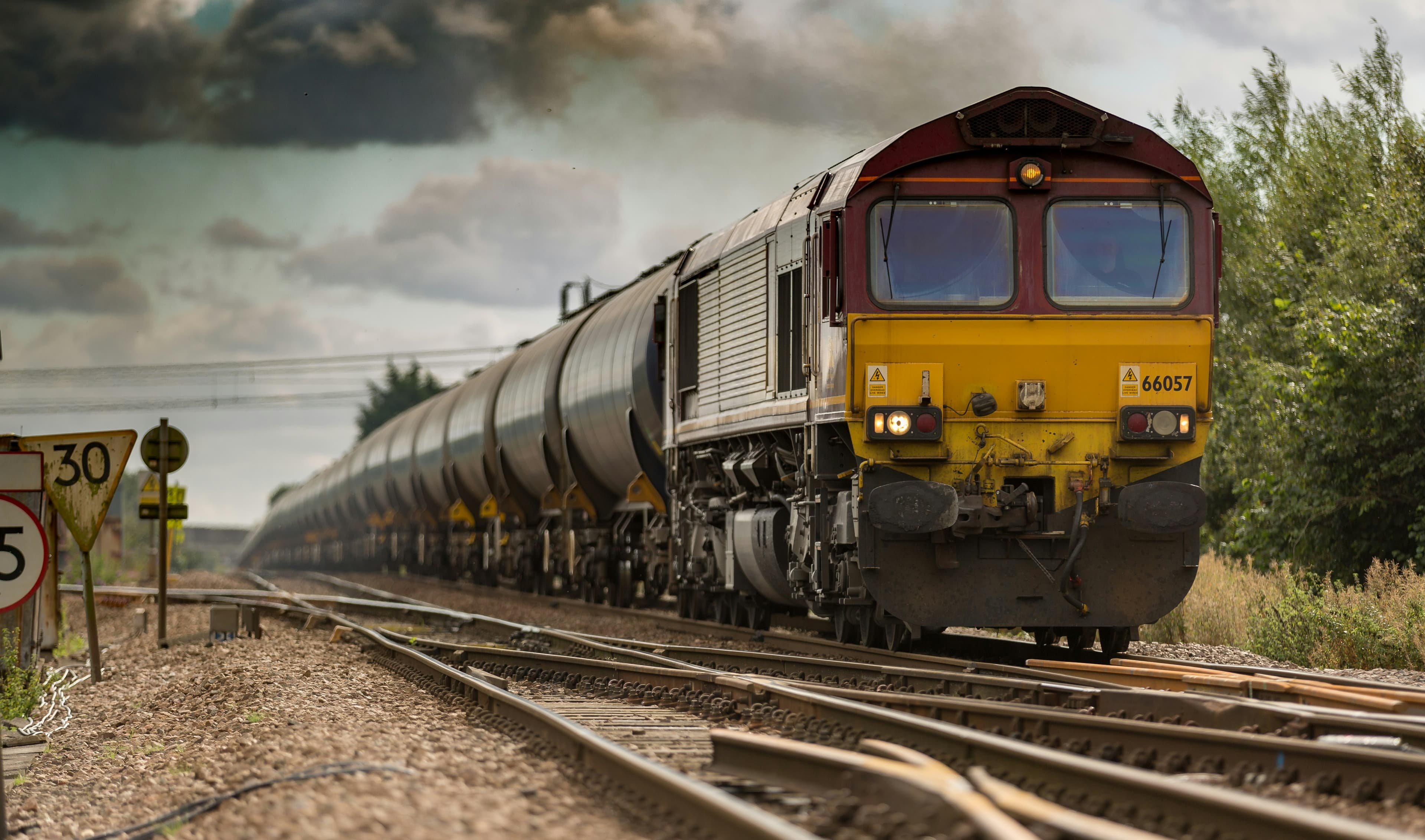
Railway Minister Ashwini Vaishnaw said this week that Indian Railways is pushing seven high-density corridors, about 11,000 kilometres in all, toward four tracks. Those seven routes carry around 41 percent of the country’s rail traffic and make up about 16 percent of the network. The imbalance is the reason for the work.
The list is the old Golden Quadrilateral plus its diagonals and the northeast trunk: Delhi–Howrah, Howrah–Chennai, Chennai–Mumbai, Mumbai–Delhi, Delhi–Chennai, Mumbai–Howrah and Delhi–Guwahati. Together they tie the four metropolitan corners to each other and tie Guwahati to the national grid. Vaishnaw put the slogan on X as “more tracks, less congestion, more trains, faster journey,” with a map.
The map uses three colours. Blue marks stretches that already have four lines. Red marks stretches that are approved or under construction. Yellow marks stretches still in detailed project reports or waiting for clearance. The minister did not publish a single completion year for the whole 11,000 kilometres. The honest reading of the map is that four-tracking is a programme already in motion, not a ribbon-cutting that starts now.
Four lines on a trunk route change the operating diagram. Passenger expresses and freight trains no longer have to steal the same pair of tracks. Maintenance blocks can sit on one line while the other three keep moving. Headways shrink. That is how a corridor that already takes 41 percent of traffic absorbs the next decade of coal, containers, food grain and long-distance sleepers without a permanent crawl.
Delhi–Guwahati is the political and military line in the set. The northeast still depends on a thin rail approach. Extra tracks there are capacity for goods and a redundancy argument if a flood or a slide takes one alignment down. The other six routes are the commercial skeleton. Howrah–Delhi and Mumbai–Delhi already mix Rajdhanis, freight and suburban overflow. Chennai–Howrah carries the east-coast trunk. Mumbai–Howrah and the two remaining diagonals close the box.
Vaishnaw also repeated the standard case for rail against road: lower cost per tonne-kilometre and lower emissions per unit moved. Those claims hold only if the trains actually run on time. Congested trunks erase both advantages. Four-tracking is an attempt to buy the punctuality that the environmental argument assumes.
The missing numbers are cost, land and commissioning dates by section. Adding two more broad-gauge lines across farmed plains, cities and ghat sections is a land-acquisition and blockade problem as much as a welding problem. Dedicated Freight Corridors already took a slice of the same geography. Where DFCs run parallel, the passenger quadrilateral can be four-tracked with less freight in the way. Where they do not, the four lines will still mix both traffics.
For passengers the visible change will be slow: fewer unexplained halts outside Kanpur or Asansol, more paths for extra trains during festival weeks. For freight customers the change is a path that does not wait for a Rajdhani to pass. The 41-and-16 split is why the ministry is spending here first. The map’s yellow stretches are why no one should treat the announcement as a finished network.