US Launches ‘Operation Economic Outcast’ to Sever Iran’s Remaining Financial Lifelines
Treasury Secretary Scott Bessent unveiled sectoral sanctions on digital assets, gold, aviation, shipping and technology, warning countries to cut ties or face isolation.

Washington1 min read
Last updated
The United States has opened what Treasury Secretary Scott Bessent called an “economic D-Day” against Iran. On Monday he announced Operation Economic Outcast, a campaign designed to block every remaining revenue stream that sustains the Iranian regime and its Islamic Revolutionary Guard Corps.
New sectoral sanctions target five areas Tehran has used to evade earlier measures: digital assets, technology, gold, aviation and shipping. Bessent said the actions broaden secondary-sanctions risk for any entity still doing business with Iran and accelerate enforcement. The Treasury’s Office of Foreign Assets Control simultaneously sanctioned more than 60 individuals, companies and vessels linked to nuclear, missile, cyber and oil activities.
Bessent framed the campaign in wartime language. “In the Second World War, D-Day marked the historic beginning of a campaign… to target and drive the enemy from its positions,” he said. “Today, in that same spirit, we are launching an economic onslaught against Iran’s financial connections around the globe.” He added that President Trump has already spoken to world leaders with specific requests to cease interactions with Tehran.
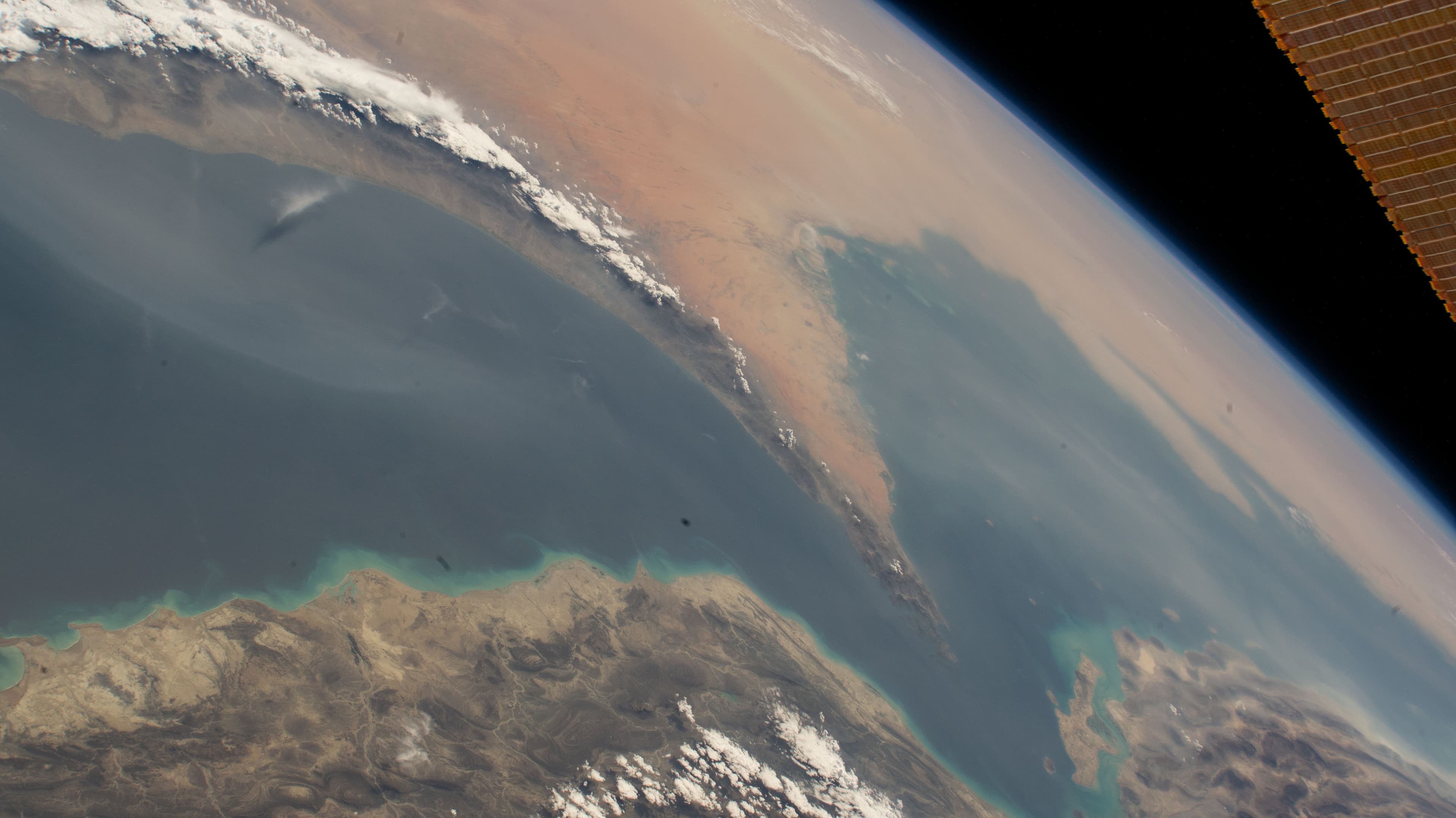
Iran has responded with warnings of its own, treating support for the new sanctions as a potential “act of war” and threatening further restrictions on shipping through the Strait of Hormuz. Six months into the broader conflict, both sides continue to escalate the economic dimension even as kinetic operations continue.
The measures stop short of immediate secondary sanctions on major trading partners, giving countries a window to adjust. Bessent’s message was unambiguous: those who remain tethered to Tehran should expect to share in its isolation.