US Launches Operation Economic Outcast to Cut Iran's Remaining Financial Lifelines
Treasury Secretary Scott Bessent announced expanded secondary sanctions on digital assets, technology, gold, aviation and shipping, plus designations of more than 60 entities, as part of what he called an economic D-Day against Tehran.

Washington2 min read
Last updated
Washington, August 24, 2026. The United States Treasury Department began Operation Economic Outcast on Monday, a campaign of secondary sanctions designed to sever Iran's remaining channels for generating revenue and acquiring technology.
Treasury Secretary Scott Bessent described the measures as the start of an economic onslaught against Iran and its enablers. In prepared remarks and a Financial Times op-ed, he compared the effort to D-Day, saying the objective is to leave Tehran isolated until the regime stands alone.
The new sectoral determinations target five areas that Iran has used to move money and goods outside the formal banking system: digital assets, technology, gold, aviation and shipping. Anyone conducting business in these sectors with Iranian counterparties now faces broader secondary sanctions risk.
Alongside the sectoral steps, the Office of Foreign Assets Control designated more than 60 entities, individuals and vessels. The designations cover networks involved in procurement of nuclear and missile technology, cyber operations and oil smuggling.
Bessent said Treasury has mapped every node, facilitator and network that Iran has used to smuggle oil and evade earlier sanctions. The department is also suspending certain licenses that had allowed limited payments and access to U.S. cultural and academic institutions.
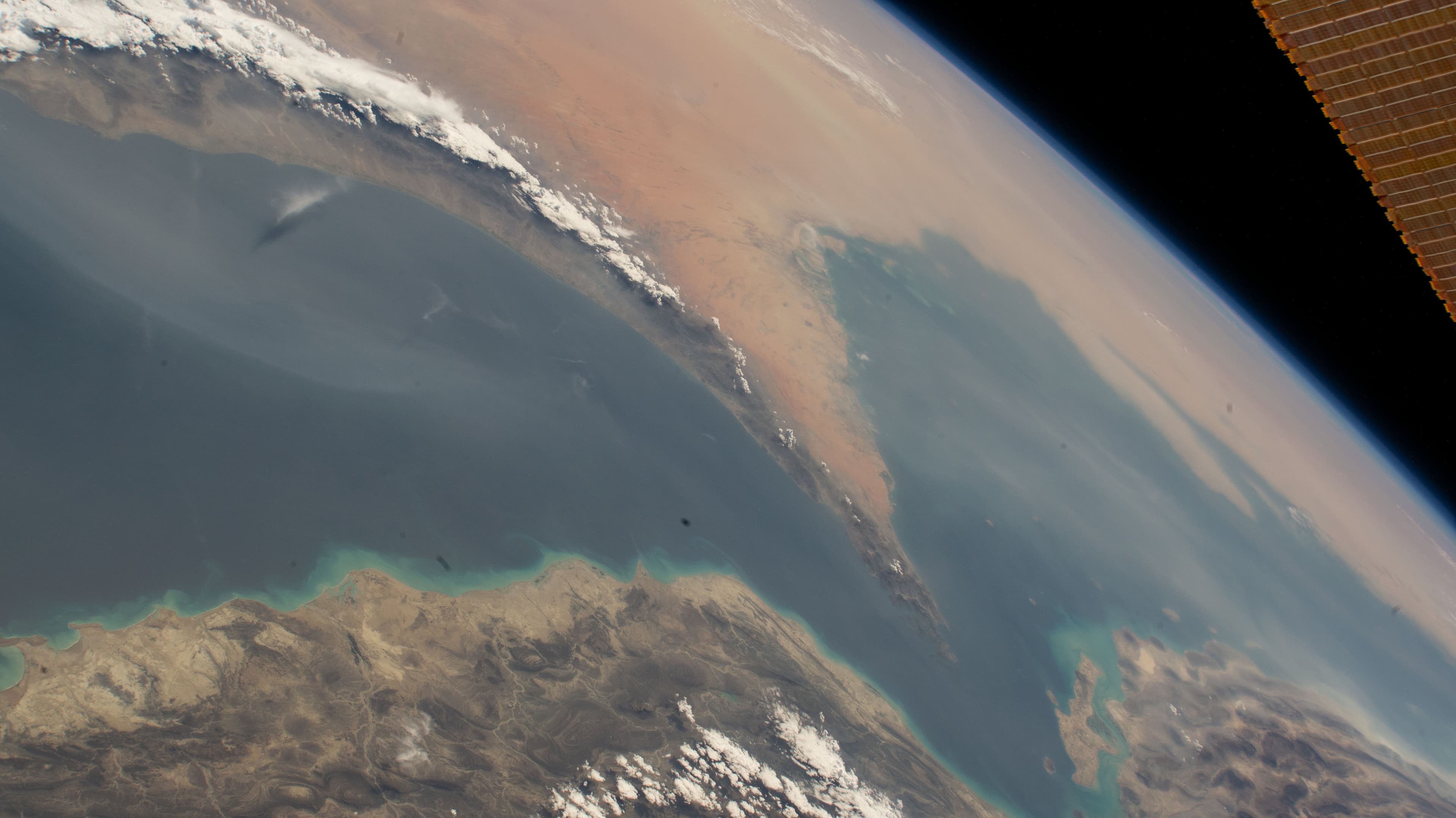
Iran responded with threats. Mohsen Rezaei, a senior figure on Iran's Supreme National Security Council, warned that any country supporting the U.S. measures would be treated as committing an act of war. Iranian officials stated that no oil would leave the Persian Gulf if the economic pressure continues, and that vessels violating Iran's transit rules in the Strait of Hormuz could face fines, detention or confiscation.
The announcement comes six months into the current phase of direct U.S.-Iran confrontation. Military strikes between the two sides have paused for weeks, yet neither side has returned to substantive negotiations. The United States has maintained a naval presence in the region, while Iran has asserted control claims over parts of the strait.
Oil markets have already reflected the uncertainty. About one-fifth of global seaborne oil and a significant share of liquefied natural gas normally pass through the Strait of Hormuz. Any sustained disruption would affect prices and supply routes for Asia, Europe and beyond.
Bessent framed the campaign as the endgame after earlier military and sanctions pressure had weakened Iran's conventional capabilities and nuclear programme. He told allies that remaining in the gray zone of trade with Iran is no longer acceptable.
The measures expand the reach of secondary sanctions beyond traditional banking and energy. Digital asset platforms, technology suppliers, gold traders, airlines and shipping registries now carry elevated risk if they maintain ties to designated Iranian networks.
Implementation will unfold over coming weeks. Treasury indicated that enforcement will be rapid and that the zero-leakage approach leaves little room for residual commercial activity. Countries and companies must now decide whether continued engagement with Iranian counterparties is worth the cost of potential exclusion from the U.S. financial system.
The operation does not include new primary sanctions on Iranian sovereign entities already under comprehensive restrictions. Its force lies in the secondary pressure applied to third-country actors who have kept residual trade open.
Continue reading
 News
NewsRussian glide bombs kill at least 20, including three children, in Zaporizhzhia residential buildings
Almanaque Digital DeskZaporizhzhia, Ukraine
- Education
IITs consider dedicated cadre of mental health professionals for students, faculty and staff
Almanaque Digital DeskNew Delhi
- News
PM Modi inaugurates 15-km Chennai Metro Phase 2 stretch with CM Vijay, launches projects worth over ₹13,000 crore