
US launches Operation Economic Outcast against Iran, expands secondary sanctions
Treasury Secretary Scott Bessent announced on 24 August 2026 a campaign of sectoral sanctions covering digital assets, technology, gold, aviation and shipping. More than 60 entities were designated the same day as the United States seeks to isolate Iran’s remaining revenue channels.

Washington2 min read
Last updated
The United States Treasury Department began Operation Economic Outcast on 24 August 2026. Treasury Secretary Scott Bessent described the measures as an economic onslaught aimed at severing every remaining financial lifeline of the Iranian regime.
Bessent said the department had mapped every node, facilitator and network used by Iran to smuggle oil and evade earlier sanctions. New sectoral determinations under Executive Order 13902 now cover five areas that Iran has used for revenue and procurement: digital assets, technology, gold, aviation and shipping. Anyone operating in or supporting these sectors on behalf of Iran faces secondary sanctions risk.
On the same day the Office of Foreign Assets Control designated nearly 60 entities, individuals and vessels in multiple jurisdictions. The targets include networks linked to illicit nuclear and missile technology procurement, cyber operations and oil-revenue generation.
Bessent told a press conference that countries and companies still doing business with Tehran would receive a defined period to shut down the identified activities. After that window closes, the United States will act unilaterally through Treasury authorities. He specifically mentioned that every Bank Melli branch must be shuttered and that any entity facilitating money laundering for Iran would be removed from the dollar system.
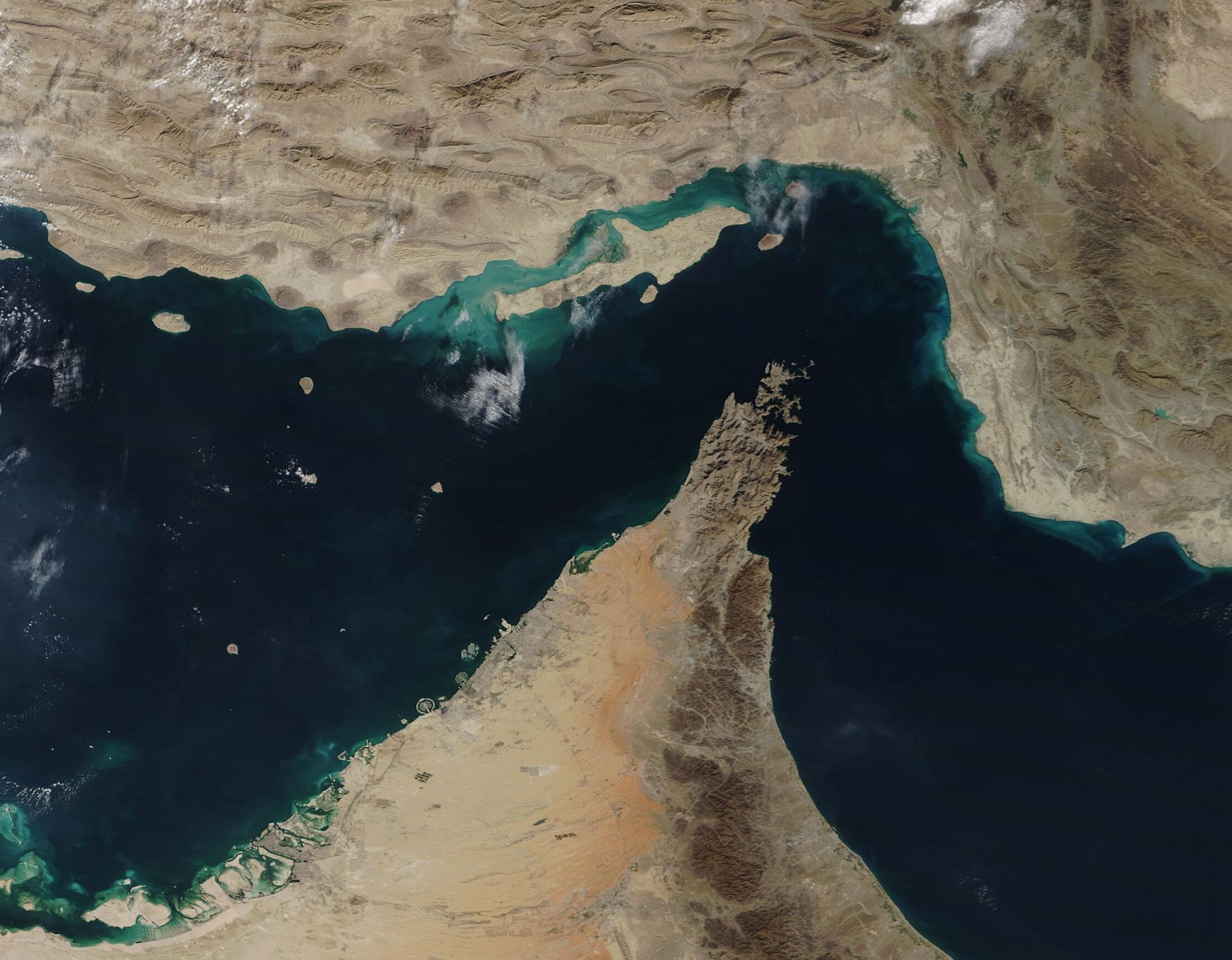
Iran’s Supreme National Security Council secretary Mohsen Rezaei responded by warning that any country joining the American measures would be treated as hostile. He also stated that if the economic pressure continued, Iran would stop all oil exports from the Persian Gulf, including through the Strait of Hormuz.
The announcement comes nearly six months into the 2026 Iran war. Military exchanges have largely paused, yet neither side has reached a ceasefire. Oil prices moved lower on the news as markets weighed the risk of further disruption to Gulf shipping against the possibility of reduced Iranian supply.
Bessent framed the campaign as the economic counterpart to earlier military pressure. He said the objective is to leave Tehran alone until the regime changes its behaviour on nuclear and regional issues. The measures expand the secondary-sanctions net beyond traditional energy and banking targets and place third-country facilitators under direct threat of exclusion from the United States financial system.
Continue reading
 Geopolitics
Oil Prices Fall as Markets Absorb New US Sanctions on Iran
Almanaque Digital DeskGlobal markets
- Tech
Chinese Humanoid Robot Beats Usain Bolt's 100-Metre Record at Beijing Games
Almanaque Digital DeskBeijing
- News
US Supreme Court Allows Trump Restrictions on Mail-In Ballots
Almanaque Digital DeskWashington