UN gathering in New York hears hibakusha call nuclear weapons absolute evil
Nihon Hidankyo used the United Nations' first dedicated meeting on victims of atomic bombings and nuclear tests to repeat its case against the weapons. The session ran as G20 finance chiefs met in North Carolina and as the Iran war kept nuclear risk in daily briefings.

New York2 min read
Last updated
The leading Japanese organisation of atomic-bomb survivors told a United Nations meeting in New York on 1 September that nuclear weapons remain an absolute evil. Nihon Hidankyo, which won the Nobel Peace Prize in 2024, spoke at the world body's first international gathering devoted to victims of atomic bombings and nuclear tests. Kyodo News carried the remarks in its 2 September digest.
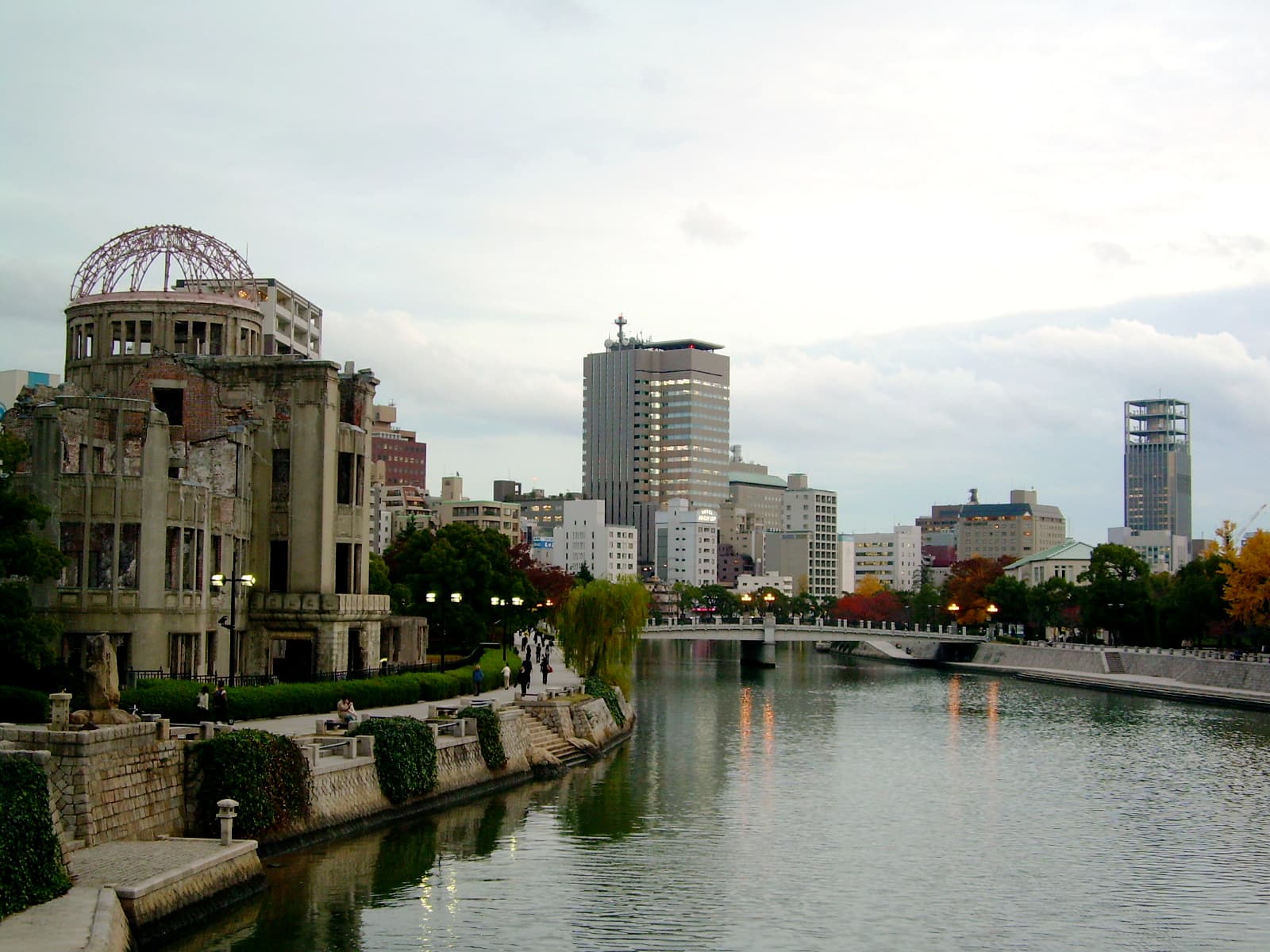
The wording is familiar to anyone who has followed hibakusha testimony since 1945. The setting is not. The UN has held countless disarmament debates. It has not, until this week, put survivors of Hiroshima, Nagasaki and the test sites at the centre of a dedicated meeting. Delegates heard from people who were children in 1945 and from communities that still live with fallout from later tests in the Pacific and elsewhere.
The calendar around the session is crowded with nuclear risk that has nothing to do with 1945. The United States and Iran are in the sixth month of an intermittent war. An IAEA report circulated on 1 September confirmed Assad-era reactor work at Deir ez-Zor and accounted for 73 tonnes of uranium metal now under agency seals in Syria. Russia continues missile and drone strikes on Ukraine. Those files were not on the New York agenda. They are why a survivors' meeting now draws a different audience from the anniversary ceremonies in August.
Hidankyo's argument has always been specific. The organisation wants states to treat nuclear weapons as illegitimate in law, not only as objects to be counted down in treaties. Japan itself remains under the U.S. nuclear umbrella. That tension sits inside every Japanese statement at the UN. Survivors speak against the bomb. The government in Tokyo does not sign the Treaty on the Prohibition of Nuclear Weapons.
What the new meeting can change is the record. Victim groups from test sites have long said that disarmament talks treat them as footnotes. A dedicated UN session creates a transcript, a photo line and a list of states that bothered to send a minister. It does not create a compensation fund or a new treaty. For ageing hibakusha the transcript may be the last official room that will hear them in person.
Sanae Takaichi, Japan's prime minister, spent 1 September at a disaster drill in Atsugi, Kanagawa, on the 103rd anniversary of the Great Kanto Earthquake. She was not in New York. The gap between a domestic drill and a UN victims' meeting is the usual split in Japanese public life: memory of disaster at home, memory of the bomb abroad, and a security policy that still assumes the American deterrent.
The test of this session is whether anyone outside the usual disarmament circuit quotes it next month. If the only coverage is a Kyodo brief and a UN web page, the meeting will have done what many first-time UN events do: exist. If foreign ministries start citing survivor testimony in Iran and Ukraine briefings, Hidankyo will have moved the language. That is a high bar. It is also the only bar that matches the phrase "absolute evil."
Continue reading
 News
NewsSettlers kill Mashour Yassin, 51, at his home on the edge of Yasuf
Almanaque Digital DeskYasuf
- News
Pakistan says 22 fighters died in Kunar and Helmand; the UN counts 10 civilians
Almanaque Digital DeskKabul
- News
Tennessee pauses executions after Christa Pike survives two doses of pentobarbital
Almanaque Digital Desk