UK Approves Storm Shadow Technology Transfer for Production in Ukraine
Prime Minister Andy Burnham, visiting Kyiv on Ukraine's Independence Day, confirmed that Britain will share classified data so Ukraine can manufacture the long-range cruise missile domestically, working with British and French industry.
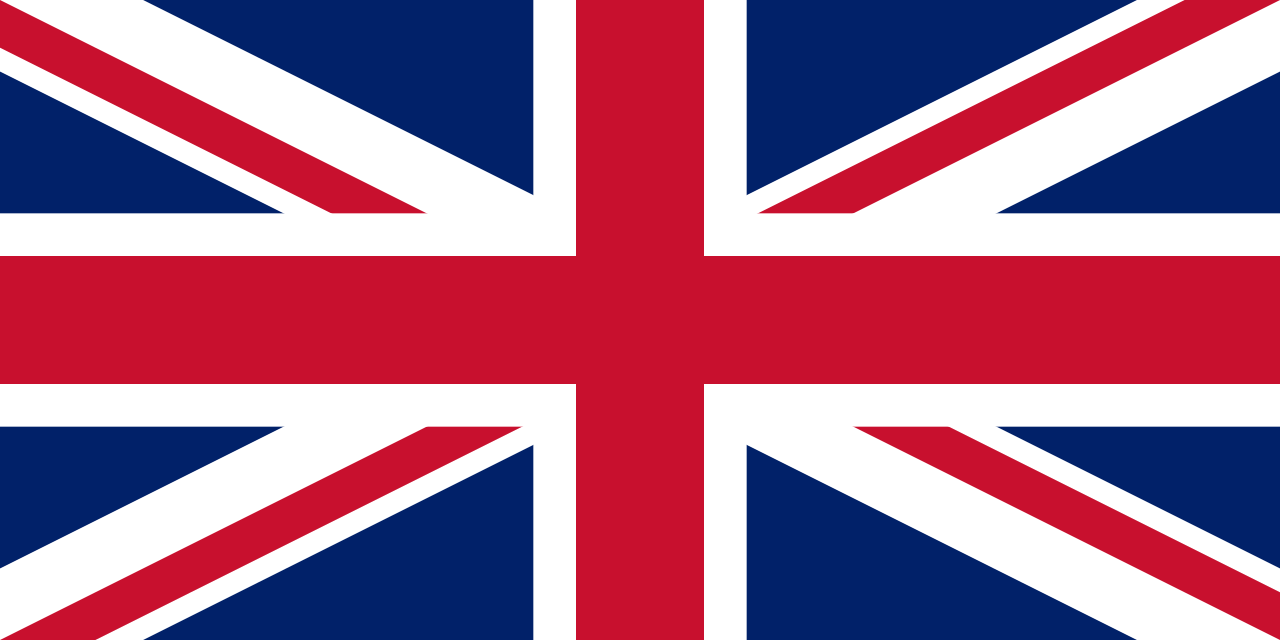

Kyiv2 min read
Last updated
Kyiv, August 24, 2026. British Prime Minister Andy Burnham announced during a visit to the Ukrainian capital that the United Kingdom has approved the transfer of classified technology for the Storm Shadow cruise missile, enabling local production in Ukraine.
Burnham met President Volodymyr Zelenskyy on Ukraine's Independence Day and confirmed that London would involve defence companies in the cooperation. Ukraine had requested the blueprints so it could assemble the weapons itself rather than rely solely on deliveries from Western stocks.
Storm Shadow, known as SCALP in its French variant, is a subsonic, stealthy air-launched cruise missile with a range of approximately 550 kilometres. Both the British and French versions share core technology developed by MBDA. Ukraine has already used missiles supplied by the UK and France against Russian targets.
The decision allows Ukrainian industry to begin construction of the missiles, with production expected to start by the end of the year. British and French defence firms will work directly with Ukrainian counterparts on the capability.
Burnham noted that the UK was the first country to provide Ukraine with long-range weapons in 2023. The technology transfer represents a further step in sustaining Ukraine's strike capacity over a longer horizon.
Russia has previously warned of consequences for countries supplying advanced weapons systems. Burnham's government proceeded with the release of the classified data despite those statements.
The move comes as European partners continue to expand their support packages. It also coincides with other announcements of defence assistance timed to Ukraine's independence commemorations.
For Ukraine, domestic production reduces dependence on the finite stocks of donated missiles and creates a more resilient supply line. For the UK and France, the arrangement transfers technical knowledge while keeping the industrial relationship under controlled conditions.
Implementation details, including timelines for the first Ukrainian-assembled missiles and the exact division of labour among the companies, will be worked out in the coming months. The political signal is already clear: Britain is prepared to deepen industrial cooperation with Ukraine on systems previously reserved for its own forces and close allies.
Continue reading
 News
NewsRussian glide bombs kill at least 20, including three children, in Zaporizhzhia residential buildings
Almanaque Digital DeskZaporizhzhia, Ukraine
- Education
IITs consider dedicated cadre of mental health professionals for students, faculty and staff
Almanaque Digital DeskNew Delhi
- News
PM Modi inaugurates 15-km Chennai Metro Phase 2 stretch with CM Vijay, launches projects worth over ₹13,000 crore