U.S. 100 percent drone tariffs take effect, with a 15 percent cap for some allies
From 3 September, drones over 25 kilograms, thermal models and docking stations face a 100 percent duty. Smaller drones are taxed at 25 percent. EU, Japanese, Korean, Taiwanese and Swiss goods can qualify for 15 percent if origin rules are met.

Washington2 min read
Last updated
New U.S. tariffs on imported unmanned aircraft and selected parts took effect at 12:01 a.m. Eastern time on 3 September. President Donald Trump signed the proclamation on 13 August under Section 232 of the Trade Expansion Act of 1962. The White House described foreign drones, above all Chinese ones, as a national security problem.
The top rate is 100 percent ad valorem. It applies to unmanned aircraft with a maximum take-off weight above 25 kilograms, to aircraft that carry thermal imagers, to docking stations for those aircraft, and to a list of critical components in Annex I of the proclamation. Drones at or below 25 kilograms, listed in Annex II, face a 25 percent duty. A further 25 percent duty on less sensitive components is scheduled for 9 February 2027, 180 days after signature, to give assemblers time to shift production.
Allied producers get a ceiling if they can prove origin. Goods from the European Union, Japan, South Korea, Switzerland, Liechtenstein and Taiwan can enter at a maximum of 15 percent when “substantially all” hardware, software and technology come from those countries or the United States. British goods can enter at 10 percent under the same test. The cap is not automatic. Certification of the bill of materials decides the rate.
Türkiye is outside the lower-rate group. Baykar’s Bayraktar TB2, at about 700 kilograms, and Turkish Aerospace Industries’ ANKA, at about 1,700 kilograms, sit well above the 25 kilogram line. If imported as Turkish-origin products without a waiver they would face the 100 percent rate.
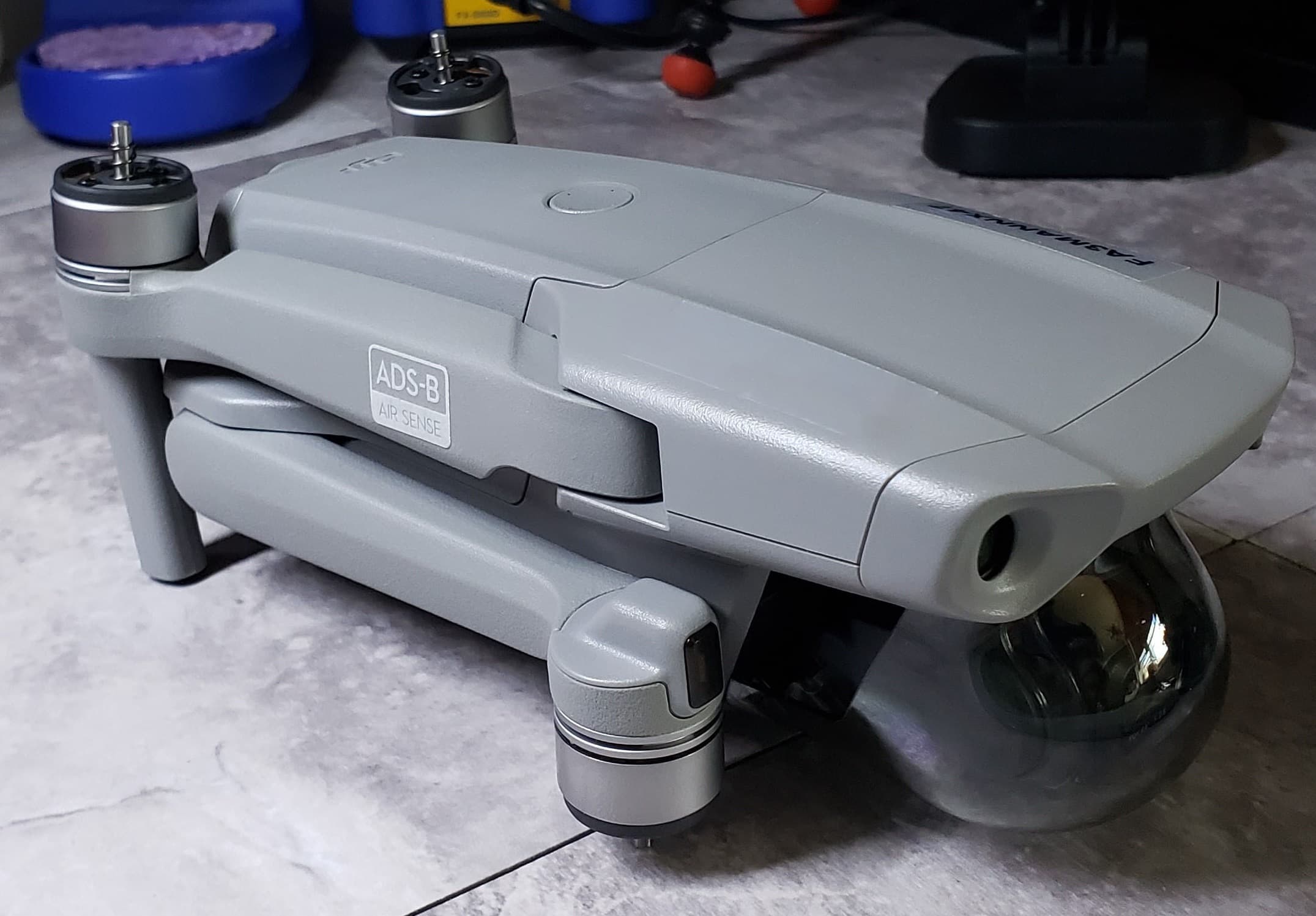
Shenzhen-based DJI still makes more than 70 percent of the world’s commercial drones on several industry counts. The company has been on a U.S. military-end-user list since 2022, which already limited its access to American technology. Police and fire departments in the United States have relied on DJI airframes to track wildfires and find missing people. Those users now face a 25 percent tariff on the small models and 100 percent on any thermal-equipped unit over the weight line.
China’s commerce ministry called the duties a disruption of the global drone supply chain and asked Washington to withdraw them. Trump’s two eldest sons have commercial ties to the U.S. drone industry, a fact noted in coverage of the August announcement. The proclamation also tells the commerce secretary to set up an onshoring program for firms that build airframes and parts inside the United States.
The policy sits on top of a market that the war in Ukraine changed. Cheap first-person-view aircraft and long-range one-way drones now decide sections of the front. The United States wants a domestic line for those systems and does not want Chinese radios, cameras and flight controllers inside them. The tariff is the blunt tool. The delayed component duty is the slightly less blunt one.
Whether U.S. and allied factories can fill the shelf space DJI leaves is the open question. A 15 percent allied cap helps European and East Asian vendors only if their software stacks and batteries also clear the origin test. Many of those vendors still buy motors, cells and sensors from the same Chinese suppliers the proclamation is written against. The first invoices dated 3 September will show who actually qualifies.
Continue reading
 News
NewsCrew-13 lifts off at 11:10 a.m. with a docking aimed at the fastest US arrival
Almanaque Digital DeskCape Canaveral
- News
Datafolha puts Lula four points ahead of Flavio Bolsonaro, and the runoff inside the margin
Almanaque Digital DeskSao Paulo
- News
Chinese refiners hold October fuel exports, and Singapore diesel jumps then fades