Swiss wool blankets cut glacier melt as well as plastic sheets at Glacier 3000
Summit Foundation and the University of Lausanne covered 200 square metres on the Vaud ice in June. GLAMOS staff measured the result. Wool matched the 50 to 70 percent melt cut of synthetic geotextiles.

Les Diablerets2 min read
Last updated
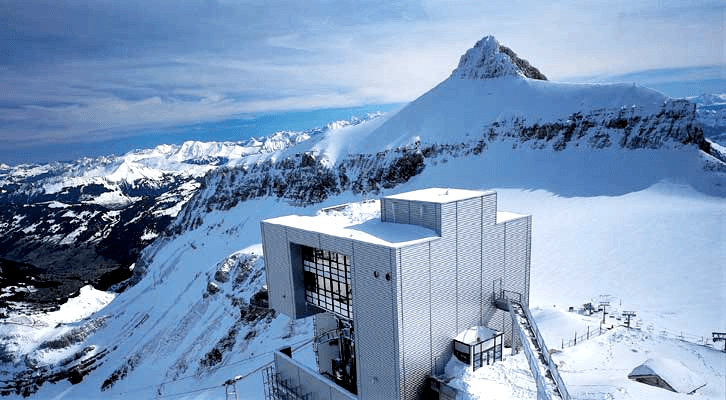
Two blankets of Swiss sheep's wool, each 100 square metres, cut summer melt on Glacier 3000 about as well as the plastic geotextiles already used on Alpine ice, according to first measurements released on 2 September by the Summit Foundation and the University of Lausanne.
The trial, called Keep it Wool, went down at the end of June on the ski and research area above Les Diablerets in canton Vaud. Staff from GLAMOS, the Swiss glacier monitoring network, supervised the science. A conventional synthetic sheet of the same size sat beside the wool so the comparison would be direct. Readings taken every two weeks through the summer showed melt under the wool falling by 50 to 70 percent, the same band long quoted for polyester and polypropylene covers. The thicker of the two wool prototypes performed slightly better, project manager Timothée Steiner said.
That result matters for a narrow and dirty reason. The sheets already in use shed fibres as wind and meltwater work them. Those particles can enter the water cycle. Wool does not add plastic. It is also a local surplus. Swiss farms produce wool that often has no buyer. Fisolan, a Swiss firm, made the prototypes. The project began as a master's exercise by four Lausanne students before the NGO took it onto the ice.
The foundation was careful not to overclaim. Textile covers of any kind sit on about 0.02 percent of Switzerland's glacier area. They save roughly 300,000 cubic metres of snow a year. Swiss glaciers lose close to a billion cubic metres in a bad year. The sheets protect a ski piste, a tourist cave or a research patch. They do not save a glacier. Matthias Huss of ETH Zurich said earlier this summer that Alpine snow cover had already reached August conditions in early July after two heat spells, with winter snow 25 percent below the 2010-2020 average.
The comparison the trial actually wins is material, not climate. If a resort or a water utility is going to cover a few hectares anyway, wool now has a measured case against plastic. Scale is the next problem. Two hundred square metres is a plot. A working cover for a small glacier tongue would need tens of thousands of square metres, a supply chain for raw fleece, and a way to get wet wool off the ice before winter without leaving a sodden mat. Those steps have not been priced.
Summit Foundation's warning is the useful part of the announcement. Wool is cleaner than the current sheet. It is not a substitute for cutting the heat that is removing the ice. The Keep it Wool plots will be watched through the rest of the melt season. If the autumn numbers hold, the argument shifts from whether wool works to whether anyone will pay to weave it at the size the Alps would actually use.
Continue reading
 Politics
Maharashtra leads September GST at 29,986 crore as Manipur posts a 145 percent rise
Almanaque Digital DeskMumbai
- News
Machchhar tells Modi he opened the FZ1073 door while the blows were still landing
Almanaque Digital DeskNew Delhi
- News
Seven devotees die on the Samruddhi Mahamarg near Dhamangaon
Almanaque Digital Desk