Supreme Court tells seven states to raise district judges' retirement age to 62
A bench led by Chief Justice Surya Kant gave Chhattisgarh, Karnataka, Madhya Pradesh, Maharashtra, Sikkim, Tamil Nadu and West Bengal two months to amend service rules. District courts hold 5.18 crore pending cases. About 24 per cent of 30,868 sanctioned posts are empty.
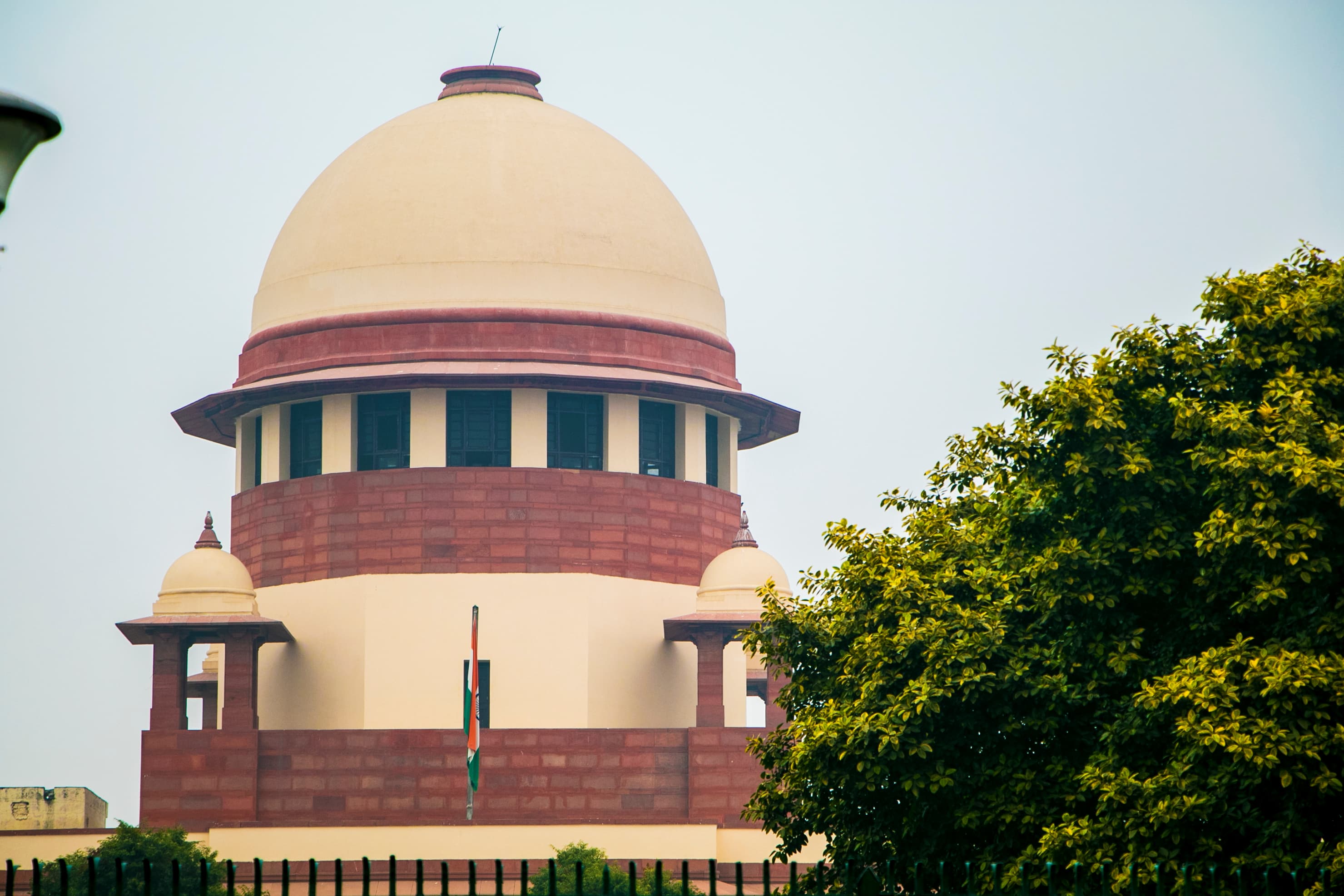

New Delhi2 min read
Last updated
The Supreme Court on 1 September, in an order published on 4 September, directed seven state governments to amend judicial service rules within two months and raise the retirement age of district judicial officers from 60 to 62. The states are Chhattisgarh, Karnataka, Madhya Pradesh, Maharashtra, Sikkim, Tamil Nadu and West Bengal. Until the rules change, no officer in those states who has turned 60 is to retire before 62, subject to a suitability check by the High Court concerned when the officer reaches 60.
The bench of Chief Justice Surya Kant and Justices Joymalya Bagchi and V. Mohana was hearing All India Judges Association v. Union of India. The court called the change the "crying need of the hour" to stop experienced officers walking off the bench while 5.18 crore cases sit in district courts. Union figures from February 2026 put working strength at 21,027 against a sanctioned 25,894 in one series, and vacancies at about 24 per cent of 30,868 sanctioned posts in another. Either way the gap is large enough that the court said access to justice becomes a "chimera" when posts stay empty.
What the seven states must do
The High Court in each consenting state will assess the officer at 60. The extra two years are not automatic. The court accepted the High Courts' own suggestion that extension should depend on performance. The two-month clock for the rule change starts from the order. The next hearing is listed for 1 October.
States and Union Territories that have refused or have not decided were given two weeks to take a position. That list includes Andhra Pradesh, Arunachal Pradesh, Assam, Bihar, Goa, Gujarat, Haryana, Himachal Pradesh, Jharkhand, Kerala, Manipur, Meghalaya, Mizoram, Nagaland, Odisha, Punjab, Rajasthan, Telangana, Tripura, Uttarakhand, Uttar Pradesh, Delhi, Jammu and Kashmir, and Puducherry.
The money argument
Some governments had said keeping officers to 62 would cost more. The bench flipped the ledger. If an officer retires at 60, the state starts paying pension and other post-retiral dues at once and must also recruit and train a replacement. If the same officer stays until 62, those dues are postponed and the court keeps a judge who already knows the roster. The court also held that general state employees cannot claim the same age as a matter of parity. Judicial officers are recruited later and serve a different structure under Articles 233 to 237.
Why two years matter
District courts are where most Indians meet the justice system. A two-year extension does not clear 5.18 crore cases. It does keep people who can dispose of sessions trials and civil suits from leaving in the same month that a vacancy opens and stays open. Recruitment through state judicial services is slow. The court's order is a holding action while those pipelines stay blocked.
Whether the remaining states move in two weeks will decide if the age becomes a national floor or a patchwork. The 1 October hearing is where that split will be visible.
Continue reading
 News
NewsSettlers kill Mashour Yassin, 51, at his home on the edge of Yasuf
Almanaque Digital DeskYasuf
- News
Pakistan says 22 fighters died in Kunar and Helmand; the UN counts 10 civilians
Almanaque Digital DeskKabul
- News
Tennessee pauses executions after Christa Pike survives two doses of pentobarbital
Almanaque Digital Desk