Supreme Court quashes NEET protest FIRs under Article 142
A three-judge bench led by Chief Justice Surya Kant closed cases from the 20-25 July protests and told states not to register fresh ones for those dates. Delhi Police may still file against 2,873 people with serious prior cases. The Cockroach Janta Party cancelled its 5 September march.

New Delhi3 min read
Last updated
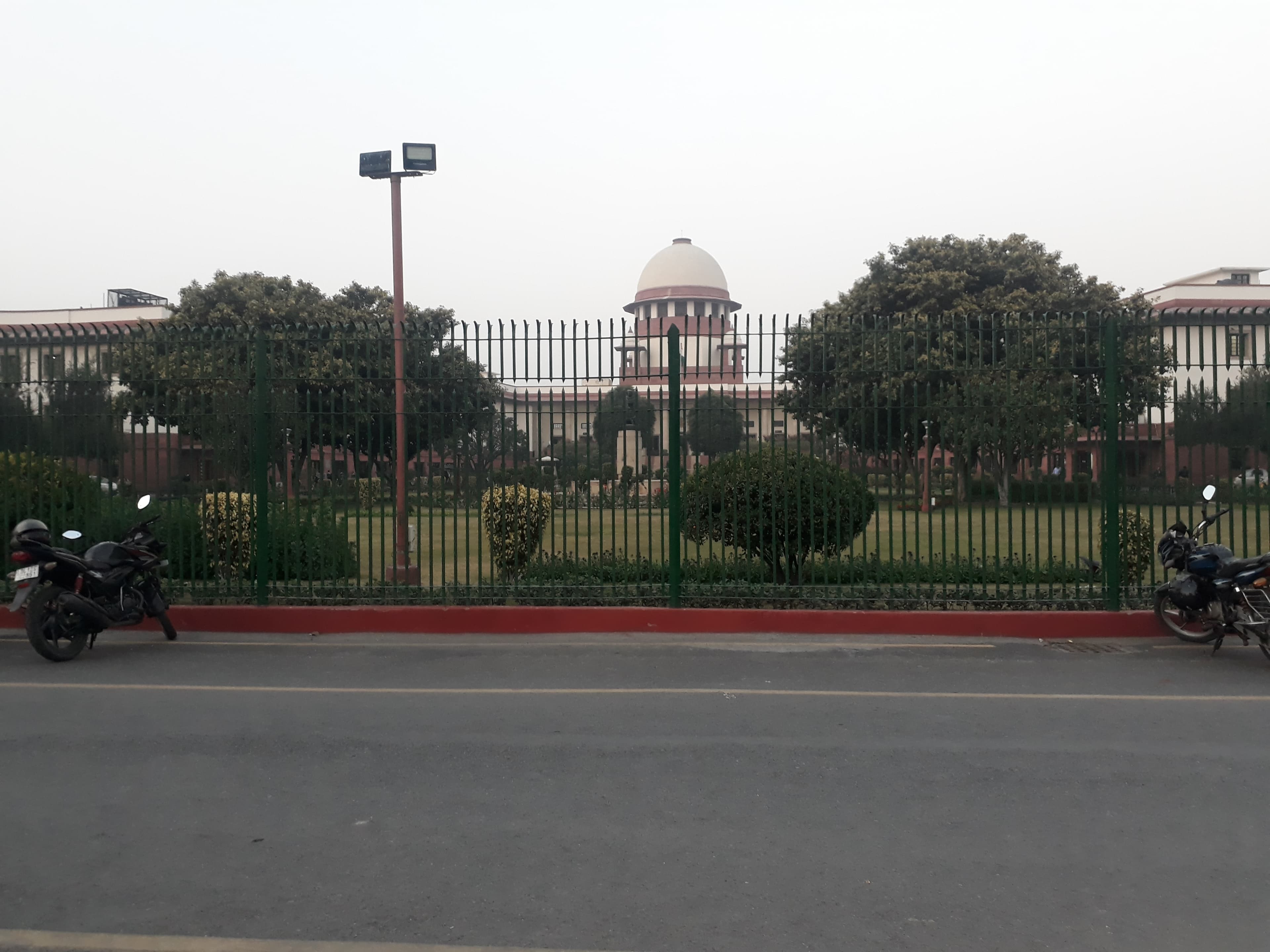
The Supreme Court on Tuesday, 1 September, used Article 142 of the Constitution to quash first information reports filed against students who joined the Cockroach Janta Party protests between 20 and 25 July. The three-judge bench of Chief Justice Surya Kant, Justice Joymalya Bagchi and Justice V. Mohana acted on applications from Delhi Police and from Maharashtra, Bihar, Assam and West Bengal. The order also covers any FIR from those dates in any other state or Union territory that was not formally listed. Those files, the bench said, shall not be investigated and shall be treated as closed.
CJP co-convener Saurav Das told the court that the group was cancelling its 5 September march in Delhi. Union Health Minister J.P. Nadda later said FIRs lodged against participants in the Delhi protests would be withdrawn and that no stringent action would be taken against them. He welcomed the decision to call off the march.
The carve-out of 2,873 names
Solicitor General Tushar Mehta told the bench the Centre could accept a wide quashing if one group stayed outside it. Delhi Police was given liberty to register a fresh FIR against 2,873 people who, the application said, have serious criminal antecedents, including murder, rape and abduction, and who were present at Jantar Mantar. The court said that step would be without prejudice to those individuals' right to seek legal remedy.
The wording matters. The 2,873 names are not a conviction list. They are a police schedule of prior cases. How many of those cases ended in acquittal, withdrawal or a pending charge is not in the public order. Lawyers for the named people can still move the same court if the new FIR is filed.
Compensation clocks
The bench directed the Centre to pay, within three months, compensation to families of students who died by suicide over the NEET-UG 2026 paper leak. It also asked the Union government to design a pan-India scheme for protesters injured in police action, in consultation with states, and to adopt that scheme as a standing mechanism. Modalities were left to the Centre. No per-family figure was fixed in open court.
Article 142 lets the court pass orders needed for complete justice. The bench said it was using that power because of commitments made by both sides and because of the future of young protesters who had come in good faith. The invocation, it added, depends on both sides keeping the understanding reached before it.
What the protests were about
The July sit-ins began after allegations of a leak in the National Eligibility-cum-Entrance Test for undergraduate medical seats. CJP demanded the resignation of then Union Education Minister Dharmendra Pradhan. Protests spread beyond Delhi. FIRs followed in several states. The Centre later came to the court asking for a clean close rather than hundreds of local trials.
The paper-leak investigation itself is a separate track. Tuesday's order does not decide how the leak happened, who sold papers, or what happens to the exam cycle. It decides only what happens to the protest cases from five late-July days.
What remains open
States that never filed an application are still bound by the catch-all paragraph. Fresh FIRs for the same dates are barred. Conduct after 25 July is not covered. The 2,873-name FIR, if filed, will be the next hearing. The compensation scheme will show whether the three-month clock is real. CJP has parked the 5 September march. The group has not said it is dissolving.
For students whose names sat on ordinary protest FIRs, the practical effect is a closed file and a line in the order that the cases should not affect their future. For the named 2,873, the practical effect is a possible new case and a right to fight it.
Continue reading
 News
NewsEthiopia orders an Egyptian diplomat out within 48 hours as it shuts the Asmara embassy
Almanaque Digital DeskAddis Ababa
- Geopolitics
Greer says an India trade deal is in the short strokes and nothing is imminent
Almanaque Digital DeskMilwaukee
- News
England and Wales free about 700 prisoners on the first morning of the Sentencing Act scheme