Supreme Court quashes NEET protest FIRs and bars fresh cases
A three-judge bench led by Chief Justice Surya Kant used Article 142 to close cases from the 20-25 July protests. Delhi Police may still file one FIR against 2,873 people flagged by facial recognition. The Cockroach Janta Party cancelled its 5 September march.
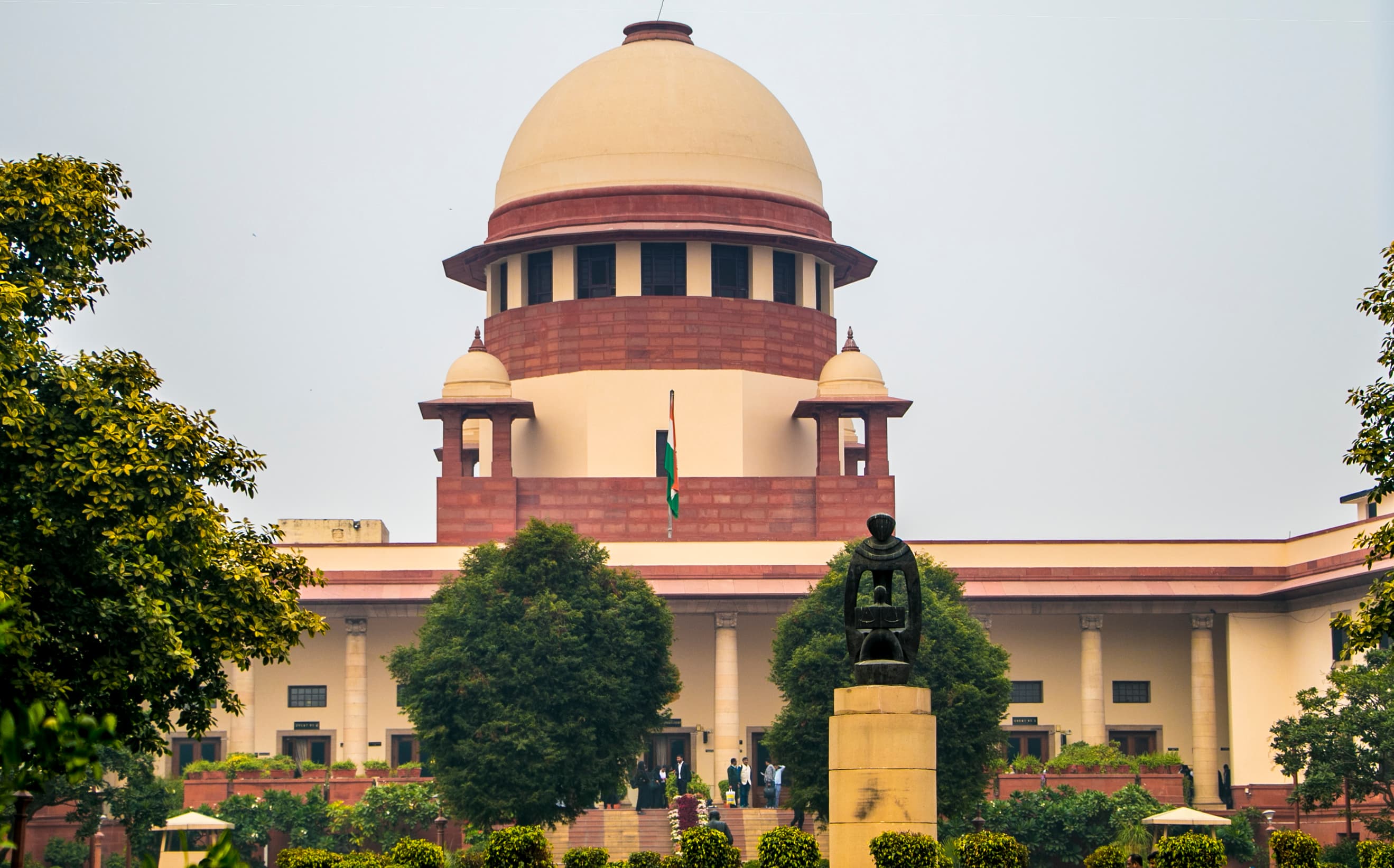

New Delhi3 min read
Last updated
The Supreme Court on 1 September cancelled the first information reports filed against students who joined the nationwide protests after the NEET-UG 2026 paper leak. The order covers incidents between 20 and 25 July. It also tells every state and Union territory not to register new cases for those dates.
Chief Justice Surya Kant sat with Justices Joymalya Bagchi and V. Mohana. They invoked Article 142, the clause that lets the court pass any order needed for "complete justice." The applications came from Delhi Police and from the governments of Maharashtra, Bihar, Assam and West Bengal. Once the bench learned that Madhya Pradesh and Uttar Pradesh had similar files that had not been listed, it extended the closure to every jurisdiction.
"Keeping in view future of young protestors who bonafidely came to protest, we find it a fit case to invoke Art. 142," the order said, in the wording carried by LiveLaw. The bench added that the ruling was confined to these facts and would not be a precedent.
One exception remains. Solicitor General Tushar Mehta told the court that facial recognition at Jantar Mantar had placed 2,873 people with prior records, including cases of murder, rape and abduction, at the Delhi protest site. The court allowed the Centre and Delhi Police to register a fresh, specific FIR against that group. Those named keep the right to defend themselves. No other new FIR for the July protests is permitted.
The protests were organised by the Cockroach Janta Party, a student-led group that demanded the resignation of then Union education minister Dharmendra Pradhan after the leak and the cancellation of the exam. After the order, the group called off a march planned for 5 September in New Delhi. CJP spokesperson Saurav Das and party leader Ratna Singh spoke outside the court after the hearing.
The Union also accepted a timeline on compensation. Mehta said the Centre would design a national scheme for families of students who died by suicide after the exam was cancelled, and would pay within three months. The bench directed that the scheme be worked out with states and then used as a standing method, not a one-off payout list.
Kerala, through advocate Aljo Joseph, told the court that police in the state had not used violence against student marchers. The remark was recorded. It does not change the legal effect of the order, which is nationwide.
Article 142 is used sparingly in criminal matters because it short-circuits the usual process of charge sheets, trials and appeals. Here the applicants were the police and state governments, not only the accused. That unusual alignment let the bench treat the files as a single national problem rather than a stack of local cases. The 2,873-person exception shows the limit of that approach. The court was willing to wipe the slate for students it described as acting in good faith. It was not willing to erase the records of people already facing serious charges.
What happens next is administrative. States must mark the July FIRs closed. Delhi Police must decide whether the facial-recognition list supports a single new FIR under the Bharatiya Nyaya Sanhita. The education ministry must write the compensation rules and move the money before the three-month clock runs out. Families who have already filed civil claims are not barred from those claims by this criminal-law order.
The paper leak itself is a separate investigation. Tuesday's hearing did not decide who sold the paper, who received it, or what happens to the re-examination. It decided only that the street cases from those six days in July will not follow the students into the next academic year, except for the named group in Delhi.
Continue reading
 News
NewsEthiopia orders an Egyptian diplomat out within 48 hours as it shuts the Asmara embassy
Almanaque Digital DeskAddis Ababa
- Geopolitics
Greer says an India trade deal is in the short strokes and nothing is imminent
Almanaque Digital DeskMilwaukee
- News
England and Wales free about 700 prisoners on the first morning of the Sentencing Act scheme