Supreme Court gives Centre two weeks on front-of-pack junk-food labels
Justices J. B. Pardiwala and K. Vinod Chandran tied food safety to Article 21 and asked why India cannot match labelling rules used in richer countries. Child and adolescent obesity rose from about 2% to 10% between 2000 and 2022. The ultra-processed food market grew more than 150% from 2009 to 2023.

New Delhi1 min read
Last updated
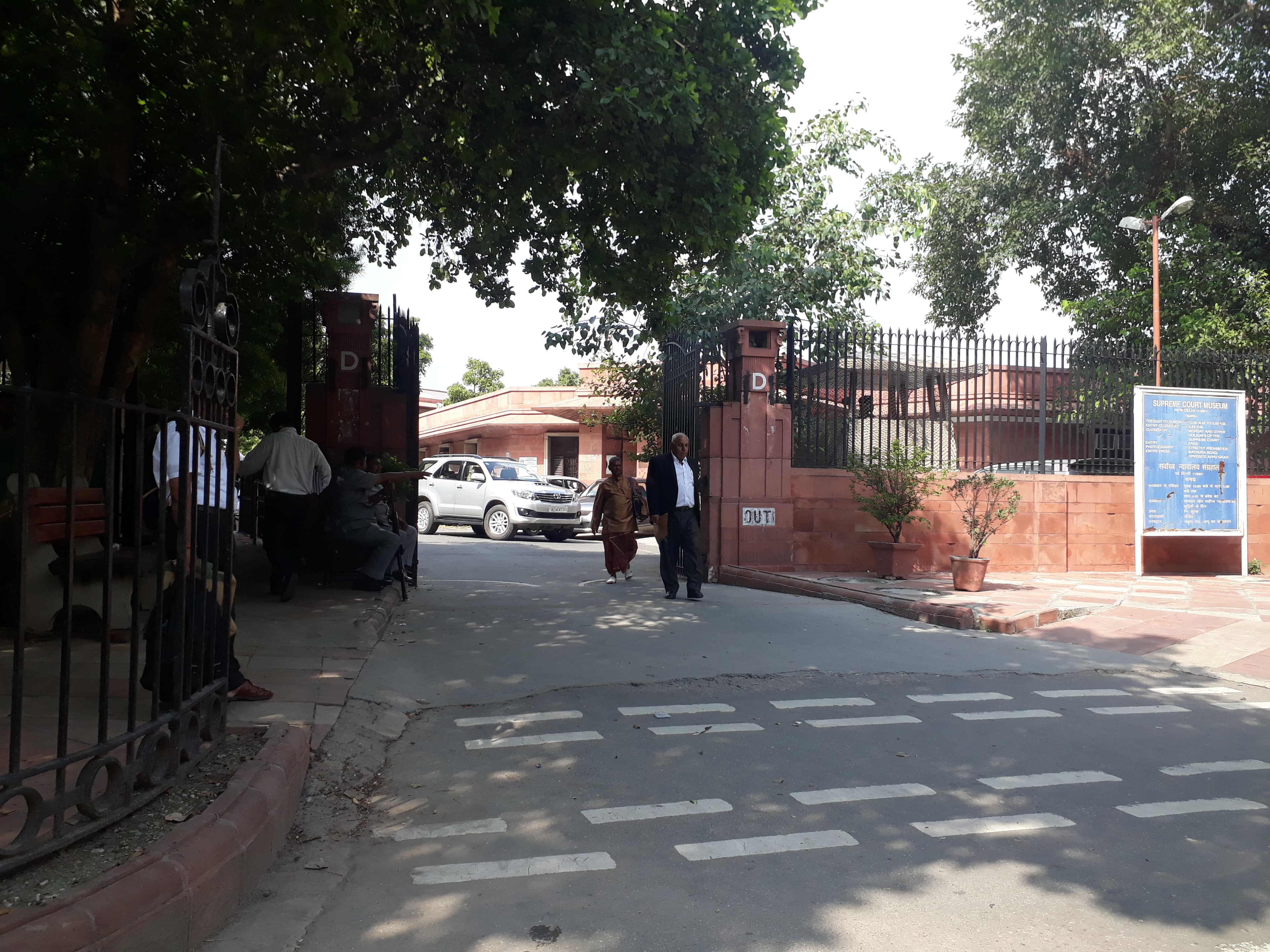
The Supreme Court on Thursday gave the Union government two weeks to say what it will do about mandatory front-of-pack warning labels on packaged foods high in salt, sugar, saturated fat and calories. A bench of Justices J. B. Pardiwala and K. Vinod Chandran said public health cannot be compromised and that the court will consider further directions if the Centre does not move.
The case is a public-interest petition by the NGO 3S and Our Health Society, argued by Rajiv Shankar Dvivedi. The bench linked food safety to the right to life under Article 21. It rejected the Union’s argument that India cannot match labelling standards used in developed countries. “Should India remain as an underdeveloped country? That’s the question we are putting forward for the Union to consider,” the order said.
The numbers the bench put on the record
Obesity among children and adolescents rose from about 2 per cent to 10 per cent between 2000 and 2022, figures cited in the hearing. NFHS-5 data from 2019–21 put overweight or obesity at 24 per cent of Indian women and 23 per cent of Indian men. The government’s own Economic Survey recorded that the ultra-processed food market grew by more than 150 per cent between 2009 and 2023 and that these products are pushing aside older diets.
FSSAI has for years discussed a front-of-pack system. Industry has preferred traffic-light or star ratings that do not use the word warning. Chile, Mexico and several other states use black octagons that name the excess nutrient. That is the model the petitioners want.
The two-week clock does not itself print labels. It forces the health ministry and FSSAI to choose, in writing, between a warning mark consumers can read at arm’s length and another delay. Rajasthan’s High Court this week already barred junk food inside schools and within 50 metres of the gate. The Supreme Court file is the national version of the same argument.