SEBI clears NSE offer for sale of 14.89 crore shares, paving a September listing
The regulator issued its observation letter on 4 September. The issue is entirely an offer for sale, worth about Rs 30,000 crore at unlisted prices near Rs 5 lakh crore. NSE itself will take no proceeds.

Mumbai3 min read
Last updated
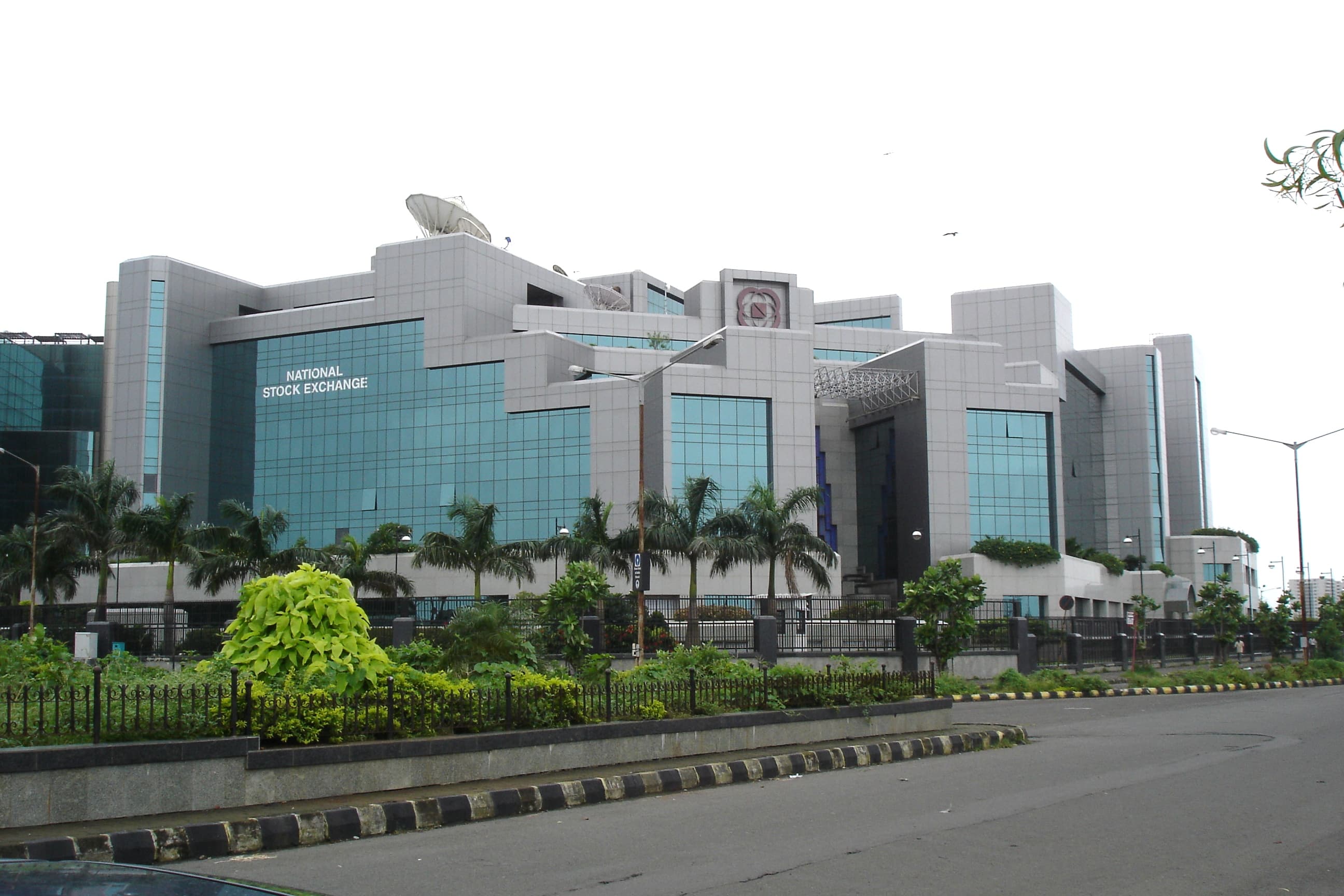
The Securities and Exchange Board of India issued its observation letter on the National Stock Exchange's public offer on Friday, 4 September. That letter is the last formal clearance the exchange needed after it filed a draft red herring prospectus on 17 June. Bankers now expect a price band around 15 September, book-building from about 11 September, and a listing in the week starting 21 September, with a target date near 24 or 25 September.
The issue is an offer for sale of up to 14.89 crore shares, about 6 per cent of paid-up equity. Market talk puts the size near Rs 30,000 crore. That would sit above Hyundai Motor India's Rs 27,870 crore issue in 2024 and would stand among the largest Indian listings, in the same conversation as Jio Platforms' planned Rs 35,000 crore offer, which SEBI cleared last week. NSE's unlisted shares have been changing hands near a Rs 5 lakh crore, or about $55 billion, valuation. On Thursday those shares traded between Rs 1,945 and Rs 2,045. After the clearance, dealers said there were no sellers at the counter.
Who is selling, and who is not
NSE will receive none of the money. The sellers named in coverage of the draft include State Bank of India, SBI Capital Markets, the Canada Pension Plan Investment Board, Bank of Baroda, Stock Holding Corporation of India, General Insurance Corporation, New India Assurance, National Insurance, United India Insurance, and affiliates of Morgan Stanley and Temasek. For those institutions the listing is an exit after years in which the stock could only move in a tightly held unlisted market.
The exchange itself has wanted a listing since 2016. The first attempt stalled after investigations into co-location and dark-fibre access, which alleged that some brokers received faster market data than others. Those cases, and later regulatory files, kept the draft on ice. The Supreme Court recently dismissed SEBI's appeals in the co-location and dark-fibre matters, which removed the last large legal block. The June filing was the restart.
What a listed NSE changes
NSE is the world's largest derivatives exchange by contracts and India's dominant cash-equity venue. It leads BSE on revenue, market share and liquidity. A public listing puts a daily price on that franchise and forces quarterly disclosure of volumes, margins and technology spend. It also raises a mechanical question the regulator has not yet answered in public: whether NSE shares will be allowed to trade on NSE itself through the "permitted to trade" route, or only on BSE.
The 6 per cent float is thin for a company of this size. Price discovery in the first weeks will depend on how much of the OFS lands with long-only institutions and how much with traders who already own the unlisted stock. Vijay Gada of KuberGrow Financials noted the absence of sellers after the news, which is a sign that holders would rather wait for the listed premium than sell in the grey market now.
The calendar risk
An observation letter is not a listing. NSE still has to file an updated red herring prospectus, set a band, run the book and allot shares. The window before 25 September is short. Any delay in the band announcement pushes the listing into October and into the same traffic as other large issues. Jio's clearance last week means two of the country's largest private market names could arrive in sequence.
For the exchange, the decade-long wait is over as a regulatory matter. For the selling banks and insurers, the question is the band. For the market, the question is whether a 6 per cent float can carry a $55 billion name without violent swings once the grey-market premium meets a public order book.
Continue reading
 News
NewsGovernment aircraft hit Taiz about 20 times as the coalition claims four drones
Almanaque Digital DeskTaiz
- News
Twenty-one states sue to restore the power-plant carbon rule the EPA repealed
Almanaque Digital DeskWashington
- Politics
Tokyo court puts voice inside publicity rights, and still dismisses Tsuda's order