Qatar’s prime minister takes a Hormuz corridor plan to Tehran after a tanker is hit
Sheikh Mohammed bin Abdulrahman Al Thani met Abbas Araghchi, Masoud Pezeshkian and Mohammad Bagher Ghalibaf. Doha wants a temporary Iranian-Omani shipping lane and a joint mine-clearance project. Oil through the strait is near 5 million barrels a day, down from about 20 million before the war.

Tehran3 min read
Last updated
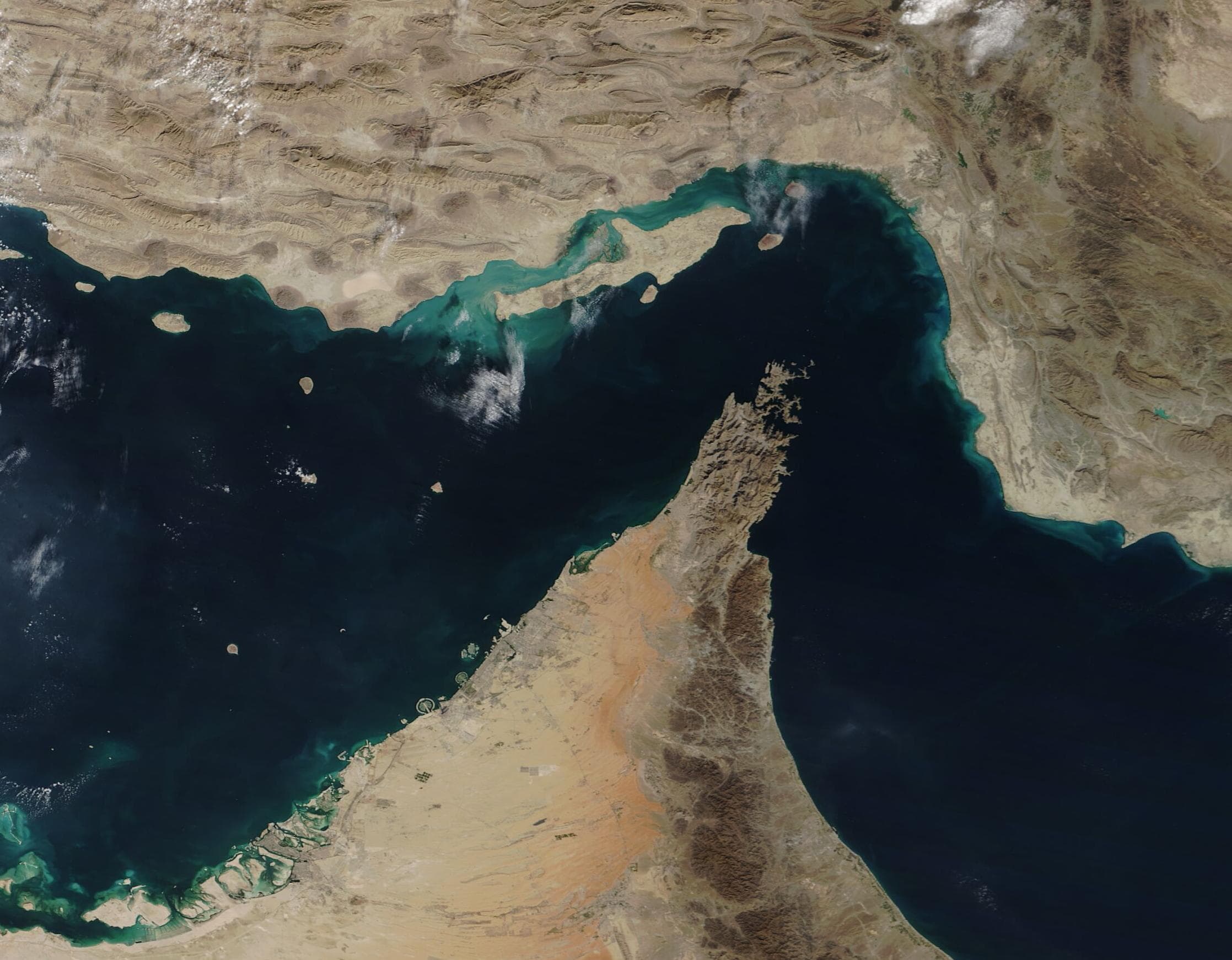
Qatar's prime minister and foreign minister, Sheikh Mohammed bin Abdulrahman Al Thani, spent Thursday in Tehran on the first high-level Qatari visit since the Iran war began on 28 February. He sat with Foreign Minister Abbas Araghchi, President Masoud Pezeshkian and Mohammad Bagher Ghalibaf, who leads Iran's file with Washington. Qatar's foreign ministry said the talks covered conditions for dialogue with the United States and freedom of navigation in the Strait of Hormuz, including a proposed temporary shipping corridor and a joint project to clear mines.
The visit followed a Tuesday incident in the strait. The United Kingdom Maritime Trade Operations agency reported that an unidentified projectile hit a tanker, started a fire that was later put out, and left the crew accounted for. Last month Doha accused Iran of targeting one of its own gas tankers. Qatar hosts a major U.S. air base and helped broker the June pause that briefly stopped the shooting. That pause did not reopen the waterway to pre-war traffic.
What the corridor would do
Qatar and Iran discussed a phased framework that would create a temporary joint Iranian-Omani shipping lane through the strait and pair it with mine clearance. Sheikh Mohammed wrote after the meetings that dialogue remains the right path and that freedom of navigation should return to the status that existed before 28 February. Iranian spokesman Esmail Baghaei cast the visit as a continuation of Qatari mediation. A senior Iranian source told Reuters this week that a separate revenue-sharing idea with Oman over the strait has not been finalised, after the Islamic Revolutionary Guard Corps claimed a deal existed.
Oil moving through Hormuz has fallen to about 5 million barrels a day, against roughly 20 million barrels a day before the war. The strait is about 34 kilometres across at its narrowest point. Traffic lanes are two nautical miles wide. Before February, about 30 percent of seaborne oil and a large share of liquefied natural gas passed that gap. Iran has treated control of the waterway as leverage and has talked about charging transit fees, which Washington rejects. Mohsen Rezaei, secretary of Iran's Supreme National Security Council, said Tehran is preparing conditions for a reopening after mediators asked for one.
Six months and no timetable
President Donald Trump told Al Jazeera this week that he has no time schedule for returning to the table with Iran and that he is not in a hurry. Tehran calls new U.S. sanctions economic warfare. Araghchi has asked the United Nations to condemn them. The June ceasefire that Qatar helped write was meant to lead to talks. It led instead to a long pause in diplomacy and a short pause in fire.
Doha is trying to keep a channel open while its own tankers are at risk and while its American ally tightens the economic screws. The corridor plan is narrower than a peace deal. It asks Iran and Oman to mark a lane, sweep mines and let commercial hulls through. If that lane opens, freight rates and European fuel bills that have already jumped since March would have a path down. If it stays on paper, the 5-million-barrel figure becomes the new normal and the projectile that hit a tanker on Tuesday stays a warning rather than an exception.
Sheikh Mohammed's itinerary included the president and the lead U.S. negotiator, not only the foreign minister. That is a signal that Doha wants a political yes, not a working-level memo. Iran has not said whether a corridor can exist while it still bars IAEA inspectors from the nuclear sites that American and Israeli strikes damaged. Those two files will travel together whether mediators like it or not.
Continue reading
 News
NewsWarsh faces his first Jackson Hole speech with claims down and the rate path unmarked
Almanaque Digital DeskJackson Hole
- News
ALMA shows Betelgeuse’s lumpy atmosphere and a hotspot that has lasted years
Almanaque Digital DeskSantiago
- News
Pakistan and Kuwait sign a defence cooperation pact in Islamabad
Almanaque Digital Desk