
Palestinian artist Sliman Mansour, painter of the land and sumud, dies at 79
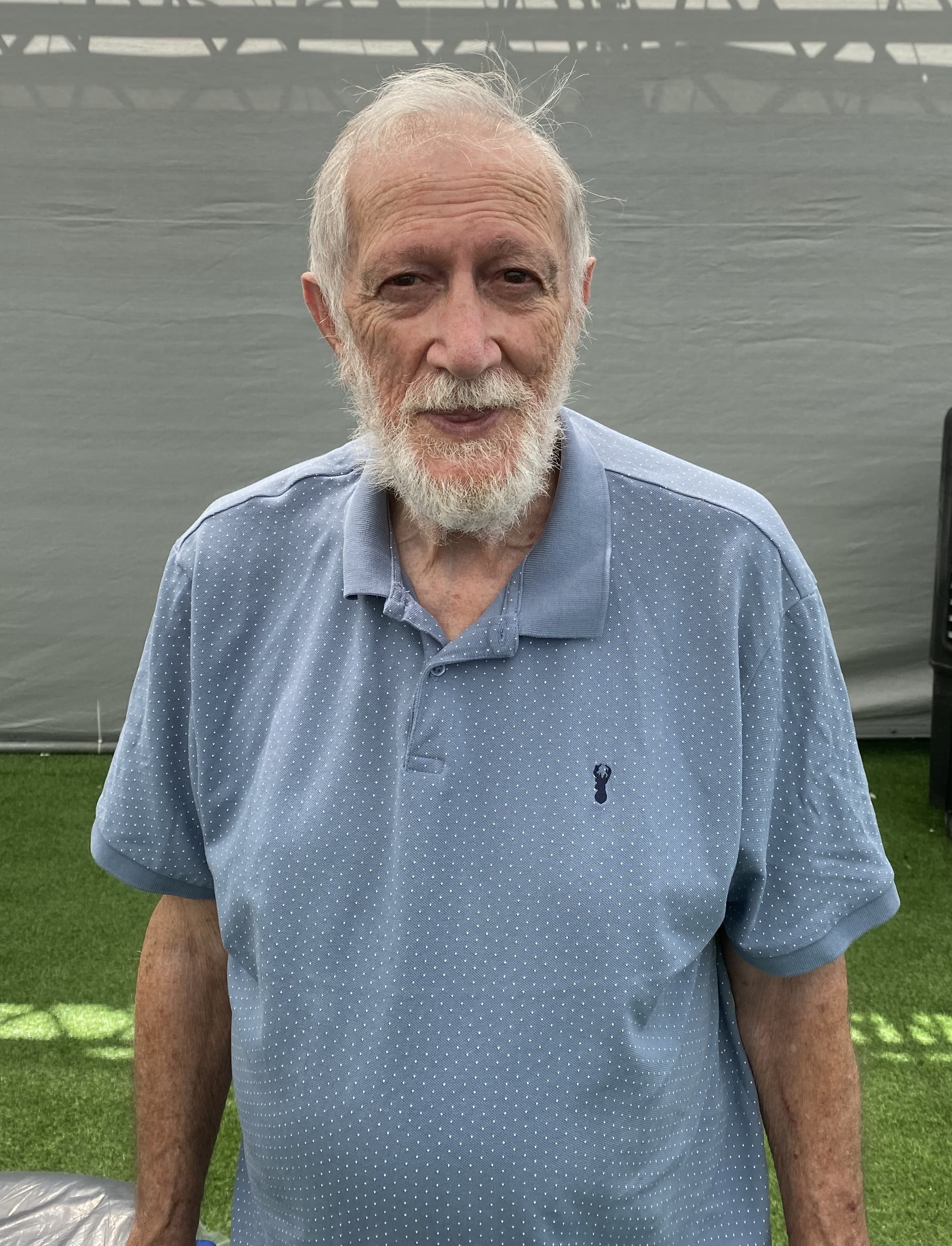
Sliman Mansour, whose paintings of Palestinian women, olive trees and the Camel of Hardship shaped a visual language of steadfastness for more than five decades, has died at 79. His family announced the death on 24 August 2026.

Ramallah2 min read
Last updated
Sliman Mansour, one of the central figures in contemporary Palestinian painting, died on 24 August 2026 at the age of 79. His family posted the news on his verified Instagram account after an earlier message that he was in critical condition. No cause of death was given.
Born in 1947 in Birzeit, north of Ramallah, Mansour spent more than fifty years making images that fixed Palestinian experience of land, displacement and endurance in a recognisable visual vocabulary. His best-known work, Camel of Hardship, shows a figure bent under a heavy load that is also a map of Palestine. The painting became an emblem of sumud, the idea of remaining rooted despite pressure.
Mansour co-founded the League of Palestinian Artists and led it from 1986 to 1990. During the First Intifada he joined Vera Tamari, Tayseer Barakat and Nabil Anani in the New Visions collective. The group stopped buying Israeli art supplies and began working with mud, henna and other materials found in the West Bank. The shift was practical and political: it refused dependence on the occupying power and forced the artists to invent new techniques from local earth.
His subjects stayed consistent. Women in embroidered thobes, olive trees under hard light, village architecture, and solitary figures carrying the weight of history appear again and again. The colours are often earth tones, the compositions quiet but insistent. Critics and fellow artists have noted that the work does not shout; it simply refuses to disappear.
Mansour studied at the Bezalel Academy of Art and Design in Jerusalem. He exhibited widely and remained based in the West Bank. In later years he spoke about the difficulty of concentrating while news from Gaza and the West Bank continued. He produced fewer paintings after October 2023, saying the constant reports made focus hard.
The family statement described him as a source of love and strength at home and left the public with a body of work that still circulates in exhibitions, books and private collections. Funeral arrangements were to be announced later.
Mansour’s paintings continue to appear in collections that document Palestinian visual culture of the late twentieth and early twenty-first centuries. The Camel of Hardship and the mud works of the Intifada years remain the pieces most often cited when the conversation turns to art made under occupation.
Continue reading
 Geopolitics
Oil Prices Fall as Markets Absorb New US Sanctions on Iran
Almanaque Digital DeskGlobal markets
- Tech
Chinese Humanoid Robot Beats Usain Bolt's 100-Metre Record at Beijing Games
Almanaque Digital DeskBeijing
- News
US Supreme Court Allows Trump Restrictions on Mail-In Ballots
Almanaque Digital DeskWashington