Nepal flood toll hits 270 as 288 Indians stay uncontactable
Police recovered 93 more bodies on Thursday. MEA said 21 Tamil Nadu pilgrims were pulled out and that 73 of the missing Indians worked at the Trishuli power project. ISRO images show two-thirds of a glacier body detached upstream.

Kathmandu3 min read
Last updated
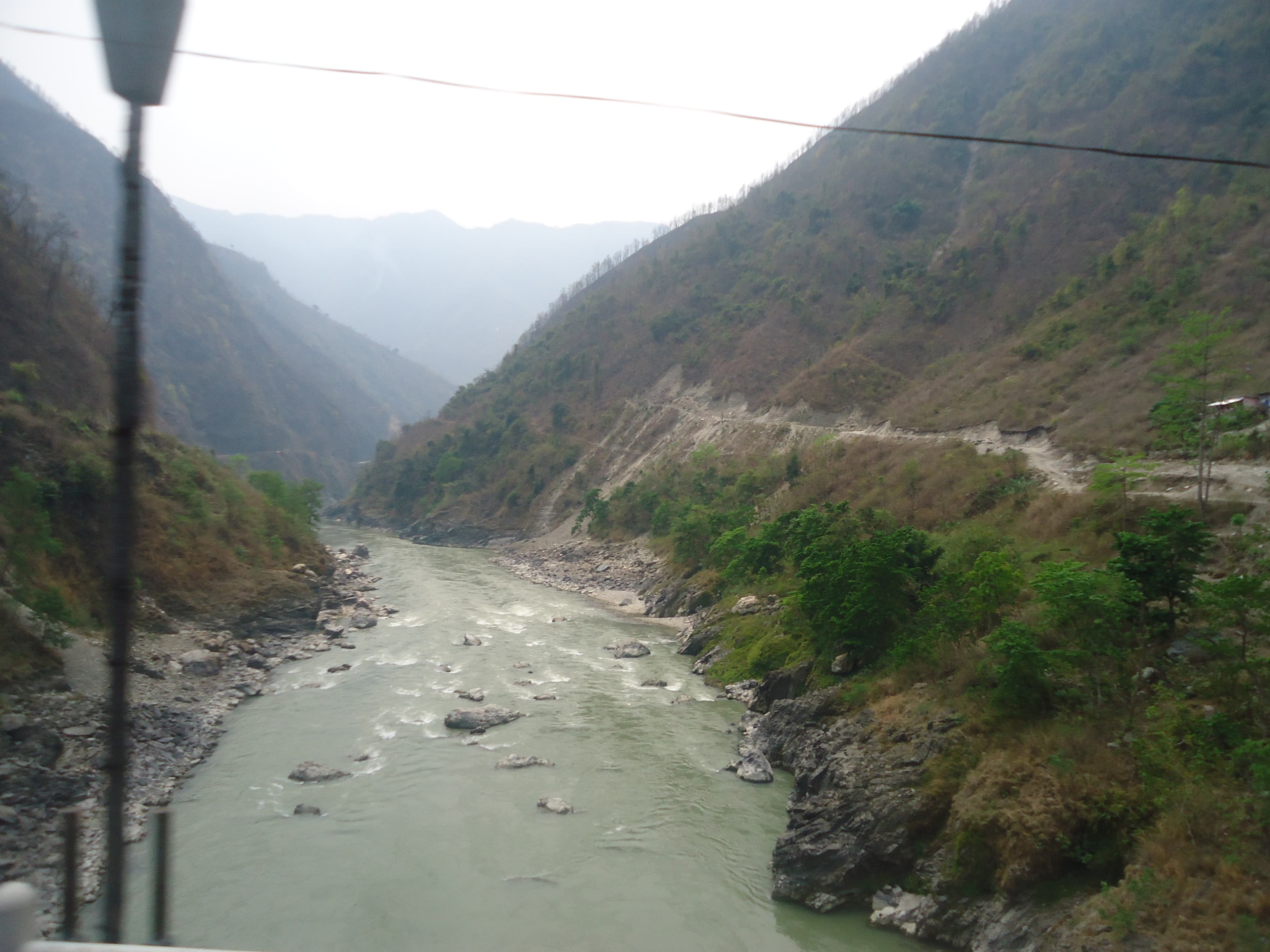
Nepal Police said on Thursday that the death count from Wednesday’s flash floods had risen to 270 after crews recovered 93 more bodies along the Bhotekoshi and Trishuli corridor. India’s Ministry of External Affairs put the number of Indian nationals still out of contact at 288, including 73 workers at the Trishuli hydropower project. Twenty-one pilgrims from Tamil Nadu were rescued and are being brought home.
Police spokesperson Abi Narayan Kafle listed the recoveries by district: 108 in Chitwan, 62 in Nawalparasi East, 27 in Dhading, 20 in Gorkha, 17 in Rasuwa, 15 in Nawalparasi West, 12 in Nuwakot and nine in Tanahun. Identification is incomplete. The National Disaster Risk Reduction and Management Authority said 590 of those missing were tourists, 476 of them foreigners from more than 30 countries.
MEA spokesperson Randhir Jaiswal briefed reporters in New Delhi the same afternoon. He said the 288 missing Indians included tourist groups headed for Kailash Mansarovar and Gosainkunda as well as project staff. Among the missing are groups of 37 and 49 people from Tamil Nadu, 32 from West Bengal, 33 from Kerala and 61 from other states. About 200 Indians on the Tibetan side have asked for help, 95 of them in Darchen and moving toward Hilsa, four in Jilong, and 30 in Zutulphuk on the way to Saga.
Jaiswal said India would send aid as Kathmandu requested and would not treat the disaster as a consular scoreboard. A second Indian aircraft had already lifted 37.5 tonnes of medicines and food after Wednesday’s 10-tonne C-130J load. Nepal’s embassy in New Delhi thanked New Delhi on Thursday morning.
What the satellites recorded
ISRO’s National Remote Sensing Centre compared Resourcesat-2A AWiFS frames taken at about 10.30 a.m. IST on 26 August with earlier Sentinel-2 and Landsat-9 scenes. The agency said almost two-thirds of a glacier body adjacent to the Trishuli, close to the Nepal-Tibet line, detached. The sequence it listed was an ice-rock avalanche, a short river blockage, then a sudden release of water and debris. The Bhote Koshi channel widened. Floodwater left the normal banks.
The United States Geological Survey had already recast a signal first logged as a 4.4 earthquake as ice and rock falling about 1.2 kilometres. Nepali officials said the Trishuli rose by as much as nine metres in half an hour. Rasuwagadhi, Timure and Syabrubesi took the first hit. The surge then ran into Chitwan and the lower valley.
Forty-four Nepal Army personnel, 28 Nepal Police officers and 13 Armed Police Force members remain unaccounted for. Around 160 people attached to hydropower and customs posts have not been traced. Foreign counts circulating with tourism boards include 63 Americans, 34 Australians, 33 Britons, 25 Canadians and 55 Malaysians listed as uncontactable. South Korea sent a rapid-response team for nine of its nationals. Australia offered help after reporting 34 citizens missing.
Where the search is stuck
Rain, mud and broken roads still keep helicopters off some slopes. Prime Minister Balendra Shah was in Nuwakot on Thursday. Bihar Chief Minister Samrat Choudhary flew over Bagaha, Valmiki Nagar, Bettiah and Motihari after water crossed into Indian border blocks. The same week India’s monsoon stands 13 percent below normal in much of the country, a separate fact that does not explain a glacier failure at 4,000-plus metres.
The disaster sits on a pilgrimage and trade artery. Kailash-bound groups use the Rasuwa crossing. Gyirong Port on the Chinese side was filmed under debris. Hydropower plants on the Trishuli are both workplaces and potential choke points if reservoirs or intakes took mud.
Thursday’s numbers will move again. The useful record so far is the district-wise body count, the MEA split between project workers and pilgrims, the 21 Tamil Nadu rescues, the 200 Indians asking for help in Tibet, and ISRO’s two-thirds glacier-body estimate. Those points are firmer than any running total of the missing.