Madras High Court lifts a statewide bar on temple elephants
Chief Justice Dharmadhikari and Justice Arul Murugan set aside a 2023 single-judge order. Temples may again accept donated captive elephants under the 2011 Rules. Welfare directions for one elephant, Lalitha, stand.

Chennai2 min read
Last updated
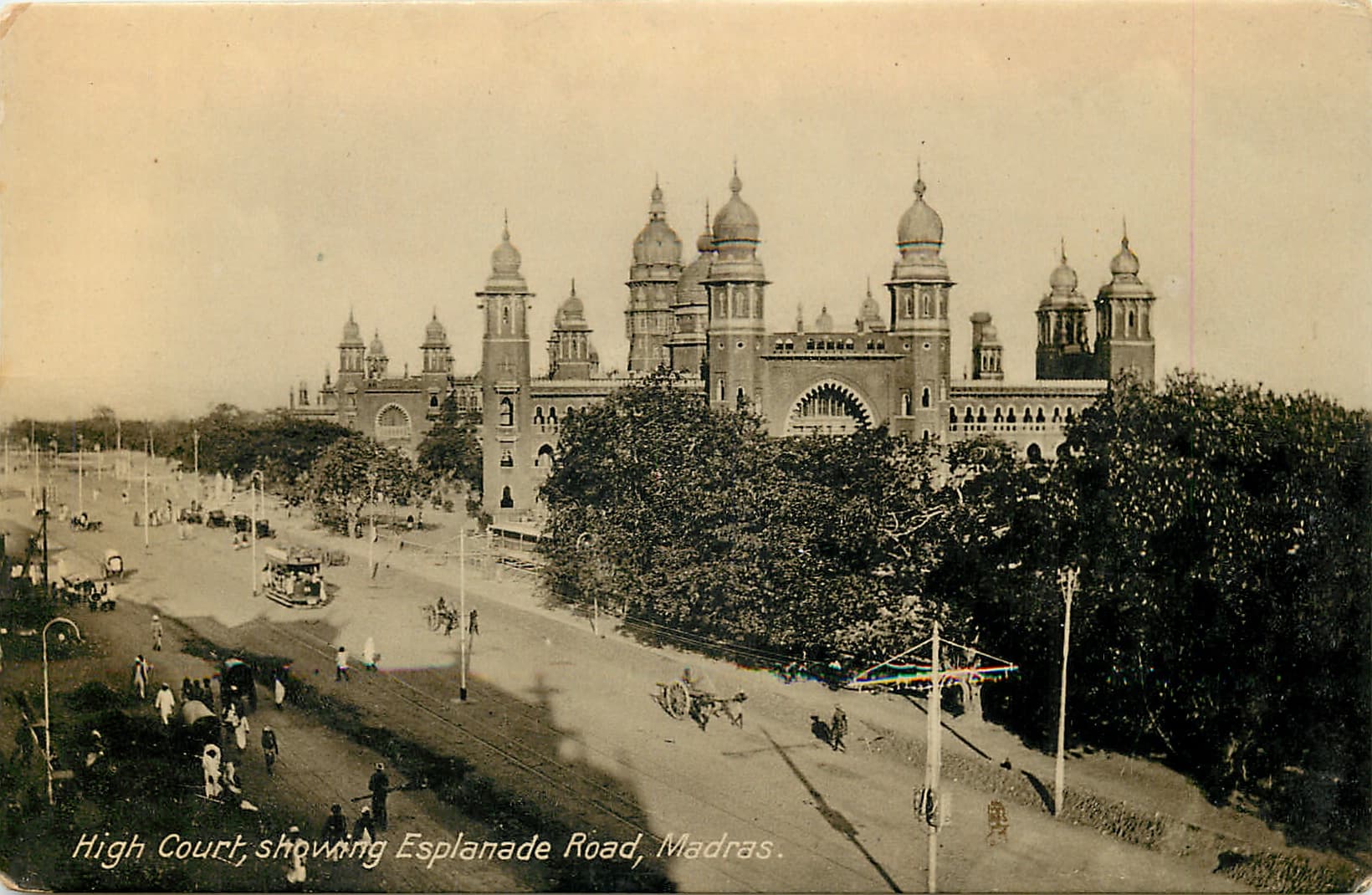
A Division Bench of the Madras High Court on 2 September set aside a February 2023 order that had told every temple in Tamil Nadu to stop acquiring elephants and had asked the state to consider moving all captive elephants, in temples and in private hands, into government rehabilitation camps.
Chief Justice Sushrut Arvind Dharmadhikari and Justice G. Arul Murugan allowed appeals by the Arulmigu Sri Subramania Swami temple at Tiruchendur and by the state government. Their reason was procedural first and statutory second. The single judge had issued statewide commands in a case about one animal, without hearing the temples or the state that those commands bound.
How a transfer dispute became a statewide ban
S.G.M. Shaa, also known as Sheik Mohammed, bought a female elephant named Lalitha in 2000 and later applied to have ownership put in his name. The Principal Chief Conservator of Forests and Chief Wildlife Warden rejected that application on 23 March 2020. Shaa challenged the rejection. In deciding that writ, the single judge on 27 February 2023 went well beyond Lalitha. He directed inspections of temple and privately held elephants, a study of shifting them to rehabilitation camps, and an instruction from the Hindu Religious and Charitable Endowments Department that temples acquire no more elephants.
The Division Bench said a court cannot, while deciding one ownership dispute, write a policy that treats every other holder as if they had been heard. Temples that keep elephants were strangers to the original file. They had no chance to place their case.
What the 2011 Rules already say
The Tamil Nadu Captive Elephants (Management and Maintenance) Rules, 2011, framed under Section 64(2)(f) of the Wildlife (Protection) Act, 1972, already regulate possession, housing, feed, work, transport and retirement. Rule 3 permits temples to receive elephants donated by others. The Bench said subordinate legislation of that kind has the force of law until a competent forum sets it aside or the rule-making authority amends it. A single judge cannot override it by a direction in an unrelated petition.
The judges also corrected a reading of a September 2021 Division Bench order. That earlier order barred fresh capture of wild elephants and protected animals already in captivity. It did not ban a temple from accepting a donation of an elephant that was already captive.
Welfare directions specific to Lalitha remain. The statewide inspection order, the camp-shift study, and the acquisition ban do not.
What changes on the ground
Temple boards that had frozen donations can now process them again, subject to the 2011 Rules and to permission from wildlife authorities. Animal-welfare groups that wanted every temple elephant moved to a camp will have to bring a fresh case that actually challenges the Rules and that makes the temples parties.
The judgment is not a finding that temple elephants are well kept. It is a finding that a court cannot invent a ban the statute does not contain, in a case that did not ask for one, against parties who were not in the room. Captive-elephant numbers in Tamil Nadu are small. The legal point is larger. Statewide animal policy, the Bench said, has to travel through the Rules or through a proceeding that names the people it binds.
Continue reading
 News
NewsCrew-13 lifts off at 11:10 a.m. with a docking aimed at the fastest US arrival
Almanaque Digital DeskCape Canaveral
- News
Datafolha puts Lula four points ahead of Flavio Bolsonaro, and the runoff inside the margin
Almanaque Digital DeskSao Paulo
- News
Chinese refiners hold October fuel exports, and Singapore diesel jumps then fades