IMF says world absorbed Hormuz oil shock better than feared, credits AI boom
Kristalina Georgieva described a tug of war between Gulf energy disruption and spreading data-centre investment ahead of next week’s G20 finance meeting in Asheville.

Washington4 min read
Last updated
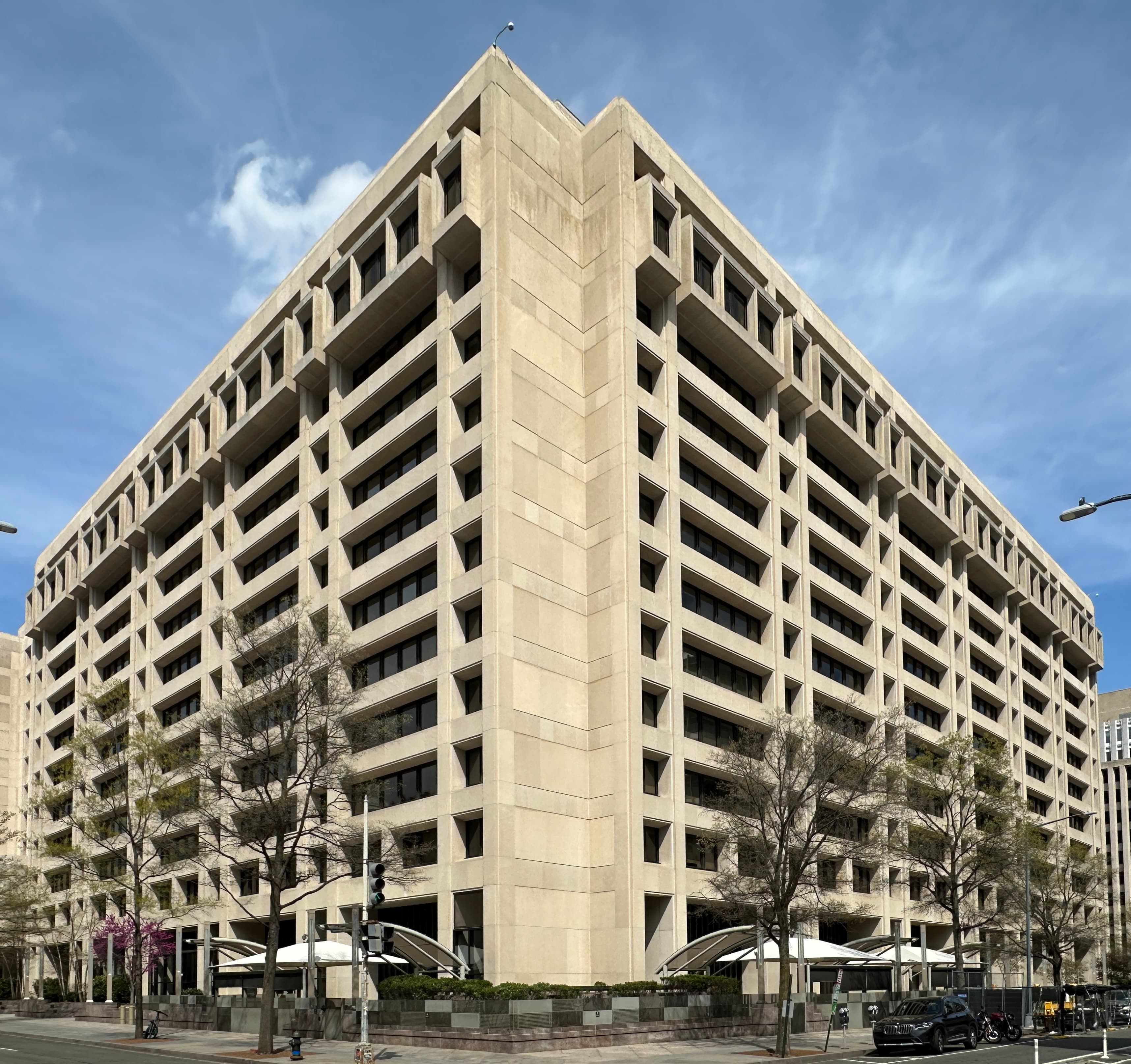
The global economy has absorbed the energy shock from the closure of the Strait of Hormuz “better than we feared,” International Monetary Fund Managing Director Kristalina Georgieva told reporters on Tuesday, even as she described a tug of war between that shock and a boom in artificial intelligence investment. She spoke at IMF headquarters in Washington ahead of next week’s gathering of G20 finance ministers and central bank governors in Asheville, North Carolina.
Before the Iran war began on 28 February, the strait carried about 20 percent of the world’s oil and gas shipments, with roughly 130 merchant vessels passing each day. It is now effectively blocked. Oil prices have swung. European energy bills have stayed high. In July the Fund projected global growth of 3 percent this year, down from 3.5 percent last year, and a rebound to 3.4 percent in 2027.
Georgieva listed the buffers that have so far limited the damage: drawdowns of oil and gas reserves, extra supply from outside the Gulf, weaker energy demand, more renewable capacity, and a return to coal generation in some countries. Those buffers are finite. She warned that shrinking stockpiles and the approach of Northern Hemisphere winter could still feed inflation through transport, manufacturing and household bills.
AI as a second shock, in the opposite direction
“What started out as a US phenomenon with AI is now becoming a growth engine for the global economy, with other countries ramping up construction of data centres and other infrastructure,” she said. Corporate earnings and consumer demand in the United States remain strong. The Fund’s language treats AI spending as a positive demand shock that is starting to spread beyond American borders through hardware production and construction.
The two forces do not cancel evenly. “The net impact of these two forces is asymmetric across countries and depends on their exposure to energy disruptions, macroeconomic vulnerabilities, and their position in the AI chain,” Georgieva said. Energy importers without a role in chips, servers or data-centre buildouts face the oil hit without the investment tailwind. Countries that sell energy and also host AI infrastructure sit at the other extreme.
She added that countries left out of the AI boom could fall further behind. That is a distributional warning, not a growth forecast. It implies a split inside the G20 between members writing the software and pouring concrete for compute, and members still negotiating fuel cargoes around a closed strait.
Fiscal pressure is the third problem
Georgieva said risks to the outlook are more balanced than they were in April but still tilted to the downside. Rising bond yields, in her account, are evidence of deteriorating fiscal conditions in some countries. Disinflation has stalled. Central banks may have to keep policy tight for longer. High public debt, stubborn inflation and trade tensions remain the “powerful headwinds” that growth is resisting.
The combination is awkward for finance ministers who will sit in Asheville. They cannot restock strategic petroleum reserves and cut deficits at the same time without a growth surprise. They cannot ease financial conditions if energy prices jump again when winter demand rises. Georgieva did not present a single policy prescription. She presented a map of tensions.
Trade policy sits inside those tensions. The United States and Canada are in a tariff exchange. Secondary sanctions on Iran, announced this week as Operation Economic Outcast, aim to isolate remaining Iranian revenue in shipping, aviation, gold, technology and digital assets. Those measures can raise costs for third countries that still buy Iranian crude or use Iranian-linked ships. The Fund’s “better than feared” line assumes that energy markets keep finding workarounds. Sanctions designed to close workarounds cut against that assumption.
What better than feared does not mean
It does not mean the shock is over. Georgieva said the disruption to energy supplies has not yet run its course. Reserve drawdowns cannot be repeated indefinitely. Coal substitution collides with climate targets that many of the same governments still formally hold. Renewable additions help at the margin but do not replace the barrels that used to move through Hormuz in a matter of months.
It also does not mean the AI boom is a free good. Data centres pull large amounts of electricity. In grids that already face high gas prices, that extra load is another claim on scarce power. The Fund has not yet published a full accounting of how much of the AI investment wave is real productive capital and how much is a valuation story. Georgieva treated the construction and earnings data as real enough to name as a growth engine.
G20 ministers will arrive in Asheville with different exposures to the same two shocks. The communiqué they produce will have to cover oil, debt, inflation and computing infrastructure without pretending those files are separate. Georgieva’s briefing was an attempt to put them on one page before the meeting starts.
Continue reading
 News
NewsChrista Pike discharged from hospital and returned to Tennessee prison after surviving lethal injection
Almanaque Digital DeskNashville, Tennessee
- News
Hurricane Simon strengthens to Category 4 as it nears Mexico's Pacific coast
Almanaque Digital DeskManzanillo, Mexico
- News
Nine killed in Erie, Pennsylvania mass shooting including two children and a pregnant woman