ICE memo tightens internships for international students; UCLA and Berkeley pause CPT
A 24 August SEVP memo says Curricular Practical Training is allowed only when the work is an integral part of the established curriculum. Universities that ignore it risk losing the right to enrol foreign students. UCLA and UC Berkeley have frozen some authorisations while they read the text.

Washington3 min read
Last updated
The Student and Exchange Visitor Program at U.S. Immigration and Customs Enforcement sent colleges a memo dated 24 August that narrows Curricular Practical Training for students on F-1 visas. CPT is the main route that lets international undergraduates and graduates take paid internships before they finish a degree.
SEVP wrote that it has “observed a rise in Curricular Practical Training authorizations that appear to violate regulatory requirements which permit CPT only where the training is an integral part of an established curriculum.” The memo adds that failure to comply “may result in an institution losing certification to enroll foreign students.”
That last sentence is the lever. Certification under SEVP is what allows a university to issue the Form I-20 that a student needs for a visa. Losing it would close the foreign-student pipeline at that campus.
What the rule now requires
Federal regulations have always said CPT must be integral to the curriculum. In practice many graduate programmes, especially in business, computer science and data fields, treated Day-1 CPT as a work permit that started as soon as the student enrolled. Employers used it as a bridge when H-1B lottery odds were poor. About 195,000 foreign students held Optional Practical Training authorisation in 2024, a separate post-graduation programme. CPT numbers sit underneath that figure and are harder to count because schools issue them directly.
The August memo tells schools the internship must be required for all students in the course, American and international alike, and that the employer should have a partnership with the institution. That reading knocks out a large share of “elective” CPT used by master’s students who enrolled mainly to keep working.
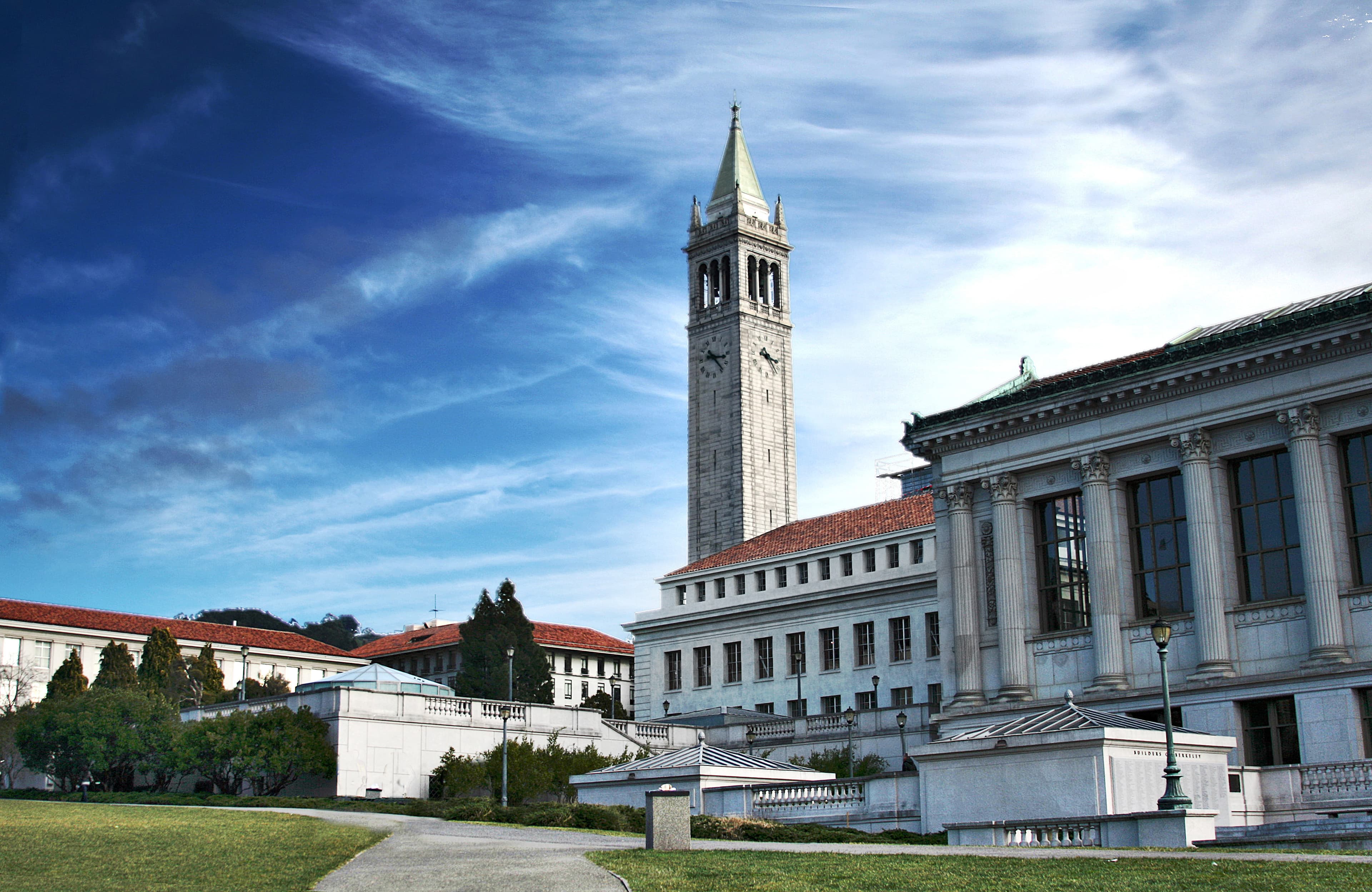
UC Berkeley’s international office told students the memo was “more narrow in focus, more direct, and includes content that is more restrictive in nature.” UCLA said it had “paused certain Curricular Practical Training authorizations while it reviews recent federal guidance and determines next steps.” Other campuses have not yet published a public response, but registrars and international offices spent Thursday and Friday reading the text against their own CPT handbooks.
How this fits the wider student-visa shift
The memo arrives after a final rule issued in July that ends “duration of status” for most F-1 visas. Under the old practice a student stayed legally for as long as they were making progress toward a degree. The new rule caps the initial grant at four years, or less if the programme is shorter, and forces a petition to USCIS for any extra time, including time used for Optional Practical Training after graduation.
USCIS Director Joseph Edlow has said the Immigration and Nationality Act is “unambiguous” that student visas are for study, not work after graduation. A federal judge in Rhode Island, John J. McConnell Jr., earlier blocked a separate USCIS pause on benefits for people from 40 countries, calling it discriminatory. USCIS said it disagreed with that order but would follow it pending appeal. The CPT memo is a different instrument. It regulates the schools rather than the individual filings.
Who feels it first
Students already in a programme that promised an internship this autumn now need a new reading from their international office. Employers who budgeted for CPT interns in software, consulting and finance will have to check whether the university still has a written partnership and whether the work is required of every student in the degree. Some will switch those roles to part-time campus jobs or drop the hire.
University officials quoted in the Wall Street Journal said they worry the change will speed an enrolment decline that has already begun under tighter visa processing. International tuition is a large share of revenue at many public flagships and private research universities. A campus that loses SEVP certification would lose that revenue in a single cycle.
The memo does not repeal CPT. It tells schools to treat the existing regulation as a limit rather than a ceiling they can interpret loosely. UCLA and Berkeley have already chosen to stop some paperwork until their lawyers finish that reading. Other institutions will have to decide, before the next internship term, whether they can still sign the form.
Continue reading
 News
NewsFlores quake toll reaches 111, the deadliest in Indonesia since 2022
Almanaque Digital DeskRuteng
- News
Hyundai and its union reach a wage deal after the first full-day strike in a decade
Almanaque Digital DeskUlsan
- News
Penguin India drops Sonia Gandhi’s memoir after she refused cuts
Almanaque Digital Desk