Houthi push toward Bab al-Mandab leaves 129 dead in two days of fighting
AFP’s tally from military and medical sources put government losses at 66 and Houthi losses at 62, plus one civilian. Rebels seized high ground above Mokha and Taiz after breaking a 2022 truce in July.

Sanaa2 min read
Last updated
Clashes that began on 4 September between Yemen's Houthis and government forces had killed 129 people by 5 September, according to an AFP tally drawn from military officials and medical sources. A government officer put his side's dead at 66. Medical and military sources close to the Houthis put rebel dead at 62. One civilian was also killed.
Sources described the fighting as the deadliest inside Yemen in years and the fiercest since 2021. It started when Houthi units opened a ground assault backed by rockets and drones on the Red Sea coast and around Taiz.
The objective is the strait
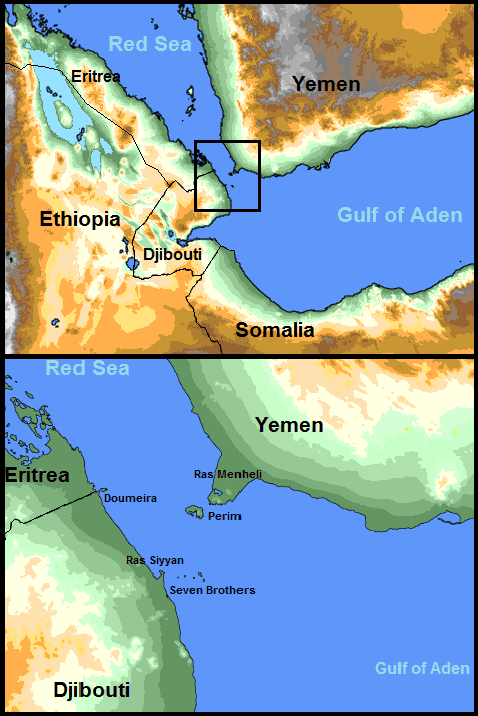
Government military sources told AFP the rebels want to cut off Mokha, the government-held port that has been under fire for weeks, and push toward ground that borders the Bab al-Mandab. The strait is 29 kilometres wide at its narrowest and sits at the southern gate of the Red Sea. Ships that use Suez pass through it.
The Houthis do not control the shoreline that touches Bab al-Mandab. They do control Hodeida, the main port north of Mokha. Mohammed al-Basha of the US-based Basha Report put the aim in four words: "They are going for Bab al-Mandab."
Rebels seized elevated ground overlooking government positions near the Red Sea, the town of al-Khokha and Taiz, a military source and a Taiz official said. Those ridges matter because a missile or drone launched from high ground above the shipping lane does not need to hold the beach.
How the truce broke
Yemen's civil war is more than a decade old. A 2022 truce between the Houthis and the Saudi-backed government had frozen the main fronts. That freeze ended in July, when the Houthis were pulled into the wider Middle East war. Since then they have imposed a maritime blockade on Saudi shipping and attacked vessels in the Red Sea, using the same corridor they first disrupted after October 2023 in solidarity with Hamas.
The Red Sea is now a substitute route for oil that can no longer move freely through the Strait of Hormuz because of the Iran war. A second choke point in Houthi hands would stack two bottlenecks on the same energy map.
The local numbers
Early on 5 September a coastal official counted 24 government dead on the Red Sea front and a Taiz official counted 15 inland. Those partial figures were overtaken by the later combined tally of 66. On the Houthi side the first medical count was 42, later 62.
Xinhua, citing medical officials, reported 40 government soldiers and 50 Houthi fighters at one point in the day. The AFP compilation is the widest single count available and still rests on anonymous sources on both sides. Body counts in Yemen routinely move after the first 48 hours.
Government reinforcements have been sent to the western front. The rebels already hold the high ground they wanted on day one. Whether they can turn that into a position that can hit ships in the strait is the question that now sits with navies as well as with Yemeni units around Mokha.
The 2022 truce is finished. The fight that replaced it is aimed at a waterway that carries a large share of Europe-Asia trade. The 129 dead are the first bill for that shift.
