FDA clears daraxonrasib, a RAS pill that nearly doubled survival in metastatic pancreatic cancer
In the 500-patient RASolute 302 trial, median overall survival was 13.2 months on Rasonque against 6.7 months on chemotherapy. The hazard ratio for death was 0.40. Revolution Medicines listed the drug at $39,800 a month. The agency finished the review 6.5 months early.
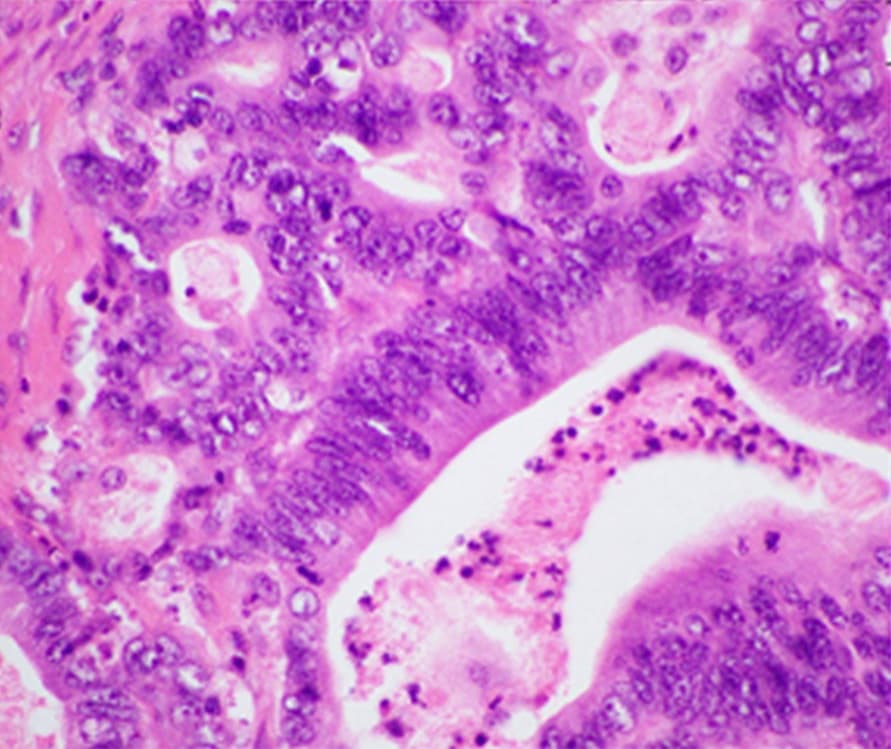

Silver Spring2 min read
Last updated
The Food and Drug Administration approved daraxonrasib on 26 August for adults with metastatic pancreatic adenocarcinoma who have already had at least one systemic treatment, or who cannot take multi-drug chemotherapy. The brand name is Rasonque. The maker is Revolution Medicines. The agency finished the file 6.5 months before the user-fee deadline and 35 days after it accepted the application.
In RASolute 302, a randomised, open-label study of 500 previously treated adults, median overall survival was 13.2 months on the pill and 6.7 months on standard chemotherapy. The hazard ratio for death was 0.40, a 60 percent cut in the risk of dying during the trial window. Median progression-free survival was 7.2 months against 3.6 months. The objective response rate was 31.6 percent against 11.2 percent. Among patients with a known RAS G12 mutation, the response rate was 33.2 percent against 11.8 percent.
Why RAS mattered
About 90 to 95 percent of the 67,000 new pancreatic cancer cases in the United States each year are adenocarcinoma. More than 90 percent of those tumours carry a RAS mutation, most often in KRAS. Drugmakers spent decades trying to shut that switch and mostly failed. Daraxonrasib is a multi-selective RAS(ON) inhibitor. It acts as a molecular glue with cyclophilin A and blocks RAS signalling while the protein is in its active state.
Brian Wolpin of Dana-Farber led the phase 3 work. Angelo de Claro, director of the FDA Oncology Center of Excellence, called the survival numbers unusual for this disease. Acting commissioner Kyle Diamantas said the file was moved because the condition is severe and the options were thin.
The drug is two pills a day in some reports and a once-daily tablet in others. The FDA label and the company launch treat it as an oral medicine that is already commercially available in the United States. Common side effects listed by the agency include rash, diarrhoea, mouth sores, nausea, fatigue, vomiting, belly pain, swelling, loss of appetite and bleeding.
Price and reach
Revolution Medicines set a list price of $39,800 a month, about $478,000 for a year. Insurers are expected to cover most of that for eligible patients. Out-of-pocket costs will vary by plan. The company had Breakthrough Therapy and Orphan Drug designations before approval.
The label is second-line, not first-line. Patients who can still take combination chemotherapy as their first treatment are not the indicated group. That keeps FOLFIRINOX, gemcitabine plus nab-paclitaxel, and the newer NALIRIFOX mix in place at diagnosis. What changes is the option after those regimens stop working.
Pancreatic adenocarcinoma still accounts for a small share of diagnoses and a large share of cancer deaths, because it is found late and spreads early. Median survival on older second-line chemotherapy sat under seven months in this trial. Thirteen months is not a cure. It is the first time a targeted RAS drug has moved that number by this much in a randomised study of this size.
The next questions are already written into the data. How the pill behaves in first-line combinations, how long responders stay on it, and whether RAS-wild-type patients gain anything, will be settled in later trials. For now the approved use is narrow and the survival gap is large.
Continue reading
 News
NewsFlores quake toll reaches 111, the deadliest in Indonesia since 2022
Almanaque Digital DeskRuteng
- News
Hyundai and its union reach a wage deal after the first full-day strike in a decade
Almanaque Digital DeskUlsan
- News
Penguin India drops Sonia Gandhi’s memoir after she refused cuts
Almanaque Digital Desk