Doval and Wang Yi put ‘early and substantial harvest’ into a joint border text
The 25th Special Representatives round in Beijing produced an eight-point document issued a day later by both foreign ministries. It adds two military meeting points and two hotlines. An expert group must first write its own terms of reference. Sikkim and the Middle Sector are the stretches most often named for an early cut.

Beijing2 min read
Last updated
India and China released an identical eight-point outcome document on 26 August, a day after National Security Adviser Ajit Doval and Chinese Foreign Minister Wang Yi met in Beijing for the 25th round of Special Representatives talks. The text commits an Expert Group on Boundary Delimitation and a Working Group on Border Management to “advance discussions on an Early and Substantial Harvest of boundary delimitation and Border Management.” Their first task is to agree on terms of reference.
The two governments have not issued a joint high-level statement of this kind for about a decade. Last year each side put out its own readout. The shared language this week is the news, not a line on a map. No sector was named in the document. No coordinates were published.
The phrase itself grew. At the 24th round in August 2025 the sides agreed to explore an “early harvest.” This week they added the word “substantial.” China had for years preferred a sector-by-sector sequence. India had treated early-harvest talk with caution after the 2020 clashes in eastern Ladakh. The new adjective does not define which kilometres qualify.
What else was written down
Both sides said they would hold the next expert-level meeting on trans-border rivers in September and keep talking about hydrological data. They agreed two extra meeting points for General-level or Senior Highest Military Commander talks, and two additional military hotlines in the Eastern and Middle Sectors. Any incident on the ground is to go through existing diplomatic and military channels, including the Working Mechanism for Consultation and Coordination, so that neither side “misunderstands” a patrol.
The document also repeats the 2005 Agreement on Political Parameters and Guiding Principles as the frame for a final settlement, described as fair, reasonable and mutually acceptable. That sentence has appeared for years. It sits beside the early-harvest language rather than replacing it.
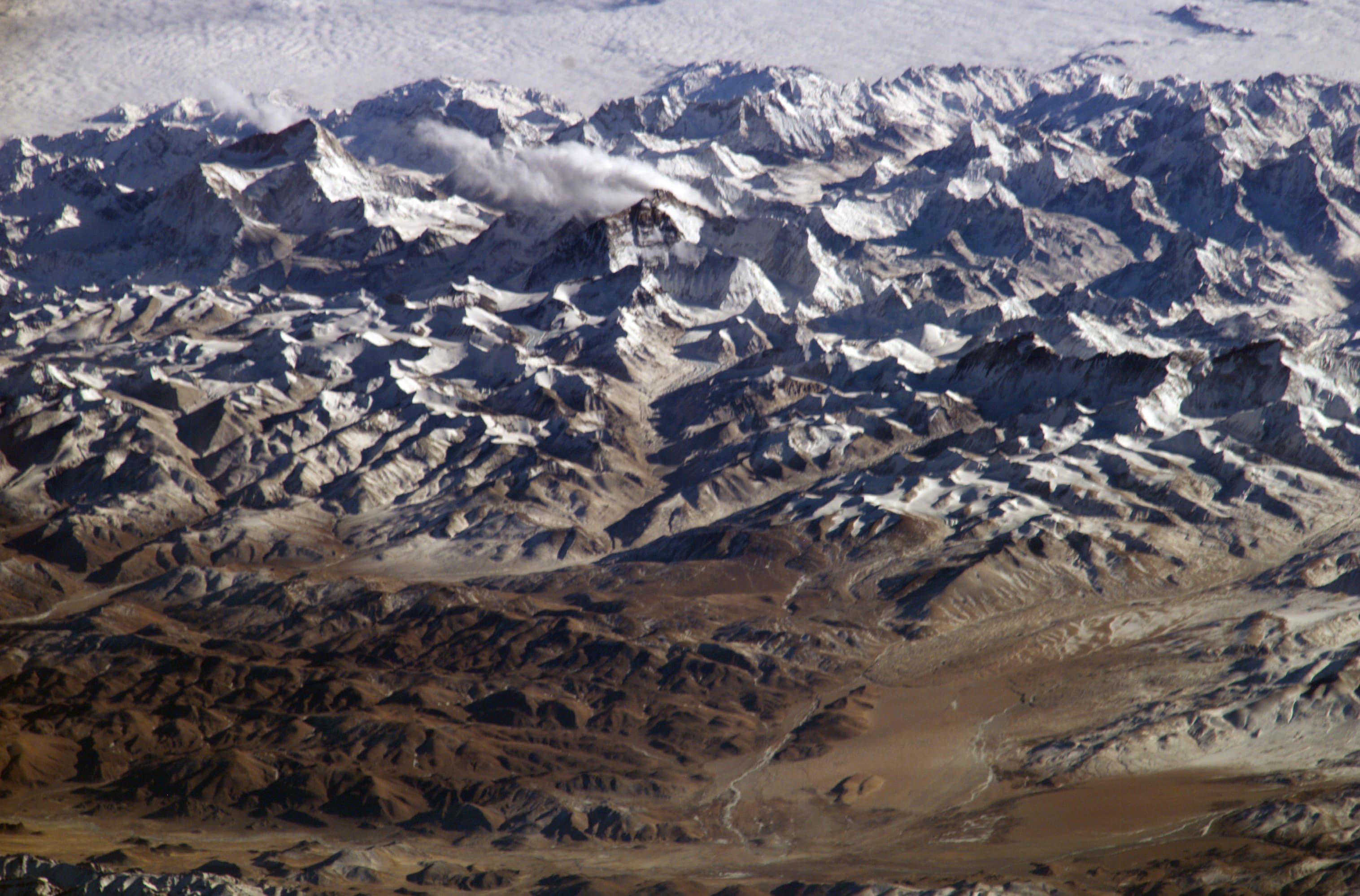
Indian reporting has pointed to two stretches as the most likely early cuts: the 220-kilometre Sikkim boundary, and the 545-kilometre Middle Sector through Himachal Pradesh and Uttarakhand. Those reports have not been confirmed in the joint text. The Line of Actual Control runs about 3,488 kilometres and is not mutually delineated. The two maps still disagree in several pockets.
Why the timing is not accidental
The talks closed days before India named 12-13 September for the BRICS summit in New Delhi and days before Prime Minister Narendra Modi leaves for Tashkent and the SCO gathering in Bishkek. A possible visit by Xi Jinping to India next month is still unconfirmed. If it happens, the eight-point note is the paper both sides can point to in the room.
Peace along the LAC has held better than in 2020-22, but patrols still meet. Extra hotlines and commander meeting points are practical. Delimitation is not. An expert group that has not yet written its own terms of reference cannot draw a line this autumn. The test of Thursday’s text is whether those terms exist by the time the Special Representatives meet again, and whether Sikkim or the Middle Sector is named in public when they do.