Chinese Humanoid Robot Runs 100 Metres in 9.39 Seconds, Faster Than Usain Bolt Record
Tiangong Ultra from the Beijing Humanoid Robot Innovation Center finished ahead of Honor’s Lightning at the World Humanoid Robot Games. Both machines posted times under the human world record of 9.58 seconds.

Beijing2 min read
Last updated
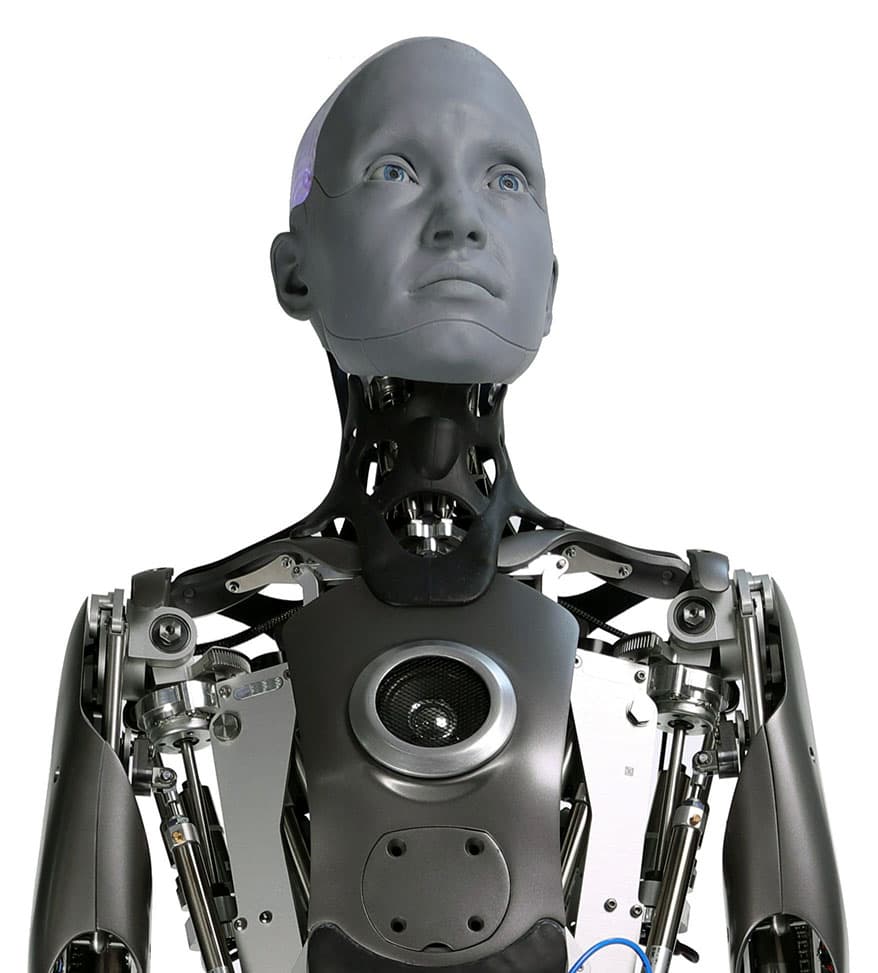
A Chinese humanoid robot named Tiangong Ultra completed the 100 metres in 9.39 seconds on 22 August 2026 during a preliminary heat at the World Humanoid Robot Games in Beijing. The time is faster than the human world record of 9.58 seconds set by Usain Bolt in 2009.
Tiangong Ultra, developed by the Beijing Humanoid Robot Innovation Center, overtook Honor’s Lightning near the finish line after trailing early. Lightning crossed in 9.47 seconds, also under the human mark. Organisers confirmed the results on the opening day of the second edition of the games.
Last year at the inaugural event, the same Tiangong Ultra model won the 100 metres in 21.50 seconds. The improvement of more than 12 seconds in one year shows the speed of progress in bipedal locomotion control, actuator power and balance algorithms.
More than 2,000 robots from 666 teams across 16 countries took part. The programme includes 51 events covering track, football, dance and industrial tasks. The games run through 26 August at Beijing’s National Speed Skating Oval.
In a preparatory test the same day, Lightning recorded 9.32 seconds and reached a peak speed of 14.5 metres per second. Lightning had earlier won a humanoid half-marathon in 50 minutes 26 seconds, a pace faster than the elite human male world-record equivalent.
China has treated humanoid robots as a strategic industrial priority. Companies and state-backed centres are racing to move the machines from demonstration platforms into factories, logistics centres and service roles. The United States banned imports of Chinese humanoid robots in July, citing national-security concerns.
The times recorded in Beijing do not transfer directly to outdoor or variable conditions. The track is controlled, the robots are optimised for straight-line sprinting, and energy systems are still limited. Yet the gap between human and machine performance in this narrow task has closed faster than most public forecasts expected.
Engineers at the Beijing centre have lengthened leg segments and refined joint torque profiles since the previous games. Honor researchers made similar mechanical changes to Lightning. Both teams rely on high-frequency vision and inertial sensing to keep the torso upright while the legs cycle at rates that exceed human stride frequency.
The practical next step is durability. A robot that can sprint once under ideal conditions still needs to walk for hours, recover from falls and operate in unstructured environments before it becomes useful outside the arena. The games provide a public benchmark that forces incremental gains into the open.
Further heats and the final will show whether the 9.3-second range can be repeated or improved. For now, two Chinese machines have posted times that no human has matched.
Continue reading
 News
NewsCategory 4 Hurricane Simon Parallels Mexico's Pacific Coast with Heavy Rain and Wind Threats
Almanaque Digital DeskManzanillo, Mexico
- News
PM Modi Inaugurates Rs 13,000 Crore Projects in Tamil Nadu, Rides Metro with CM Vijay
Almanaque Digital DeskChennai
- News
IndiGo Delhi-Chennai Flight Diverts to Hyderabad After Smoke from Passenger Device