CENTCOM says Hormuz shipping lanes are clear of Iranian mines
Adm. Brad Cooper said Navy divers, SEALs and aircraft cleared the traffic separation scheme. US forces have escorted nearly 1,500 commercial ships carrying about 750 million barrels. Iran has exported no oil since the mid-July blockade resumed.

Tampa3 min read
Last updated
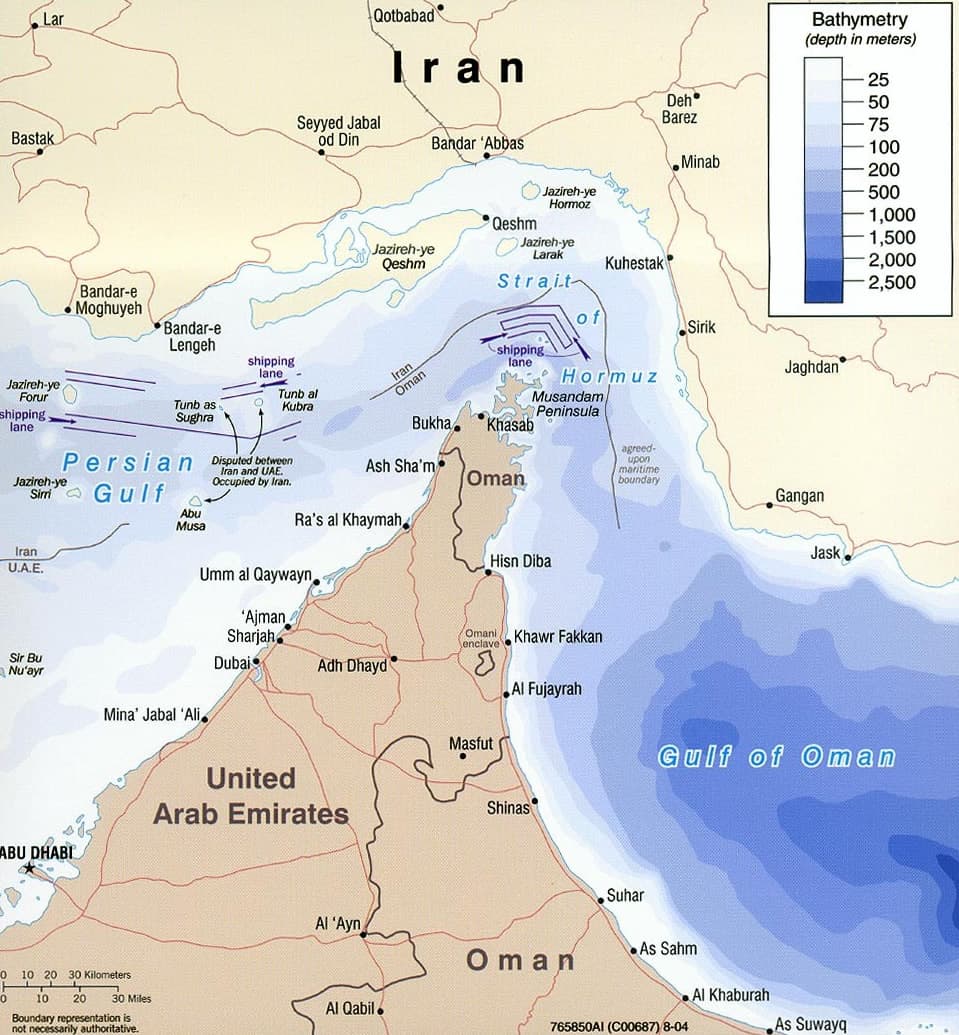
Admiral Brad Cooper, the head of US Central Command, said in a video released Thursday night that American forces have cleared Iranian sea mines from the internationally recognised shipping lanes in the Strait of Hormuz. He said the work was done over several months by Navy divers, SEALs and aircraft from the Army, Navy, Air Force and Marine Corps.
"We have successfully cleared sea mines in the Strait's international shipping lanes that were laid months ago by Iran's Islamic Revolutionary Guard Corps," Cooper said. "Internationally recognized transit routes in the Strait are free of Iranian sea mines." He called the conditions challenging and dangerous and said the lanes are now open and that momentum is building.
The statement is an operational claim about the traffic separation scheme, the marked lanes through which tankers are supposed to pass. It is not a claim that every cove, anchorage or Iranian coastal water is free of ordnance. Allies had questioned earlier political statements that the waterway was safe. Cooper's video is the first time the theatre commander has put a date on a completed clearance of the lanes themselves.
CENTCOM also released traffic figures. US forces have helped nearly 1,500 commercial vessels transit under coordinated protection, Cooper said, carrying almost 750 million barrels of crude to global markets. Since the naval blockade of Iranian ports resumed in mid-July, he said Iran has exported no oil from its own shores. About 75 vessels that tried to break the blockade were turned around. Three that refused orders were disabled.
The commercial picture on the water still looks thin. Kpler data reported by Reuters showed five commodity vessels transiting on Thursday, down from 17 the day before and below a ten-day average of about 15. Ten ships went through on Wednesday. Before the war that began on 28 February, more than 20 million barrels a day moved through the strait. Recent public estimates have put current oil flow near 5 million barrels a day. US retail gasoline averaged about $4.10 a gallon on Thursday, against about $3.21 a year earlier, according to AAA.
Qatar's prime minister was in Tehran this week with a proposal for a temporary Iranian-Omani corridor and a joint mine-clearance project. That diplomatic track and Cooper's announcement can sit side by side. One is a US military statement about lanes already under American escort. The other is a Gulf attempt to write rules that Iran would accept. Treasury Secretary Scott Bessent this week also warned countries to cut financial ties with Iran or risk losing access to the dollar system.
Shipowners will treat Cooper's video as one input, not a green light. War-risk premiums, insurance clauses and the presence of escorts still decide whether a tanker sails. The 1,500 escorted transits are a large number and a reminder that almost every barrel that has left the Gulf since late winter has moved under armed cover. If the lanes stay clear, the constraint shifts from mines to the blockade, to remaining Iranian anti-ship weapons, and to how many owners are willing to send hulls into a war zone that is six months old.
The next test is simple and public. Either daily transit counts rise from the mid-teens toward the pre-war rhythm, or they do not. Cooper has given the market a military assurance about one hazard. The price of diesel in Europe and petrol in the United States will record whether that assurance is enough.
Continue reading
 News
NewsFlores quake toll reaches 111, the deadliest in Indonesia since 2022
Almanaque Digital DeskRuteng
- News
Hyundai and its union reach a wage deal after the first full-day strike in a decade
Almanaque Digital DeskUlsan
- News
Penguin India drops Sonia Gandhi’s memoir after she refused cuts
Almanaque Digital Desk