CBI searches 89 sites in 20 states over ₹42.36 crore digital-arrest cases
Operation Chakra-VI targeted money trails in three cases from BITS Pilani, Gujarat and Karnataka. Three people were arrested for receiving and moving the proceeds. The victims had been held on video calls for up to three months.

New Delhi3 min read
Last updated
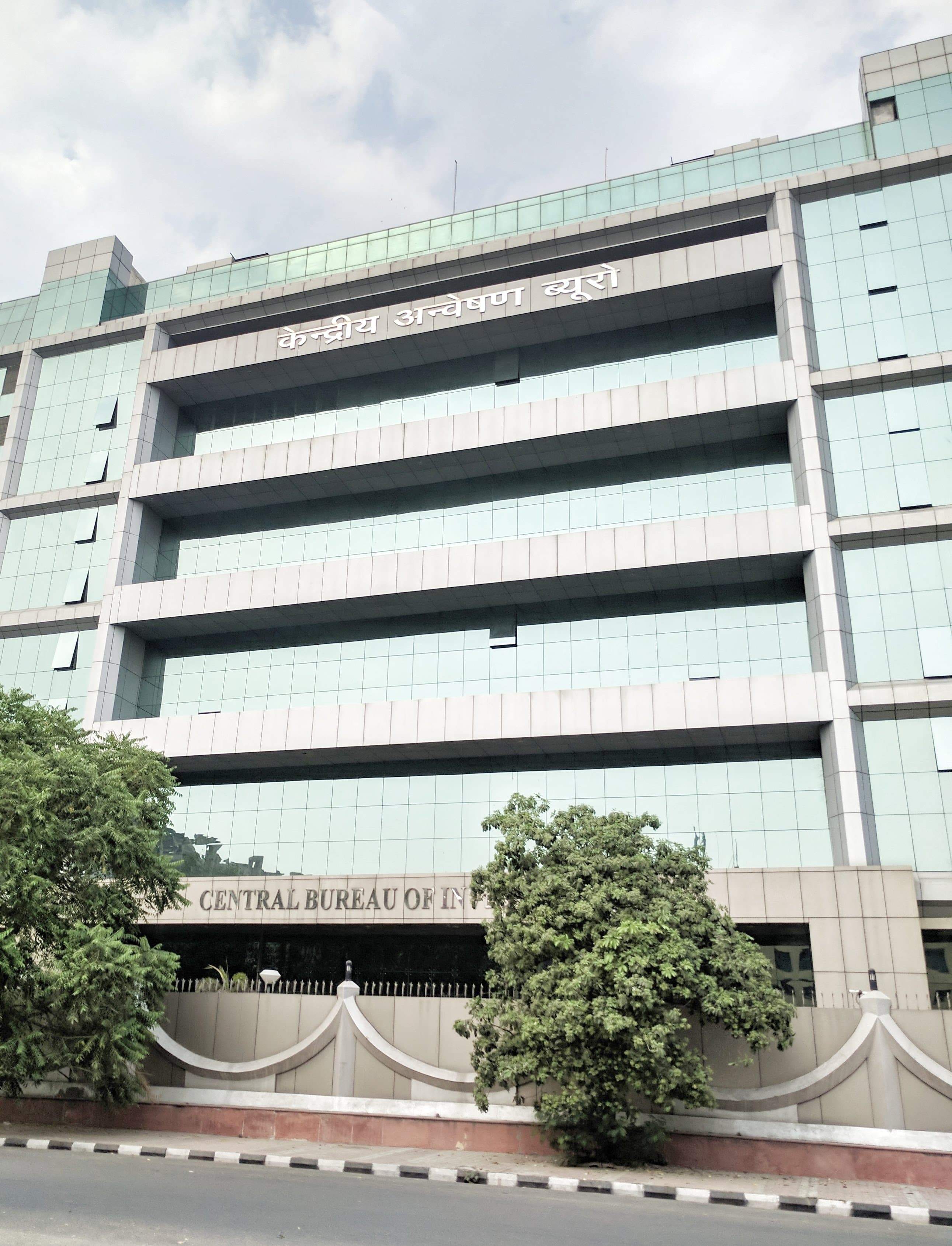
The Central Bureau of Investigation searched 89 locations in 20 states on 4 September and arrested three people linked to three digital-arrest frauds that together extracted Rs 42.36 crore. The raids sit inside Operation Chakra-VI, the agency's current programme against organised cybercrime syndicates.
The three files had been transferred from state police. In each, callers posing as police officers kept a victim on a video line for weeks, forbade contact with family, and extracted transfers described as bail, verification deposits or asset audits.
Three files, three months of coercion
One case is tied to BITS Pilani. The victim was held on the line for three months and paid Rs 7.67 crore to people claiming to be police officers. The CBI statement does not name the victim or describe their role at the institute.
A second case from Gujarat followed the same script for three months and cost the victim Rs 19.24 crore, the largest single loss in this batch. A third file from Karnataka ran for one month and extracted Rs 15.45 crore.
Those three sums add to Rs 42.36 crore, about $4.5 million at current rates. That is the amount the CBI is now trying to follow through bank ledgers and device logs rather than through the original phone numbers, which are usually discarded.
Who was arrested
The three people taken into custody were named as money movers, not as the voices on the calls.
Akash, a resident of Haryana, received Rs 1.95 crore into an account he opened himself and moved the money on the same day. Raja Karmakar of Kolkata received Rs 1.5 crore into a firm account. Jyoti Rani, also linked to Kolkata in the agency note, took a portion of the proceeds, withdrew part in cash and sent the rest onward.
The CBI said their questioning during the searches showed specific roles in receiving, layering and dispersing the money. Banking records, account papers and digital devices were seized for forensic work.
How the method works
A digital arrest is not a legal process. It is a sustained video call. The caller displays a badge, a court seal or a central-agency letterhead on screen, alleges a crime, and tells the victim that leaving the call, speaking to relatives or visiting a real police station will worsen the case. Transfers are framed as temporary deposits that will be returned after an audit.
The duration in these files, one to three months, is the detail that separates them from one-off phishing. The victim is isolated long enough for multiple accounts to be used and for the money to be split before anyone outside the household notices.
The agency said the 89 searches were planned from financial and technical analysis, including bank-account histories and records of who accessed those accounts online. The aim, it said, was to reach beneficiaries and handlers before records disappeared.
Why the geography matters
Twenty states in a single day is a statement about how the money moves, not about where the original callers sit. The callers are often outside India. The accounts that receive the first rupees are often inside it. Those first accounts then feed a second and third layer in other cities.
That is why a Haryana account and two Kolkata accounts appear in files that began with victims in Rajasthan-linked BITS Pilani reporting, Gujarat and Karnataka. The CBI is treating the laundering layer as the part of the chain it can still touch.
Operation Chakra is now in its sixth numbered phase. Earlier phases produced arrests and account freezes in other cyber fraud clusters. This week's action is narrower: three already-registered cases, a mapped money trail, and a simultaneous search list built from that map.
What is still missing
The CBI has not said how much of the Rs 42.36 crore it has frozen. It has not identified the people who ran the video calls. It has not said whether the three arrested accounts were the first hop or a later hop in the chain.
Those gaps will decide whether Chakra-VI is remembered as a money-trail case or as another set of mule-account arrests. For now the public record is this: 89 addresses, 20 states, three named receivers, and three victims who paid because they believed a police officer was watching them through a phone.
State police will keep seeing the same script. The federal agency's wager is that the script can be broken at the ledger rather than at the SIM card.
Continue reading
 Politics
Maharashtra leads September GST at 29,986 crore as Manipur posts a 145 percent rise
Almanaque Digital DeskMumbai
- News
Machchhar tells Modi he opened the FZ1073 door while the blows were still landing
Almanaque Digital DeskNew Delhi
- News
Seven devotees die on the Samruddhi Mahamarg near Dhamangaon
Almanaque Digital Desk