Canada sets September 8 for retaliatory tariffs after US duties take effect
Prime Minister Mark Carney confirmed dollar-for-dollar counter-tariffs on US steel, dairy, appliances and other goods after Washington imposed 50% levies on roughly $20 billion of Canadian exports. Talks collapsed on Friday night.
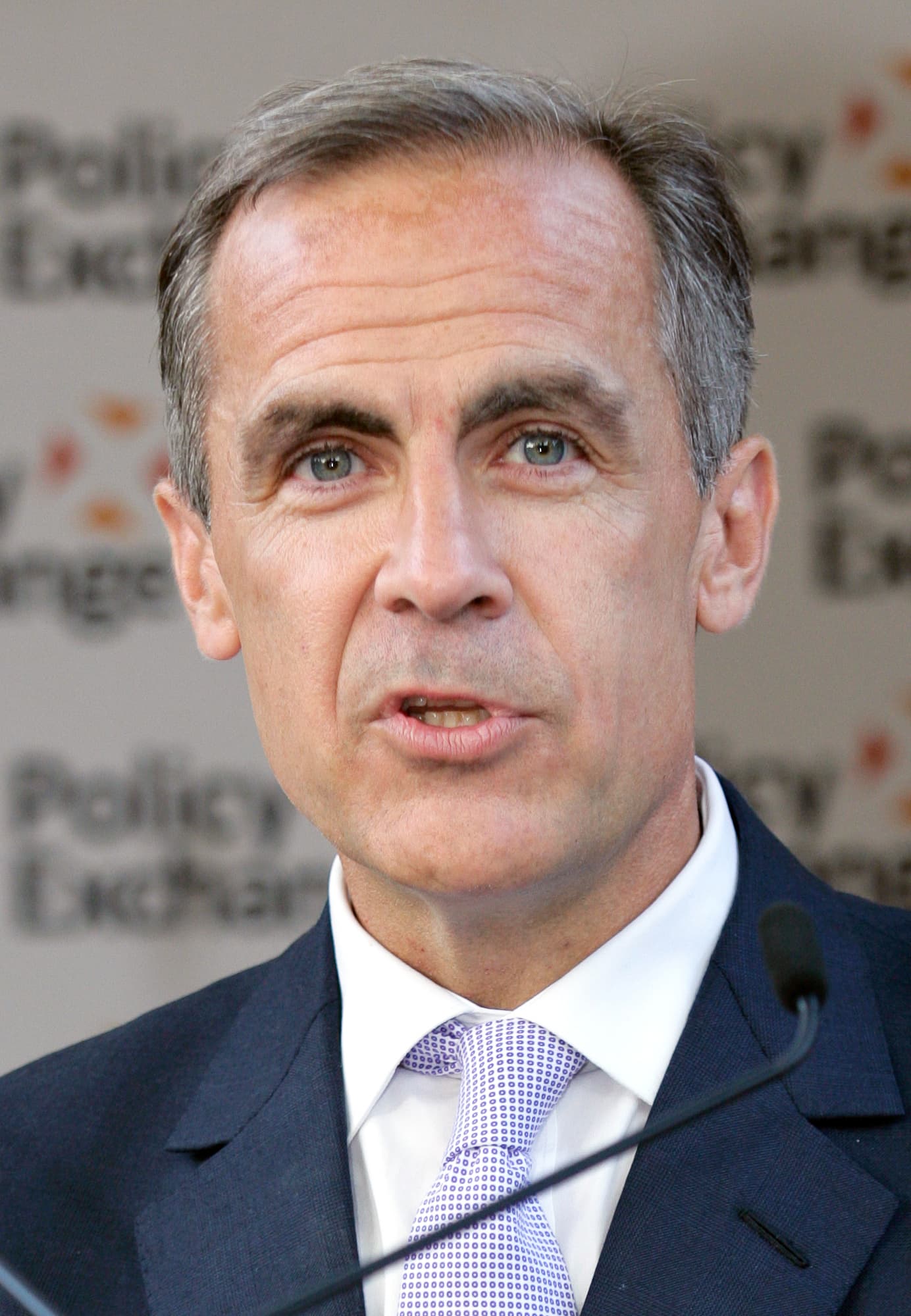

Ottawa1 min read
Last updated
Canada will impose retaliatory tariffs matching the new United States duties dollar for dollar, starting 8 September, Prime Minister Mark Carney confirmed.
The US measures, set at 50%, took effect early on 22 August after three days of intensive talks ended without a deal. They cover about $20 billion in Canadian goods, roughly 5% of Canada’s annual exports to the United States, and include items ranging from steel and dairy products to hockey equipment and wine.
Carney said Ottawa would target US steel, dairy, appliances, agricultural equipment, pulp and paper, and electronics. Full details of the Canadian list were to be released in the coming days.
“We take this step reluctantly,” Carney told reporters in Ottawa. He described the last-minute US terms as uneconomic and unfair, saying they undermined the net benefits for Canada and called into question the reliability of any agreement. “They asked too much and offered too little.”
US Trade Representative Jamieson Greer said no further talks were scheduled. The tariffs were imposed under a Depression-era provision of the Tariff Act of 1930 and do not apply to goods covered by the US-Mexico-Canada Agreement.
President Donald Trump later threatened to raise duties on Canadian vehicles, auto parts and steel to 50% from 1 January 2027. Ontario Premier Doug Ford called Trump a bully and said the province was prepared to endure economic pressure rather than concede.
The breakdown follows a year of friction. Canada had previously imposed its own retaliatory measures, including restrictions on US alcohol sales in several provinces. Both sides had appeared close to a deal earlier in the week that would have reduced tariffs on steel, aluminium and cars, but the agreement fell apart late on Friday.
Trade between the two countries remains one of the largest bilateral relationships in the world. Officials on both sides acknowledge that the current dispute raises costs for businesses and consumers and complicates efforts to renew the broader North American trade framework.
Continue reading
 Geopolitics
EU Imports Record 12.18 Million Tonnes of Russian Arctic LNG Worth €7.88 Billion
Almanaque Digital DeskBrussels
- News
Landslide-Triggered Flood Sweeps Houses and Bridges on Nepal’s Budhi Gandaki
Almanaque Digital DeskGorkha, Nepal
- News
RSF Drone Strike Kills at Least 30 Near Displacement Camp in Sudan’s Blue Nile